Medication Safety: Straightforward Tips to Keep Your Drugs Working Right
Taking a pill shouldn’t feel like a gamble. Whether it’s a prescription for blood pressure, an over‑the‑counter pain reliever, or a supplement you bought online, a few simple habits can stop mix‑ups, side‑effects, and wasted money.
Know What You’re Taking
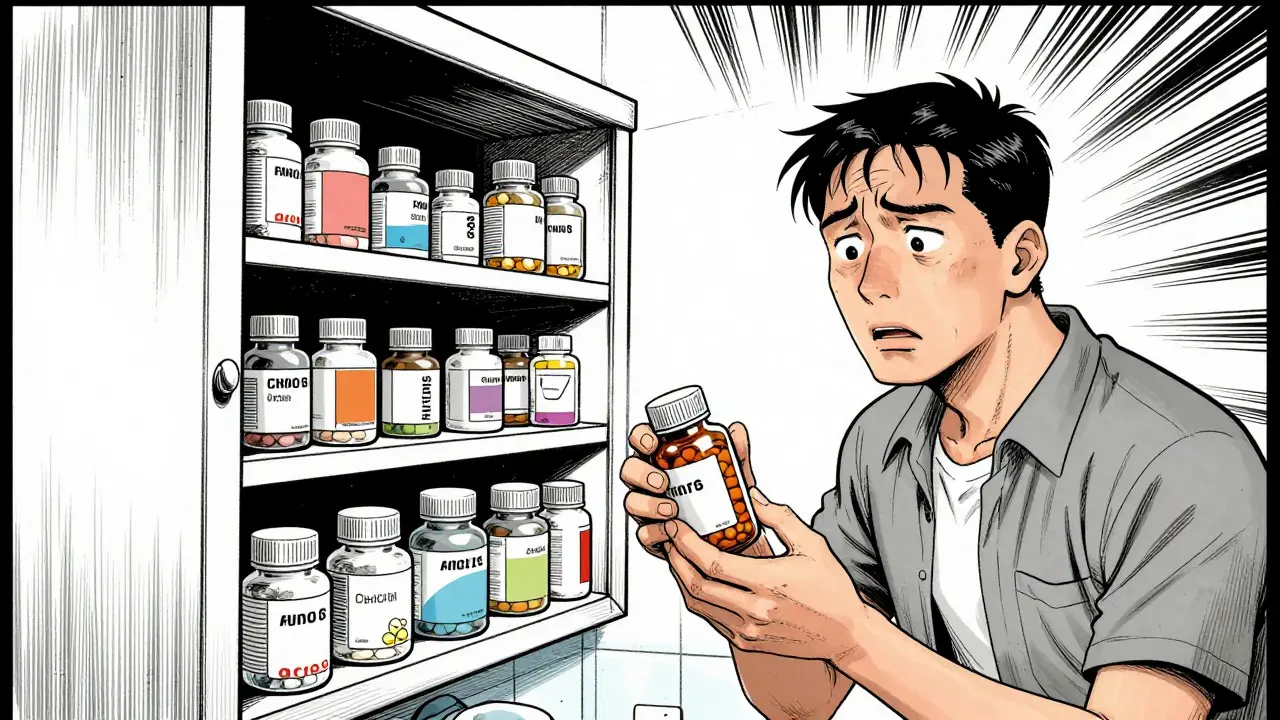
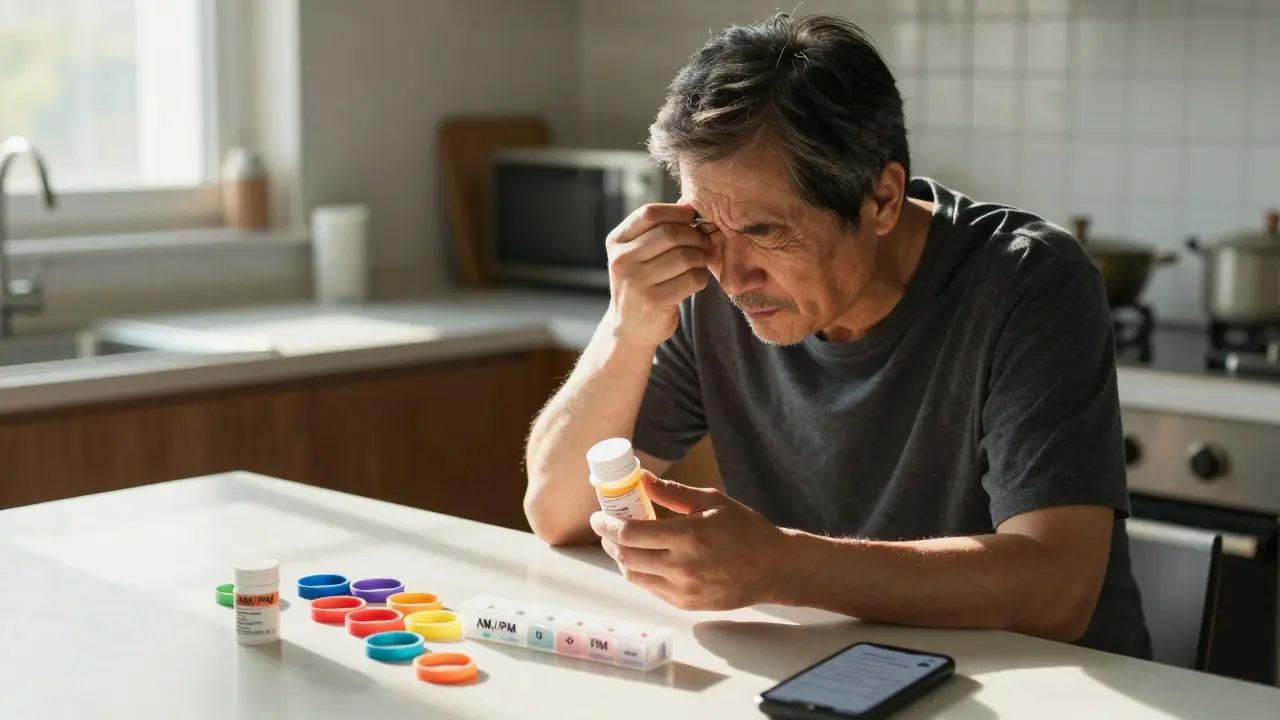
First thing: write down every medication, including dose, timing, and why you’re on it. A small notebook or a phone app works. When you have the list in front of you, you can spot duplicate ingredients (like two drugs that both contain acetaminophen) before they cause trouble.
Read the label, not just the bottle. Look for warnings about food, alcohol, or other meds. If a warning seems unclear, ask your pharmacist – they’re the fastest source for a quick clarification.
Store Drugs the Right Way
Heat, moisture, and light can ruin many meds. Keep everything in a cool, dry place away from the bathroom sink. A kitchen cabinet works better than a shower shelf. Child‑proof the area if kids are around.
Check expiration dates every few months. Some drugs lose potency, while others become risky after they expire. If a medication looks discolored or smells odd, discard it safely – many pharmacies offer take‑back programs.
When you travel, pack meds in your carry‑on. TSA screens them easily, and you avoid temperature swings in the cargo hold. A small zip‑lock bag with a copy of your prescription list is a handy travel companion.
Spot Red Flags Before You Take a Dose
Feeling dizzy, nauseous, or unusually sleepy after a new drug? Note the timing. If symptoms start within an hour of the dose, it could be a side‑effect or an interaction. Write it down and call your doctor or pharmacist.
Never double up if you miss a dose unless the label says to do so. Most meds advise “take the missed dose as soon as you remember, then continue as scheduled,” but taking two at once can overload your system.
Watch for pharmacy errors. The name on the label should match your prescription exactly. If the pill’s shape or color looks different from what you usually get, double‑check with the pharmacy before swallowing.
Buying Meds Online? Keep It Safe
Only order from sites that require a prescription and are verified by a pharmacy board. Look for clear contact info, a physical address, and a pharmacist’s name. If a site offers “no prescription needed” for prescription‑only drugs, walk away.
Read reviews, but focus on red‑flag comments about delayed shipping, incorrect meds, or lack of customer service. A legit pharmacy will have transparent pricing and will never ask for payment via gift cards or crypto.
When the package arrives, inspect it immediately. The label should match your order, and the medication should be sealed. Any sign of tampering means you should contact the pharmacy right away and avoid taking the drug.
When in Doubt, Talk to a Professional
A quick call to your pharmacist can clear up dosage questions, interactions, or storage concerns. Doctors appreciate patients who are proactive about safety – it shows you’re engaged in your own health.
Remember, medication safety isn’t a one‑time task. It’s a habit you build each day. By knowing what you take, storing it right, watching for warning signs, and choosing reputable sources, you make sure every pill does its job without unwanted surprises.