

Imagine you're in a foreign city, perhaps strolling through a market in Tokyo or visiting family in Mexico City, and suddenly you have a medical emergency. You're rushed to the hospital, but there's a problem: you can't explain what medications you're taking or what allergies you have. This isn't just a stressful scenario; it's a dangerous one. Language barriers can increase medication errors by 50% and adverse drug events by 35% among people with limited English proficiency. When every second counts, a travel medications list translated into the local language can be the difference between a quick recovery and a fatal mistake.
Quick Summary
- Carry a physical and digital list of all medications, dosages, and allergies in both English and the local language.
- Use standardized tools like the Universal Medication List (UML) or apps like NPS MedicineWise.
- Include generic names of drugs, as brand names vary by country.
- Update your list after every doctor's visit or prescription change.
- Include a "emergency phrase" section to help first responders quickly identify your needs.
Why a Multilingual List is a Life-Saver
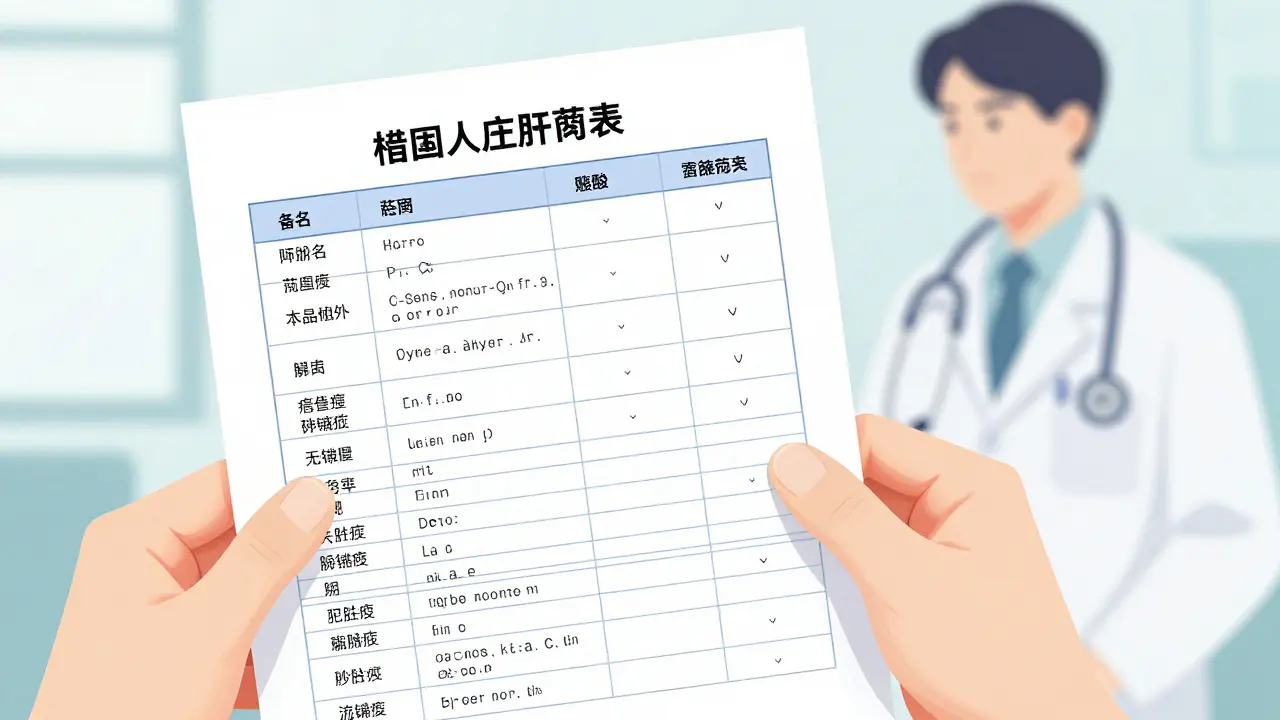
In a crisis, your brain often freezes, and your ability to speak a second language drops significantly. Even if you're conversational, medical terminology is complex. A Multilingual Medication List is a documented record of a patient's current prescriptions, dosages, and medical allergies translated into multiple languages to ensure safe care during emergency encounters . It removes the guesswork for doctors and nurses.
Research shows that these lists aren't just "nice to have." They can reduce the time a patient spends in the emergency department by an average of 22 minutes. That might not sound like much, but in a time-sensitive emergency-like a stroke or severe allergic reaction-those minutes are critical. By providing a clear, written record, you eliminate the need for untrained interpreters, who are often used in a pinch but are prone to high error rates.
Essential Elements Your List Must Include
A simple list of drug names isn't enough. To be truly useful for a healthcare provider, your list needs specific attributes. If you're building your own, ensure every entry includes these five data points:
- Generic Name: Brand names (like Tylenol) change across borders, but generic names (like Acetaminophen) are recognized globally by medical professionals.
- Dosage: Exactly how much you take (e.g., 20mg, 500mg).
- Frequency: How often you take it (e.g., twice daily, every 8 hours).
- Purpose: What the drug is for (e.g., blood pressure, diabetes). This helps doctors verify the medication if the name is unfamiliar.
- Prescribing Physician: Contact info for your primary doctor back home.
Don't forget a prominent section for Allergies. Mentioning a penicillin allergy in a language the doctor understands can prevent a life-threatening reaction before a drug is even administered.
Top Tools and Resources for Translation
You don't have to start from scratch. Several organizations provide standardized frameworks to help you organize your health data. Depending on where you are going and your technical comfort, different tools will work better.
| Resource | Best For | Format | Language Coverage |
|---|---|---|---|
| Universal Medication List (UML) | Standardized medical records | Printable PDF | 10 Languages |
| NPS MedicineWise | Digital tracking & reminders | Mobile App | 11 Languages |
| MedlinePlus | General drug safety info | Web-based | 40+ Languages |
| British Red Cross Phrasebook | First-contact emergencies | Printed booklet | 36 Languages |
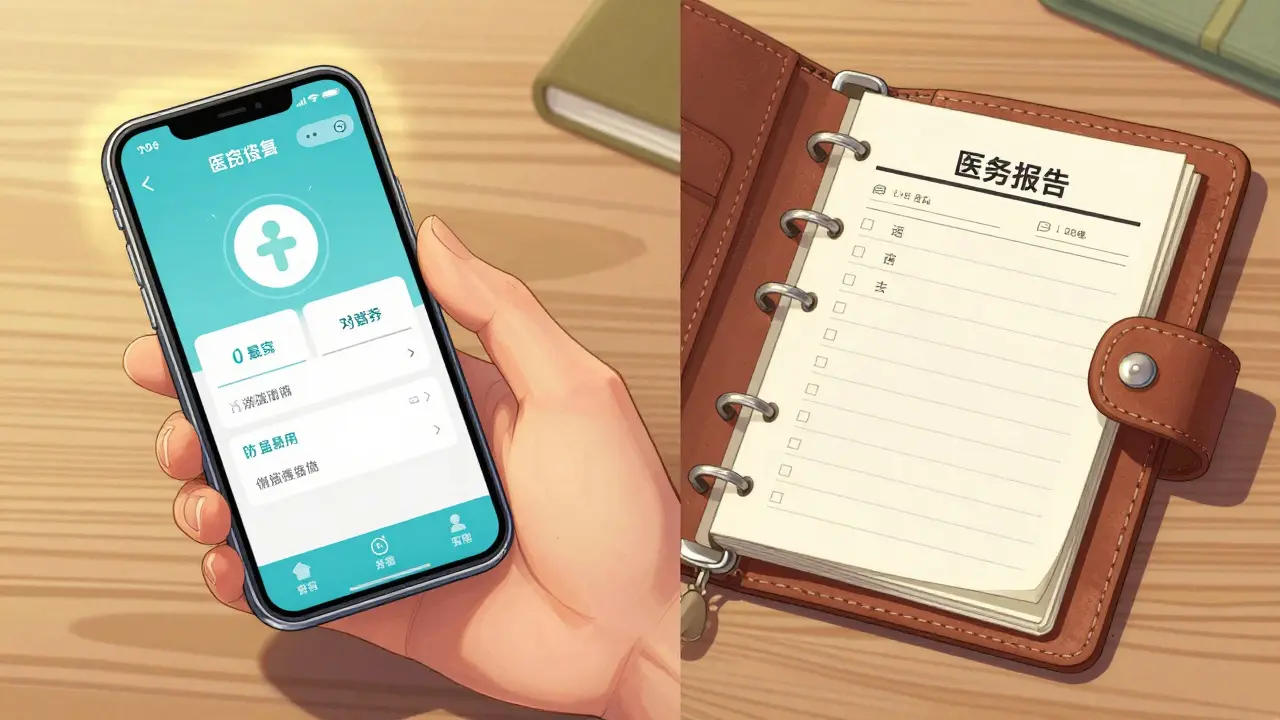
If you prefer a digital approach, the NPS MedicineWise app provides an excellent way to track doses and maintain a multilingual record on your phone. However, keep in mind that if your phone dies or you lose it, a digital list is useless. Always carry a physical backup in your wallet or medical alert bracelet.
Step-by-Step: How to Create Your Emergency List
Creating your list should be a proactive process, not something you do the night before your flight. Follow these steps to ensure your documentation is airtight:
- Audit Your Cabinet: List every prescription, over-the-counter drug, and herbal supplement you take. Many people forget herbal teas or vitamins, but these can interact dangerously with emergency medications.
- Get Professional Translation: While AI tools are improving, medical translation requires precision. Use resources like MedlinePlus or consult your pharmacist to ensure the terminology is culturally and medically accurate.
- Verify with a "Teach-Back": If you have a translation, show it to a fluent speaker or a medical professional and ask them to explain what it says back to you. This ensures the translation didn't miss a nuance in dosage or frequency.
- Create Redundancy: Print two copies. Keep one in your travel documents and one in your carry-on bag. Take a photo of the list and set it as a "Favorite" in your phone gallery for instant access.
- Update Regularly: Make it a habit to refresh your list every time you have a checkup or change a dose. A list from three years ago can be more dangerous than no list at all.
Common Pitfalls to Avoid
Even with a list, things can go wrong. One major issue is the use of medical jargon that doesn't translate well across cultures. Some translations use terms that aren't common in certain regions, which can confuse doctors. To avoid this, stick to the generic chemical name of the drug.
Another mistake is relying solely on a translation app. Apps can glitch, lose signal, or misinterpret a complex medical phrase. A physical piece of paper never runs out of battery. Also, remember that cultural concepts of illness vary. In some regions, doctors may be more familiar with traditional medicines, so clearly distinguishing between "pharmaceuticals" and "herbal supplements" is vital.
Should I include vitamins and herbal supplements on my list?
Yes, absolutely. Many herbal supplements can cause severe interactions with emergency medications or affect how you react to anesthesia. For example, some supplements can thin your blood, which is critical information for a surgeon in an emergency.
What if I can't find a translation for my specific dialect?
If a specific dialect (like Cantonese vs. Mandarin) isn't available, use the most widely accepted standard version of that language. Additionally, include the generic chemical name of the drug in English; medical professionals worldwide are trained to recognize these standardized terms.
How do I know if the translation is accurate?
The best way is to use verified resources like the Tennessee Pharmacists Association's UML or MedlinePlus. If you create your own, have it reviewed by a pharmacist or a certified medical translator rather than relying solely on free online translation tools.
Is a digital list enough for an emergency?
No. While apps like NPS MedicineWise are helpful for organization, a physical copy is essential. Phones can be lost, stolen, or run out of battery, and first responders may not have time to unlock your phone to find a document.
Where is the best place to keep my list while traveling?
Keep one copy in your wallet or passport holder, one in your medication bag, and one digital copy on your phone. You might also consider a medical ID bracelet that points to the location of your full list.
Next Steps for Travelers
If you're planning a trip soon, start by visiting MedlinePlus to see if your medications have existing safety materials in your target language. If you're managing a complex chronic condition, schedule a brief appointment with your pharmacist to help you build a professional-grade Universal Medication List. For those who are tech-savvy, downloading a tracking app can help you stay on top of your doses while navigating different time zones, but remember: paper is the ultimate backup.
13 Comments
Generic names are definitely the way to go. I've seen so many people struggle because they only have the brand name and it's totally different in Europe or Asia. Pro tip: also keep a photo of the actual pill bottles or blister packs in a folder on your phone just in case the translation is weird.
Such a thoughtful approach to travel safety! 🌟 It's all about creating a bridge of understanding when we're most vulnerable. Love the idea of the redundancy too 📚✨
The systemic failure of global pharmacopeia standardization is precisely why these rudimentary lists are necessary, though the intellectual laziness of relying on a PDF is staggering. We are essentially operating within a fragmented semiotic framework where the signifier (brand name) fails to map to the signified (chemical compound) across geopolitical boundaries. It's a textbook example of linguistic relativity hindering clinical efficacy in high-acuity environments. Honestly, the cognitive load required to manage this manually is a testament to the inefficiency of our current international health infrastructure.
It's interesting how we only think about these things when we're leaving our comfort zone. We assume the world speaks our medical language, but the real lesson here is humility in the face of a global community.
People still use phrasebooks in 2024? Give me a break. Just use a decent AI translator and a cloud backup. This whole "paper is king" thing is just fear-mongering for people who can't manage a power bank.
The pharmacological implications of omitting herbal supplements are significant, particularly regarding cytochrome P450 enzyme interactions which can alter the bioavailability of emergency medications.
Oh please! This is absolutely overkill! 🙄 Imagine the sheer panic of someone trying to find a piece of paper in their wallet while they're supposedly "dying." It's just so dramatic to suggest a few minutes of delay is a death sentence!
totally agree on the paper backup 📝 keeps things simple 😌
It is a moral imperative to be this prepared. Only a complete clown would fly across the ocean without a generic list of their meds. If you end up as a burden on a foreign healthcare system because you were too lazy to print a sheet of paper, that's on you and your sheer incompetence.
Why do we need all this fancy stuff anyway? Just tell them what u need. US doctors are the best in the world and any real doctor overseas knows what we use. This is just more red tape junk!
The advice regarding generic names is very practical. It ensures there is no confusion between providers.
Makes you wonder why we don't have a global health ID. We're so connected digitally, yet the most critical data for our survival is still handled like it's 1950. It's a weird paradox of the modern age where we can stream 4K video from a beach in Bali but can't tell a doctor we're allergic to penicillin without a piece of paper.
I've tried to tell people this for years and they just laugh it off until they're in a panic in a foreign ER. It's honestly exhausting watching people gamble with their lives over something that takes ten minutes to print. I'm just trying to help you all not die in a gutter in Tokyo, but sure, keep ignoring the obvious.
Write a comment