
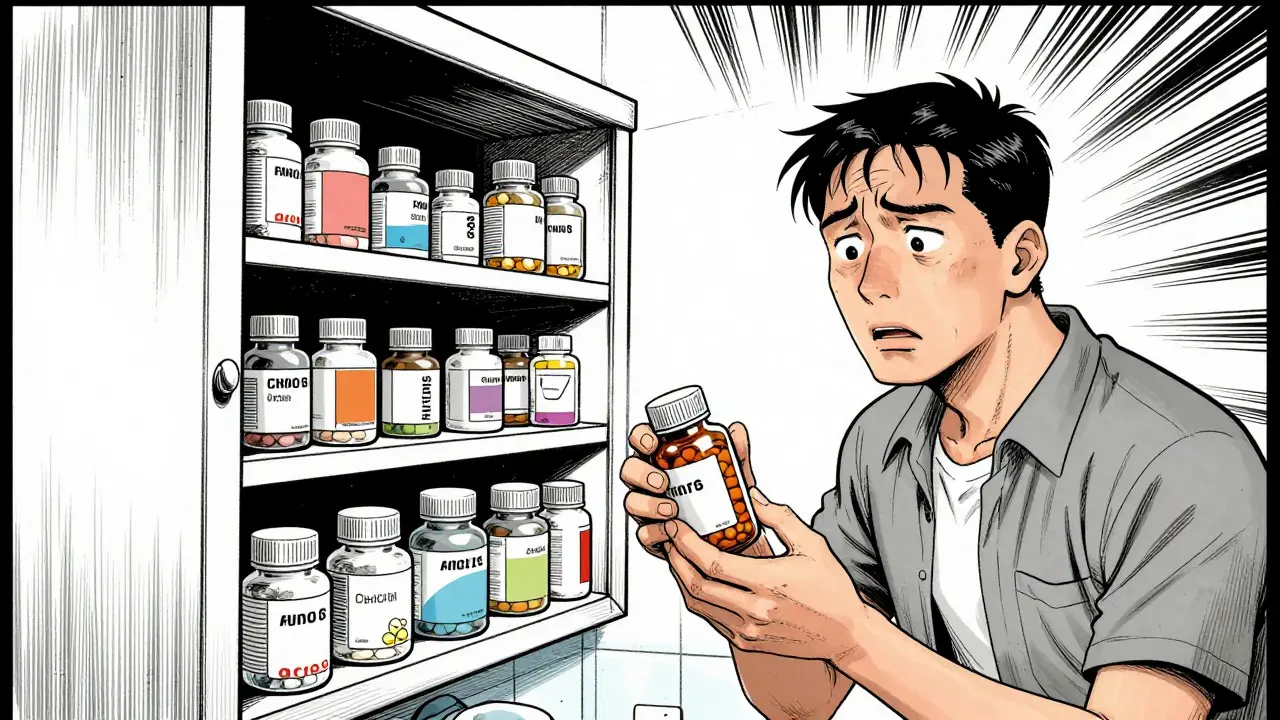
Missing a dose or taking the wrong pill isn't just an inconvenience; it is a major health risk. According to the CDC, medication errors contribute to up to 41% of hospital admissions and account for roughly $50 billion in annual healthcare costs. For older adults managing multiple prescriptions, the margin for error shrinks every day. You don't need a pharmacy degree to fix this, but you do need a system that removes guesswork from your daily routine.
Setting up a no-mistake medication safety system at home means combining simple habits with the right technology. It’s about creating a fail-safe environment where confusion has nowhere to hide. Whether you are caring for yourself or a loved one, the goal is clear: keep everyone safe, avoid expensive hospital trips, and maintain independence.
The Foundation: A Complete Medication Inventory
Before buying any gadgets, you need to know exactly what is in the cabinet. Dr. Jennifer Gunter, a CDC medication safety advisor, calls keeping an accurate medication list the single most important step patients can take. This isn't just about prescription bottles. It includes over-the-counter pain relievers, vitamins, herbal supplements, and even topical creams.
Start by gathering every container into one place. Check expiration dates and toss anything old. Write down the name, dosage, frequency, and purpose of each item. If you are unsure why a medication was prescribed, call the doctor or pharmacist-never assume. A complete inventory takes about 20 to 30 minutes but prevents dangerous interactions later. For example, mixing certain blood thinners with common supplements like ginkgo biloba can be life-threatening. Knowing what you have is the first line of defense.
- Prescriptions: Current dosages and refill schedules.
- Over-the-Counter (OTC): Painkillers, antacids, allergy meds.
- Supplements: Vitamins, minerals, herbal remedies.
- Topicals: Creams, patches, eye drops.
Choosing the Right Technology for Your Needs
Not all medication safety systems are created equal. The best choice depends on the complexity of the regimen and the user's tech comfort level. Basic solutions work for simple routines, while complex cases require smarter tools.
| System Type | Cost Range | Best For | Key Limitation |
|---|---|---|---|
| Basic Pill Organizer | $5 - $25 | Simple regimens (1-2 doses/day) | No reminders or tracking |
| Smart Dispenser (e.g., Hero) | $150 - $300 + monthly fees | Multiple daily doses, memory issues | Requires setup help; struggles with 'as-needed' meds |
| Digital Platform (e.g., HomeMeds) | Varies (often professional service) | Caregivers, clinical assessments | Requires staff training and smartphone use |
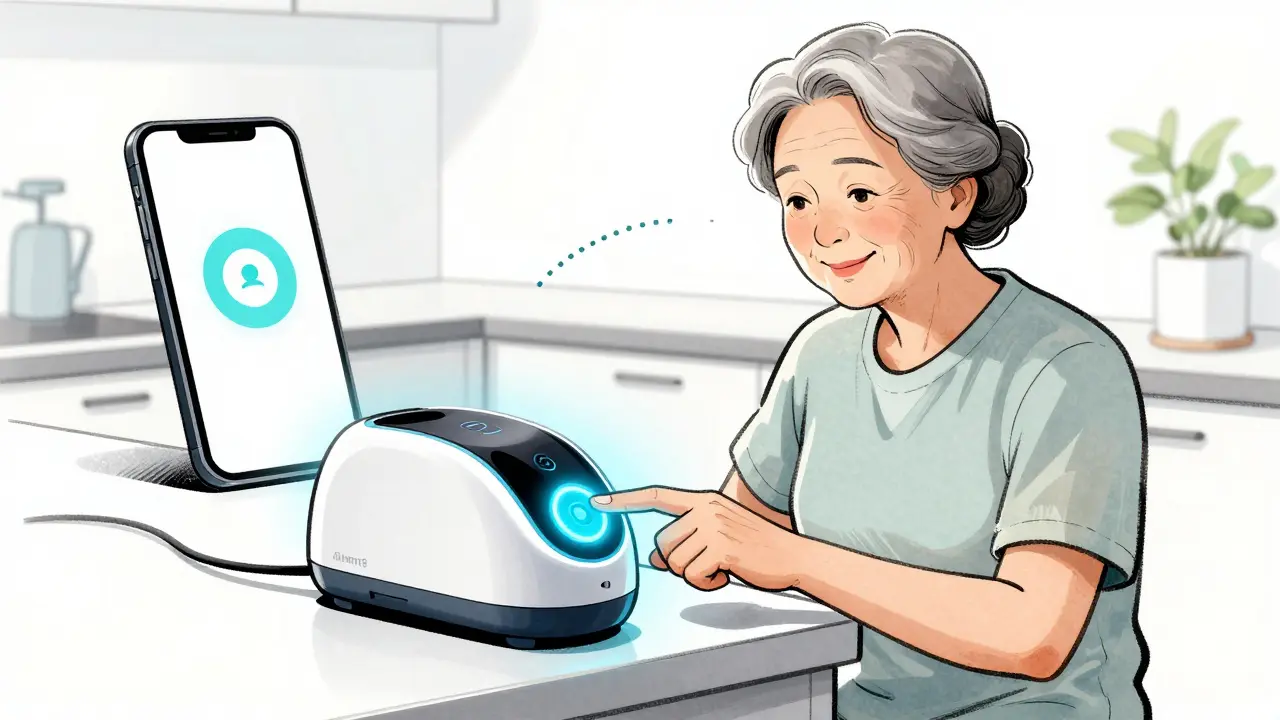
Smart pill dispensers are electronic devices that lock medications until the scheduled time, then release them with audio and visual alerts. These devices have shown adherence rates between 93% and 98% in NIH-funded studies. They are ideal for people who forget whether they took their morning pills. However, they cost more upfront and often require a monthly subscription for support or connectivity.
For caregivers, digital platforms like HomeMeds offer a different approach. Launched in 2024 by the Partners in Care Foundation, this tool helps professionals conduct faster, more accurate medication reviews using smartphone cameras to scan labels. While not a direct consumer product, it represents the shift toward data-driven safety checks that reduce assessment time by 50%.
Step-by-Step Setup for a Fail-Safe Routine
Technology alone won’t save you if the process is messy. Implementing a comprehensive system requires structure. Here is how to set it up correctly:
- Verify the List: Cross-check your physical inventory against the written list. Remove duplicates.
- Simplify the Regimen: Ask your doctor if doses can be consolidated. Reducing daily dose times by even one slot cuts error risks significantly.
- Select the Tool: Match the device to the user’s ability. If vision is poor, choose a dispenser with large buttons and loud alarms.
- Configure the Device: Load the pills carefully. Double-check each compartment. This initial setup takes 1-2 hours but ensures accuracy.
- Train the User: Spend 30-60 minutes showing how to open the device, acknowledge alerts, and handle errors. Involve family members in this step.
- Set Up Alerts: Connect the system to caregiver phones if possible. Real-time notifications allow quick intervention if a dose is missed.
The NIH study found that successful implementation hinges on five elements: verified lists, simplified regimens, appropriate tech, caregiver engagement, and regular follow-ups. Skipping any of these increases the chance of failure.
Common Pitfalls and How to Avoid Them
Even the best systems face challenges. Understanding these pitfalls helps you stay ahead of problems before they cause harm.
Medication Changes: When doctors adjust prescriptions, the system must be updated immediately. Delays here cause 37% of reported difficulties. Schedule a review with your pharmacist whenever a new med is added or an old one stopped. Update the dispenser or organizer within 24 hours.
As-Needed Medications: Most smart dispensers struggle with "PRN" (as needed) drugs like pain relievers. Keep these separate in a clearly labeled box next to the main system. Use a logbook to track usage so you don’t double-dose.
Technical Glitches: Wi-Fi drops or dead batteries can silence alerts. Test the backup battery weekly. Ensure the device is plugged in near a power source. If the internet goes down, many devices still dispense locally, but remote alerts will fail until connection resumes.
Visual Impairments: Forty-two percent of older adult users face usability issues due to vision loss. Choose devices with high-contrast screens and tactile feedback. Voice-activated options are emerging as a solution for this demographic.

The Human Element: Why Support Matters
Dr. Sarah Chen, a geriatric pharmacologist, warns that technology cannot replace human judgment. Patient education and regular reviews remain essential. A case study on AgingCare.com highlighted a 78-year-old who achieved 96% adherence with a smart dispenser but still needed weekly visits from a home health aide to manage changes.
Engage your care team. Share your medication list with your primary care physician, specialists, and pharmacist. Ask them to check for interactions during every visit. Family members should also be involved. In 76% of successful cases, caregivers played an active role in monitoring and troubleshooting.
Regular follow-ups every 30 to 90 days are crucial. Life changes-new diagnoses, moving homes, seasonal allergies-can disrupt your system. Proactive reviews catch issues before they lead to falls, confusion, or hospitalization.
Future Trends in Home Medication Safety
The field is evolving rapidly. By Fall 2025, AI-enhanced versions of platforms like HomeMeds will promise even faster assessments and higher accuracy. Johns Hopkins is developing voice-activated dispensers for visually impaired users, funded by a $2.1 million NIH grant. These innovations aim to make safety accessible to those with significant disabilities.
Interoperability is another key focus. Currently, only 32% of home systems integrate with electronic health records. Future updates should allow seamless data sharing between your home device and your doctor’s office, reducing duplicate testing and improving care coordination.
Despite the growth, accessibility remains a challenge. Only 22% of low-income seniors can afford advanced technology. Look for community resources or Medicare Advantage plans that may cover some costs. Every dollar invested in safety yields $4.30 in avoided healthcare costs, according to the AARP Foundation, making prevention a smart financial move too.
How much does a smart pill dispenser cost?
Most smart dispensers range from $150 to $300 upfront. Many also charge monthly service fees between $15 and $50 for connectivity, support, and cloud storage. Basic plastic organizers cost $5 to $25 but lack automated features.
Can smart dispensers handle all types of medications?
No. They work best for standard pills taken at fixed times. They struggle with liquid medications, injections, or "as-needed" drugs. Large capsules or irregularly shaped pills may also jam the mechanism. Always check compatibility with the manufacturer.
What should I do if my loved one misses a dose?
If using a smart system, you’ll likely get an alert. Contact the person to confirm if they took it late or forgot entirely. Do not double the dose unless instructed by a doctor. Use this as a cue to review the regimen for potential simplification.
Is HomeMeds available for individual consumers?
HomeMeds is primarily designed for healthcare professionals conducting home visits. It helps clinicians assess medication safety quickly. Consumers benefit indirectly through more accurate reviews and fewer errors identified by their care teams.
How often should I review my medication list?
Review your list every 30 to 90 days, or immediately after any doctor’s visit, hospital discharge, or change in symptoms. Regular reviews prevent outdated prescriptions from lingering and ensure new additions are safe.

15 Comments
I really appreciate this guide, it feels like a breath of fresh air in a world where everything is so complicated. My mum struggles with her pills every single day and I worry about her constantly. It’s just sad how we leave our elders to figure it out alone sometimes. :)
Oh, please! This is absolute nonsense!! Who has time for all this?? You think people want to spend hours setting up gadgets?? It is ridiculous!!! The system is broken from the top down!!! Don't blame the patient for being human!!!
This smells like a corporate trap to me. They want you to buy expensive devices that spy on your data. It is all about control. Big Pharma wants to know exactly when you take your meds so they can sell you more. Stay woke people.
You are ignoring the real issue here which is that doctors prescribe too many drugs in the first place. I looked at my own chart and there are interactions listed that no one told me about. It is negligence plain and simple. You need to audit your entire medical history yourself because they won't do it for you.
I just feel so overwhelmed reading this. How am I supposed to keep track of everything? My husband gets angry if I check his pills and then he forgets anyway. It is exhausting trying to be the nurse and the wife and nobody helps. Why is it always us women who have to manage this chaos?
The reliance on technology is a sign of societal decay. True discipline requires mental fortitude, not a plastic box that beeps. Those who cannot remember their own prescriptions are failing at basic cognitive maintenance. It is pathetic to outsource memory to a machine.
Get your house in order. If you can't handle your meds you are a burden. Simple as that. Buy the organizer or don't. Stop whining.
One must consider the existential weight of compliance. To take a pill is to accept mortality. The dispenser is merely a ritual object in the theater of modern medicine. We seek safety but find only structure. Is it freedom or is it cage? We build cages of routine to hide from the void of uncertainty.
It is evident that the average person lacks the intellectual capacity to manage complex regimens without assistance. The data clearly shows that adherence drops significantly without external enforcement mechanisms. Therefore, the implementation of these systems is not optional but mandatory for public health stability.
the algorithmic bias in these smart dispensers is terrifing. they use proprietary blackbox logic to determine dosing schedules which violates basic bioethical principles of transparency. also the wifi connectivity means constant surveillance by big tech corps. dont let them hack your health data. its a privacy nightmare waiting to happen.
I found the section on simplifying the regimen very helpful. I actually called my doctor last week and asked if I could combine two of my morning pills into one evening dose. It made a huge difference in my daily routine. Thanks for suggesting that step.
Great article. Remember that small steps lead to big changes. Start with just listing your meds today. Do not worry about buying anything yet. Just get clarity. You can do this. Your health is worth the effort.
Ugh, why does everyone assume we are stupid? I don't need a robot to tell me when to eat my vitamins. This whole trend is so annoying. People used to just live their lives without all this gadgetry. Now everything needs an app. It is so dramatic and unnecessary. :(
While I see the point about safety, I feel that the emphasis on technology distracts from the fundamental human connection required in care; furthermore, the cost barriers mentioned earlier suggest that this is a solution designed for the wealthy rather than the general population, which raises serious ethical questions about equity in healthcare access that we simply cannot ignore.
It is absolutely scandalous that such basic organizational skills are lacking in modern society. One would expect a higher standard of personal responsibility. The reliance on electronic aids is a testament to our collective laziness and moral decline. Shame on those who cannot manage their own affairs.
Write a comment