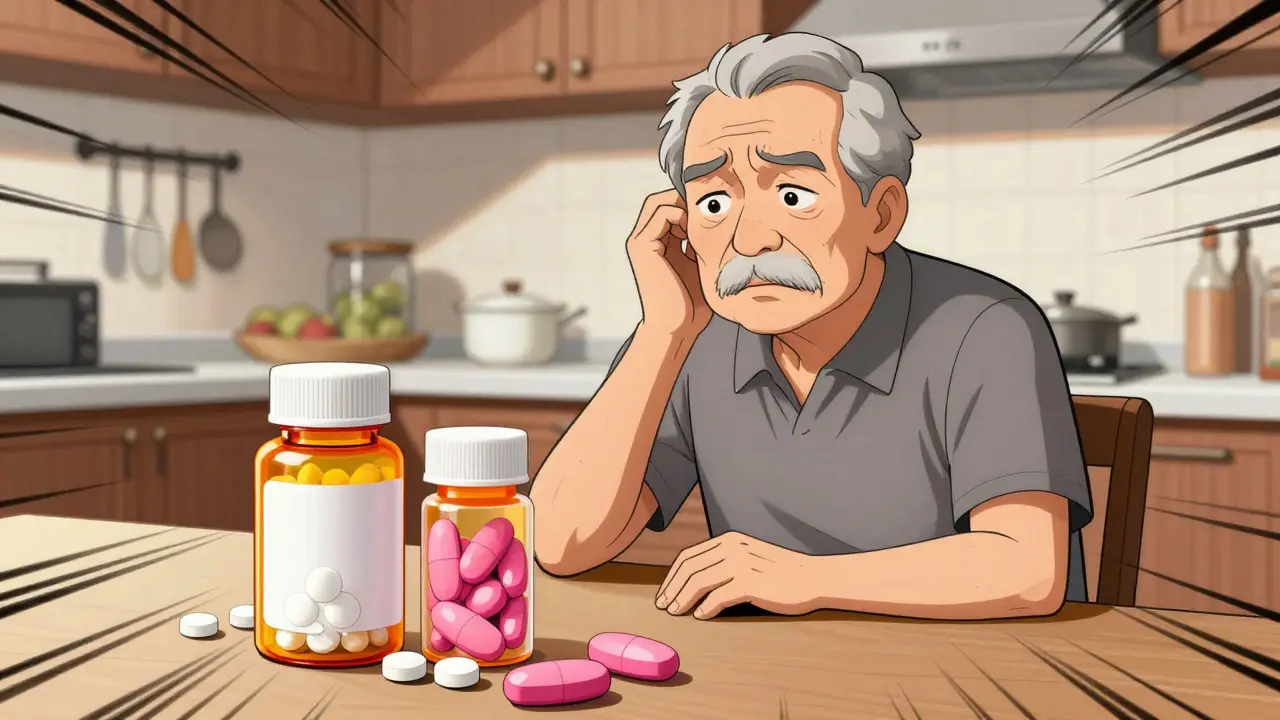
Imagine picking up a prescription for your blood pressure. Last month, the pills were small, white, and round. This month, they are large, pink, and oval. You stare at them in doubt. Is this the right medicine? Did the pharmacy make a mistake? For millions of people, this visual shock leads to one dangerous decision: not taking the pill.
This isn't just a minor inconvenience; it is a major public health crisis rooted in health literacy, defined by the World Health Organization as the ability to access, understand, appraise and use information and services in ways that promote and maintain good health and well-being. When we add generic medications, which are medicinal products that contain the same active ingredients as brand-name drugs but may differ in appearance, inactive ingredients, and packaging, the problem gets worse. Generics make up 90% of all prescriptions in the U.S., yet many patients don't trust them or understand how to take them safely.
The Trust Gap Between Brand and Generic Drugs
Brand-name drugs come with marketing budgets. You see their ads on TV, you recognize their logos, and you feel a sense of familiarity. Generics have none of that. They rely entirely on clinical equivalence-meaning they work exactly the same way in your body-but they lack the emotional connection.
A 2018 study published in Research in Social and Administrative Pharmacy found that 68% of patients expressed concern about generic effectiveness compared to only 22% for brand-name drugs. This "generic distrust" is especially high among people with low health literacy. According to a 2020 Kaiser Family Foundation analysis, Medicare beneficiaries with below-basic literacy skills are 3.1 times more likely to refuse a generic substitution. Why? Because when the pill looks different, it feels different. And if it feels different, patients assume it works differently.
This confusion has real consequences. The Institute for Safe Medication Practices documented 1,247 medication errors related to confusion between different generic versions of the same drug between 2015 and 2020. That’s 17% of all reported medication errors involving generics. These aren’t typos; they are missed doses, double doses, or complete abandonment of treatment because the patient didn’t recognize the new pill.
Why Visual Changes Cause Confusion
Generic manufacturers are allowed to change the color, shape, size, and inactive ingredients (like fillers or dyes) of a drug. While these changes don’t affect the active ingredient-the part that heals you-they create a massive cognitive barrier for patients.
Consider an elderly patient managing five different medications. If their metformin changes from a white oval to a pink round tablet, they might think they’ve been given the wrong drug. A user on PatientsLikeMe shared a harrowing story: "When my metformin changed from white oval to pink round tablets, I didn't take it for three days thinking it was a different medication-I ended up in the ER with high blood sugar." This isn’t an isolated incident. A 2021 study in the Journal of the American Geriatrics Society found that 52% of older adults taking cardiovascular medications admitted to "pill dumping"-discarding medications that looked different-when generics were substituted.
The visual inconsistency represents what Dr. Ruth Parker, Professor of Medicine at Emory University, calls a "systemic failure in health literacy design." It disproportionately impacts vulnerable populations who already struggle to navigate complex healthcare systems.
| Feature | Brand-Name Drugs | Generic Drugs |
|---|---|---|
| Visual Consistency | High (consistent color/shape) | Low (varies by manufacturer) |
| Patient Recognition | Easy (marketing support) | Difficult (no branding) |
| Trust Levels | Higher (familiarity) | Lower (visual doubt) |
| Error Rate Source | Misunderstanding side effects | Confusion over appearance/substitution |
| Cost Impact | Higher out-of-pocket | Lower out-of-pocket (saves money) |
Six Key Points Every Patient Needs to Know
To bridge the gap between prescription and understanding, patients need clear answers to six specific questions. The LMU Health Literacy curriculum identifies these as critical for safe medication use:
- Name of medicine: Understand that the generic name (e.g., atorvastatin) is the same as the brand name (e.g., Lipitor), even if the label looks different.
- What it is being used for: Confirm the condition being treated hasn’t changed, even if the pill has.
- How to take it: Dosage instructions remain identical regardless of manufacturer.
- How to store it: Storage requirements (room temperature, away from light) do not change with generics.
- Side Effects: Potential side effects are the same because the active ingredient is the same.
- When to worry: Know which symptoms require a call to the doctor versus normal adjustment periods.
Research by Wolf et al. in 2007 showed that patients with low literacy were 2.5 times more likely to misdose medications when presented with complex labeling. Simplifying these six points into plain language can drastically reduce errors.
Practical Strategies for Better Understanding
Improving health literacy around generics requires action from both providers and patients. Here are proven strategies that work:
1. The "Ask Me 3" Program
Developed by the Partnership for Clear Health Communication, this program trains providers to ask three simple questions before a patient leaves: What is my main problem? What do I need to do? Why is it important? Implemented in 1,200 healthcare organizations as of 2023, this approach reduced medication errors related to generic substitutions by 31%, according to a 2022 AHRQ evaluation.
2. Brown Bag Medication Review
This technique involves bringing all your medications-including supplements and over-the-counter drugs-to every appointment. A pharmacist or doctor reviews each bottle. This method has been adopted by 78% of Medicare-certified home health agencies and reduced medication discrepancies by 44% in a 2021 Johns Hopkins study. It helps catch visual mismatches immediately.
3. Digital Tools and Apps
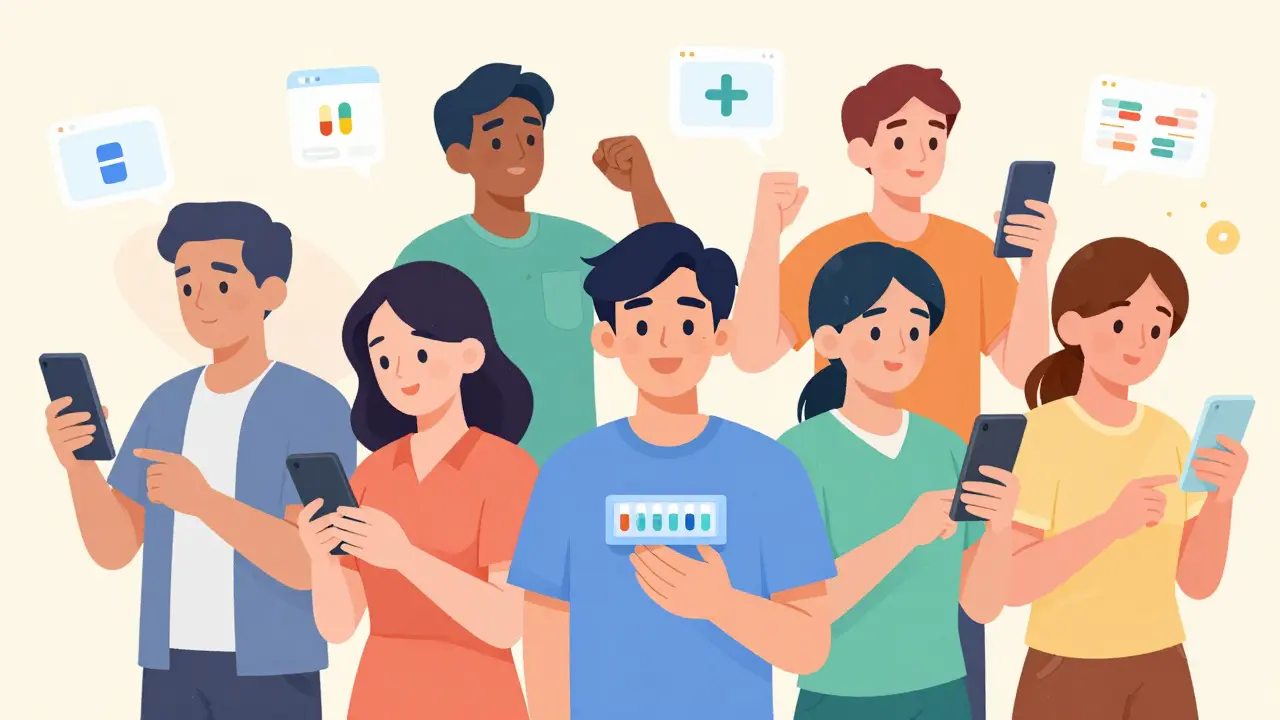
Technology is becoming a powerful ally. The Medisafe app, used by 4.2 million patients, incorporates visual medication recognition features. In a randomized controlled trial published in JMIR mHealth in 2022, these tools improved generic medication understanding by 37%. AI-powered recognition tools, as shown in a June 2023 New England Journal of Medicine study, improved understanding by 63% among patients with low health literacy.
4. Universal Precautions for Health Literacy
The CDC recommends treating every interaction as if the patient has limited health literacy. This means using plain language, avoiding jargon, and confirming understanding through teach-back methods. Implemented in 92% of Federally Qualified Health Centers as of 2023, this approach reduced patient confusion by 52% in multi-site evaluations.
What’s Changing in Policy and Industry
Recognizing the scale of the problem, regulators and industry leaders are stepping up. The FDA’s 2023 draft guidance proposes standardized color-coding for therapeutic classes, building on Australia’s successful system that reduced errors by 33%. The Biden administration’s 2023 National Action Plan to Improve Health Literacy includes specific targets to reduce confusion-related errors by 25% by 2027.
Internationally, the European Medicines Agency mandated standardized appearance for generics across member states in 2021. Preliminary data shows a 27% reduction in medication errors. The WHO’s 2023 Global Health Literacy Action Plan also prioritizes generic standardization, with pilot programs in 15 countries showing a 41% improvement in correct medication use when visual consistency is maintained.
Pharmaceutical companies are also investing. IQVIA found that companies investing in health literacy initiatives for generics saw 18% higher medication adherence rates and $1,247 lower annual healthcare costs per patient. It’s a win-win: better health outcomes and lower costs.
Next Steps for Patients and Caregivers
If you or a loved one struggles with generic medications, start small. Ask your pharmacist to explain any visual changes before you leave the counter. Use a pill organizer labeled with both the generic and brand names. Download a medication tracking app to verify what you’re taking. And never hesitate to ask, "Is this the same medicine as before, just from a different company?" Your health depends on clear communication.
Are generic medications as effective as brand-name drugs?
Yes. Generic medications must contain the same active ingredients, strength, dosage form, and route of administration as the brand-name drug. They are required by the FDA to be bioequivalent, meaning they work the same way in the body. The only differences are usually in inactive ingredients like colors or flavors, which do not affect therapeutic effect.
Why do my generic pills look different every time?
Generic manufacturers compete on price, not branding. Different companies produce the same drug, and each uses its own coloring, shaping, and packaging. As long as the drug is approved by the FDA, these visual differences are legal and safe, but they can cause confusion for patients who expect consistency.
What should I do if I don’t recognize my new medication?
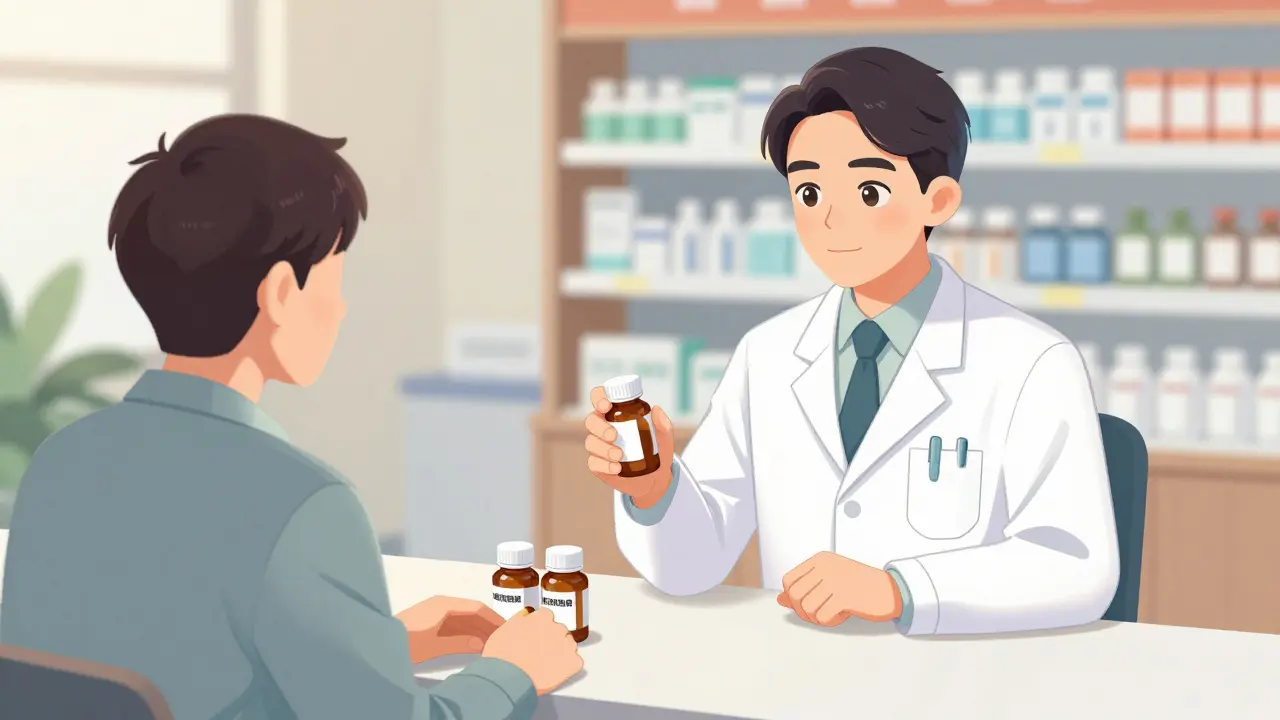
Do not throw it away. Call your pharmacist immediately. Bring the old and new bottles if possible. Ask them to confirm that the new pill is the correct generic substitute. Pharmacists can also provide printed materials with pictures of the new pill to help you identify it next time.
Can low health literacy lead to medication errors?
Absolutely. Studies show that patients with low health literacy are 2.5 times more likely to misdose medications. They may misunderstand instructions, confuse similar-looking pills, or fail to recognize side effects. Clear communication and plain-language labels are essential to prevent these errors.
How can I improve my understanding of my medications?
Use the "Brown Bag" method by bringing all meds to appointments. Ask your provider to explain each drug in plain language. Use apps like Medisafe for visual reminders. And always practice "teach-back": repeat back to your doctor or pharmacist what you understood to ensure accuracy.
Is there a law requiring generic drugs to look the same?
Not currently in the U.S. However, the FDA is considering guidelines for standardized color-coding. In Europe, some countries have implemented stricter visual standards. Advocates argue that visual consistency would significantly reduce medication errors and improve patient confidence.
What is the "Ask Me 3" program?
It’s a communication tool developed by the Partnership for Clear Health Communication. Providers ask patients three key questions about their care: What is my main problem? What do I need to do? Why is it important? This simple check reduces misunderstandings and improves adherence, especially with generic substitutions.
Do generic drugs have fewer side effects than brand-name?
No. Since the active ingredient is identical, the potential side effects are the same. Any perceived difference in side effects is often due to placebo/nocebo effects or variations in inactive ingredients, which rarely impact most patients. Always report new symptoms to your doctor regardless of whether the drug is brand or generic.