
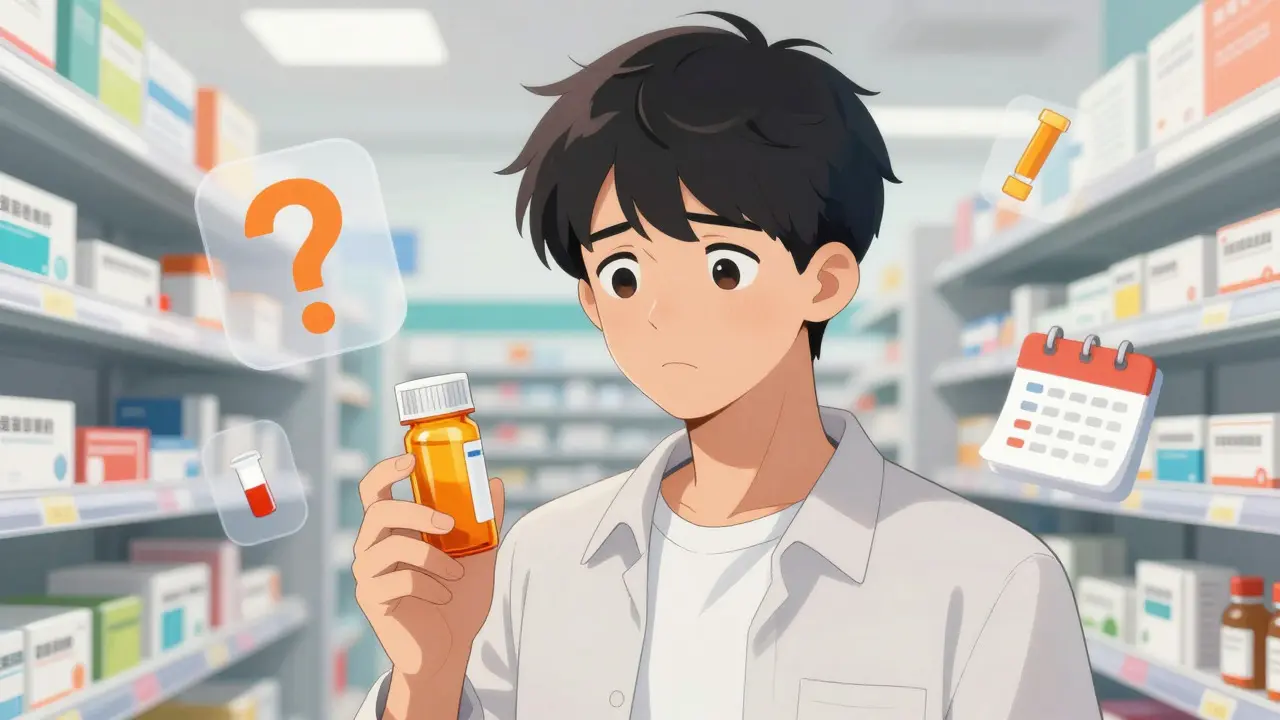
You just walked out of the pharmacy with a shiny new bottle of pills. The doctor said it would help, you nodded, and now you’re staring at the label wondering, "Wait, did I ask about that weird rash my cousin got?" It happens to almost everyone. We leave appointments feeling rushed, confused, or too polite to interrupt. But here is the hard truth: medication errors are not rare accidents; they are a leading cause of preventable harm. A study published in JAMA Internal Medicine highlighted that nearly half of patients don’t take their prescriptions correctly, often because they didn’t fully understand what they were taking.
Asking questions isn’t being difficult; it’s being safe. Healthcare providers actually want you to ask. In fact, the Agency for Healthcare Research and Quality (AHRQ) has been pushing the "Questions are the Answer" campaign for years because informed patients have fewer adverse events. So, before you swallow that first dose, let’s walk through exactly what you need to know. This isn’t about memorizing medical jargon. It’s about getting clear answers to seven specific categories of questions that protect your health.
Identify Exactly What You Are Taking
The first step seems obvious, but it’s where many mistakes start. Brand names change, generics look similar, and handwriting can be tricky. You need to know the exact identity of this substance entering your body.
- What is the generic name? Brand names like Lipitor are familiar, but the generic name (atorvastatin) is universal. If you switch pharmacies, knowing the generic name ensures you get the same active ingredient.
- Why this specific drug? Don’t just accept "it’s standard." Ask why this option was chosen over others. Is it because of your age? Other conditions? Insurance coverage? Understanding the "why" helps you stay motivated if the regimen gets tough.
A quick tip: Take a photo of the prescription label immediately. If you ever need emergency care, showing a paramedic the actual pill bottle is faster and more accurate than trying to remember a name from memory.
Master the Administration Details
Knowing how to take a medication sounds simple, but details matter. A 2021 study found that 34% of patients misunderstand dosage instructions. That’s one in three people potentially taking the wrong amount at the wrong time.
Ask these specific logistical questions:
- How and when do I take it? Does it need food? Some drugs absorb better with fat, while others cause nausea on an empty stomach. Does it need to be taken at the same time every day to maintain blood levels?
- What if I miss a dose? Should you double up next time or skip it? Doubling up on certain blood pressure meds can cause a dangerous drop in pressure. Skipping might mean losing efficacy. Get the rule for missed doses explicitly.
- How long will I be on this? Is this a short course (like antibiotics) or lifelong maintenance? Knowing the timeline changes how you view side effects. Temporary discomfort is manageable if you know it ends in two weeks; it’s terrifying if you think it’s forever.
Set Realistic Expectations for Effectiveness
This is the number one reason people quit medications early. They take a pill today and expect to feel different tomorrow. When nothing happens, they stop. But most chronic condition meds take weeks to build up in your system.
Ask your doctor:
- When will I notice improvement? For antidepressants, it might be 4-6 weeks. For pain relievers, maybe an hour. For cholesterol, you might never "feel" it working, so you rely on blood tests. Clarify the timeline.
- How do we measure success? Will you check my blood pressure? Do I need a follow-up blood test? If you don’t know what "working" looks like, you can’t track progress.
If you don’t feel better by the expected timeframe, call your provider instead of silently stopping. Premature discontinuation leads to relapse and resistance issues, especially with antibiotics and mental health treatments.

Distinguish Between Normal Side Effects and Red Flags
Every medication has potential side effects. The key is knowing which ones are annoying but normal, and which ones are emergencies. A 2023 review in the BMJ noted that adverse drug reactions account for a significant chunk of hospital admissions. Many of these could be caught earlier if patients knew what to watch for.
Don’t just read the pamphlet; ask:
- What are the common, temporary side effects? Dry mouth, mild drowsiness, or slight nausea often fade after the first week. Knowing this prevents panic.
- What symptoms require immediate attention? Is swelling of the lips an allergy sign? Is dark urine a warning? Get a clear list of "stop taking and call me" signs.
- Will these side effects go away? If yes, how long does that usually take? If no, is there a workaround, like changing the time of day you take it?
Check for Interactions with Everything Else
You aren’t just taking one thing. You might take vitamins, herbal supplements, over-the-counter painkillers, or other prescriptions. These all interact. The FDA notes that adults taking five or more medications face an 85% higher risk of interactions.
Bring a complete list to your appointment. Not just prescriptions-include:
- Vitamins and Supplements: St. John’s Wort can mess with antidepressants. Vitamin K affects blood thinners. Grapefruit juice interferes with statins.
- Over-the-Counter Drugs: Ibuprofen can reduce the effectiveness of some blood pressure meds. Antacids can block absorption of thyroid meds.
Ask specifically: "Does this interact with anything else I’m taking, including things I buy at the grocery store?" Pharmacists are excellent resources for this, so run the final check past them too.

Discuss Costs and Alternatives
Cost is a major barrier to adherence. If a medication costs $300 a month and you can only afford $50, you’ll likely skip doses. That defeats the purpose. Be upfront about your budget.
Ask:
- Is there a cheaper generic version? Often, generics are equally effective but cost a fraction of the brand name.
- Are there alternative therapies? Sometimes lifestyle changes (diet, exercise) can complement or even replace medication for certain conditions. Ask if this is an option.
- What if insurance doesn’t cover it? Ask about manufacturer coupons, patient assistance programs, or formulary exceptions.
Plan for Follow-Up and Changes
Treatment isn’t a one-time event. It’s a process. You need a roadmap for what comes next.
- When is our next check-in? Don’t assume you’ll see each other in six months. Schedule it before you leave.
- What is Plan B? If this drug causes bad side effects or doesn’t work, what’s the next step? Is there another class of drugs to try?
- Do I need to taper off? Never stop abruptly without asking. Some meds, like steroids or benzodiazepines, require slow reduction to avoid withdrawal symptoms.
| Category | Key Question to Ask | Why It Matters |
|---|---|---|
| Identity | What is the generic name? | Prevents confusion at pharmacies and emergencies. |
| Administration | With or without food? Missed dose rule? | Ensures proper absorption and safety. |
| Effectiveness | When will I feel better? | Prevents premature quitting due to lack of immediate results. |
| Side Effects | Which symptoms are urgent? | Helps distinguish between annoyance and danger. |
| Interactions | Does it clash with my supplements/OTC meds? | Avoids dangerous chemical combinations. |
| Cost | Is there a generic or assistance program? | Improves long-term adherence by removing financial barriers. |
Practical Tips for the Appointment
Even with the best questions, anxiety can make you forget them. Here is how to make sure you get the answers:
- Write it down beforehand. Bring a physical list or use your phone’s notes app. Stick to the top 3-5 priorities if you’re running out of time.
- Record the conversation. With permission, record the audio on your phone. You can re-listen later when you’re calm and focused.
- Use the "Teach-Back" method. Repeat what the doctor said back to them in your own words. "So, you’re saying I should take this with breakfast, and if I miss it, I skip it until tomorrow. Did I get that right?" This confirms understanding instantly.
- Bring a buddy. If possible, bring a friend or family member. They can hear things you miss and ask questions you forgot.
Remember, your doctor is a partner in your health journey. Asking detailed questions shows you are engaged and serious about your treatment. Most healthcare providers respect patients who advocate for themselves. By covering these bases, you turn a passive transaction into an active, safe management plan.
Is it rude to ask many questions during a short appointment?
No, it is not rude. While appointments are short, patient safety is a priority. If you have complex concerns, ask if you can schedule a longer visit or send questions via the patient portal beforehand. Prioritize your top 3 questions if time is tight.
Can I just ask the pharmacist instead of my doctor?
Pharmacists are experts in drug interactions, administration, and side effects. They are an excellent resource for practical "how-to" questions. However, your doctor is better suited to discuss the overall treatment strategy, diagnosis-specific benefits, and alternatives. Use both: ask the doctor about the "why" and the pharmacist about the "how."
What if I forget the answers after leaving the office?
This is very common. Studies show patients forget up to 50% of verbal instructions within an hour. Always write down answers during the visit. If you still have doubts, call the clinic’s nurse line. They can often clarify basic administration and side effect questions without requiring a full appointment.
Should I ask about natural alternatives?
Yes, if you are interested. Ask if lifestyle changes (diet, exercise, sleep) can play a role alongside or instead of medication. Be cautious with herbal supplements, as they can interact with prescribed drugs. Always disclose any natural remedies you are using.
How do I handle cost concerns without feeling awkward?
Be direct. Say, "This medication is outside my budget. Are there generic options or patient assistance programs available?" Doctors encounter this daily and appreciate knowing upfront so they can prescribe something sustainable for you.

14 Comments
I completely agree with this... it's so important to ask, right?? I always feel a bit shy, but then I remember that my health is on the line!!! The part about recording the conversation is genius... why didn't I think of that before?! It saves so much stress later on.
Knowledge is power. To remain passive is to invite chaos. We must question authority for our own survival.
Spot on. Advocacy is self-care.
Doctors are too busy to listen properly anyway they rush you out in 5 mins and expect you to know everything its ridiculous we should demand better service
Oh, thank heavens for this guide! I was absolutely terrified last time I started a new heart medication. I felt like I was walking into a fog without a map. This checklist is an absolute lifesaver, truly. I'm printing it out immediately!
This is such a great reminder! You've got this. Just take a deep breath and write down your top three questions before you go in. You are your own best advocate, and doctors really do appreciate when patients are engaged. It’s all about partnership!
The system is designed to keep us dependent. They don't want you asking about generics because they lose their commission kickbacks from the big pharma brands. It's not just about safety; it's about profit margins hidden behind 'standard care' protocols. Wake up.
Excellent analysis. Proactive engagement is key to optimal health outcomes. I strongly encourage everyone to utilize these strategies during their next consultation.
love the teach-back method idea super practical stuff honestly i usually just nod and zone out lol but gonna try writing it down next time ty for sharing
this is helpful i never thought about asking about the generic name until now good tip
It is absolutely infuriating how often healthcare providers treat patients like ignorant children who have no capacity for understanding complex medical realities. I spent twenty minutes trying to explain my symptoms only to be cut off by a doctor who barely looked at me and scribbled a prescription for something I had already tried and hated. The arrogance is staggering and the lack of empathy is frankly unacceptable in modern medicine where patient satisfaction scores supposedly matter so much yet clearly nobody actually cares about the human experience of being sick.
Agreed on the cost part. It's awkward but necessary. If you can't afford it, you won't take it. Simple as that. Better to negotiate upfront than skip doses later.
Very true!! 🙌 We need to be aggressive about our health 💪 Don't let them push you around. Ask every single question 😤📝 Knowledge is weapon 🔥
A thoughtful approach to healthcare transforms the patient from a passive recipient into an active participant. By clarifying expectations regarding side effects and efficacy timelines, we reduce anxiety and improve adherence. This collaborative model respects both the provider's expertise and the patient's autonomy, creating a more sustainable path to wellness.
Write a comment