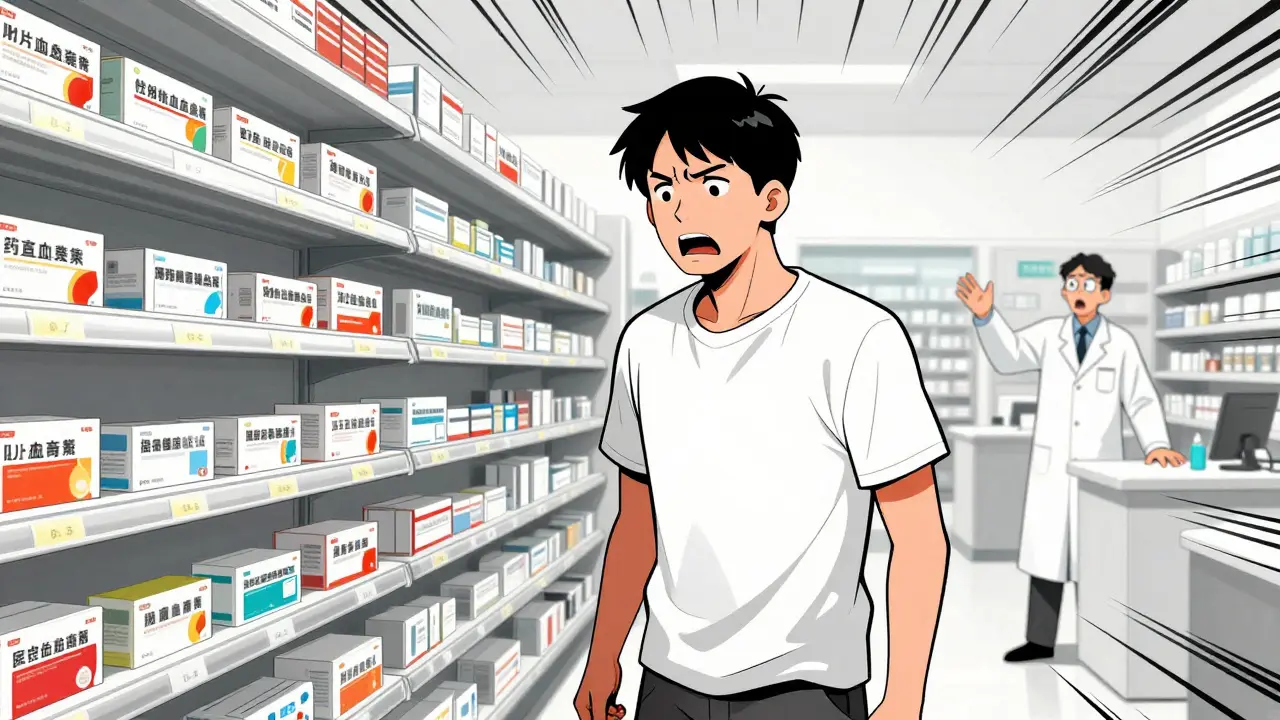
Imagine walking into a pharmacy to pick up your standard blood pressure medication or an antibiotic for a simple infection, only to be told it’s unavailable. You aren’t imagining things. This is the reality of generic drug shortages, defined by the periods when demand for medically necessary drugs exceeds supply due to systemic failures in production and distribution. While brand-name drugs rarely disappear from shelves, generic medications-which make up about 90% of all prescriptions in the United States-are frequently out of stock. As of recent data from the U.S. Food and Drug Administration (FDA), these shortages have become a chronic issue rather than a temporary glitch, affecting everything from cancer treatments to common anesthetics.
The problem isn’t just bad luck; it’s a structural flaw in how we produce and distribute medicine. To understand why this keeps happening, we need to look past the empty shelves and examine the fragile web of manufacturing plants, global suppliers, and profit-driven middlemen that keep our medicine cabinets stocked. The answer lies in a combination of tight margins, concentrated power, and a lack of backup plans.
The Fragile Nature of Generic Manufacturing
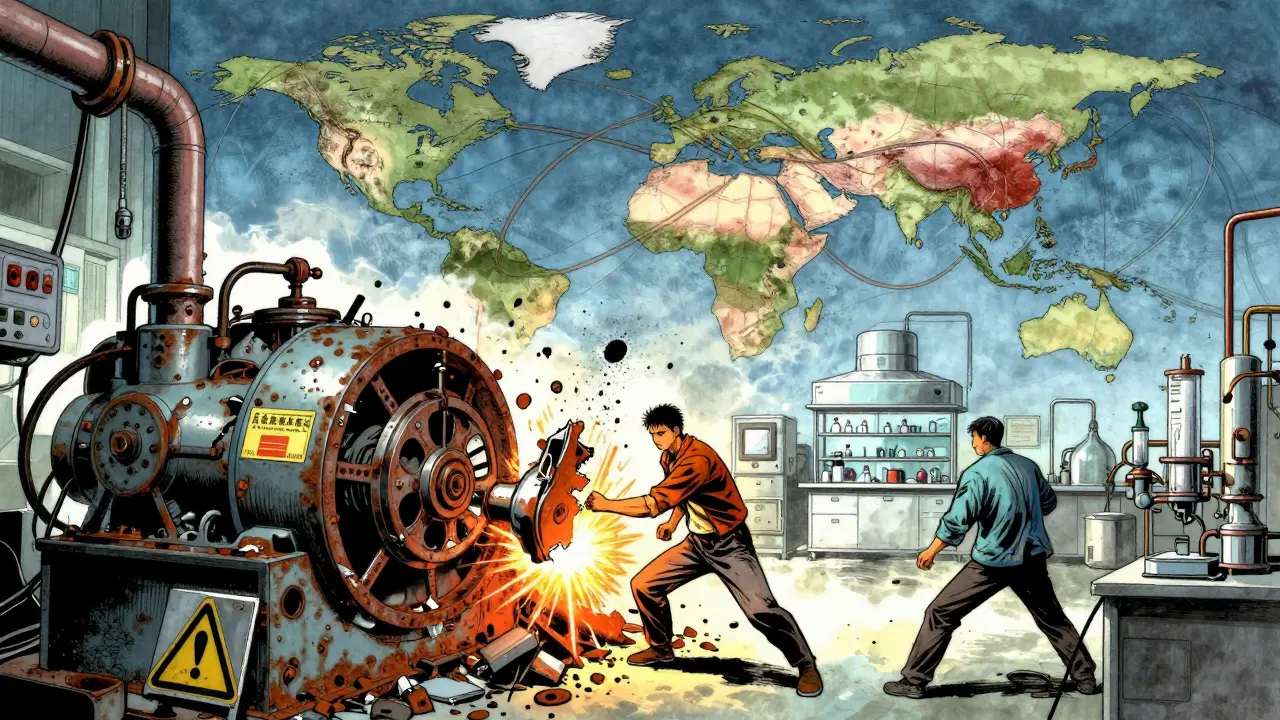
At the heart of the crisis is the manufacturing process itself. Unlike brand-name drugs, which are produced by large companies with deep pockets and redundant facilities, generic drugs are often made by smaller manufacturers operating on razor-thin margins. According to FDA data from 2020, manufacturing and quality issues account for approximately 62% of all reported drug shortages. This means that when a factory has a problem, there is often no one else ready to step in and fill the gap.
These manufacturing problems usually fall into three categories:
- Facility Contamination: Sterile injectables, like IV antibiotics, require pristine environments. A single breach in sterility can shut down a plant for months while regulators investigate and clean up.
- Equipment Failures: Older factories often run machinery that is decades old. When critical equipment breaks, replacement parts may take weeks to arrive, halting production entirely.
- Compliance Issues: The FDA regularly inspects facilities. If a plant fails to meet current Good Manufacturing Practices (cGMP), production stops immediately until corrective actions are taken.
The Association for Accessible Medicines (AAM) notes that over 3,000 generic product discontinuations have occurred since 2010. Why do companies stop making drugs? Often, it’s because maintaining the high standards required for sterile manufacturing is expensive, and the profit margin on generic drugs is too low to justify the investment. Many manufacturers operate with "low to no excess capacity," meaning they produce exactly enough to meet current demand. There is no buffer. If a machine breaks or a batch fails quality control, the supply chain snaps.
The Global Dependence on Active Pharmaceutical Ingredients
Even if the final pill is pressed in the United States, the raw materials inside it likely came from halfway across the world. The active pharmaceutical ingredient (API) is the chemical compound that makes the drug work. The supply chain for these ingredients is heavily concentrated in just two countries: China and India.
| Component | Primary Source Regions | Risk Factor |
|---|---|---|
| Active Pharmaceutical Ingredients (API) | China (~80%), India | High: Geopolitical tensions, export bans, natural disasters |
| Finished Dosage Forms (Tablets/Capsules) | United States, Europe, Asia | Medium: Regulatory shutdowns, labor strikes |
| Sterile Injectables | Ireland, Italy, United States | High: Complex sterilization requirements, few qualified manufacturers |
This geographic concentration creates a single point of failure. If a factory in China faces a power outage, a regulatory crackdown, or a pandemic-related lockdown, the flow of APIs to U.S. manufacturers stops. By March 2021, most API manufacturing facilities were located outside the United States, according to the NCBI Bookshelf. This reliance on foreign sources means that U.S. healthcare systems are vulnerable to international events they cannot control. The University of Toronto and University of Pittsburgh studies highlight that sole-sourced drugs-those made by only one manufacturer-represent one in five shortage reports. When you combine sole sourcing with foreign dependency, the risk skyrockets.
Economic Pressures and the Profit Margin Trap
Money talks, and in the generic drug market, it’s whispering. The economics of generic production are fundamentally broken. While branded drugs can command profit margins of 30-40%, generic drugs often operate on margins below 15%. Some essential generics sell for pennies per unit. This low-price environment discourages new manufacturers from entering the market and pushes existing ones to cut costs to survive.
Cost-cutting often leads to underinvestment in maintenance, quality control, and inventory buffers. The Department of Health and Human Services (HHS) White Paper identifies "market forces" as a primary driver of shortages, noting that unpredictable sales volumes and low prices create a "shortage-prone" system. When a drug becomes unprofitable, manufacturers may quietly discontinue it. Even more concerning, some manufacturers continue to produce a drug even during a shortage because they can raise prices slightly without losing customers, but they don’t invest in expanding capacity to fix the underlying supply issue.
This economic trap is exacerbated by the consolidation of the industry. Fewer companies mean less competition, but also fewer backups. If one of the top three manufacturers of a specific generic goes offline, there may be no other company capable of producing that exact formulation quickly. The result is a vicious cycle: low profits lead to fragile operations, which lead to shortages, which drive up prices temporarily, but fail to incentivize long-term stability.
The Role of Pharmacy Benefit Managers (PBMs)
You might wonder why patients still pay so little for generics if the system is so strained. Enter Pharmacy Benefit Managers (PBMs). These intermediaries negotiate drug prices between insurers and pharmacies. Today, just three PBMs control approximately 85% of prescription drug spending in the U.S., according to the Federal Trade Commission (FTC).
While PBMs help lower out-of-pocket costs for patients, their immense market power distorts the supply chain. To win contracts with these giants, generic manufacturers must offer rock-bottom prices. This intense price competition squeezes margins further, leaving manufacturers with little financial cushion to handle disruptions. The FTC’s July 2023 interim report criticized PBMs for making "critical decisions about access... without transparency." For example, a PBM might steer patients toward a cheaper generic that is already in short supply, worsening the shortage, rather than approving a slightly more expensive alternative that is readily available.
In contrast, Canada’s more centralized healthcare system demonstrates greater resilience. Research by Dr. Mina Tadrous and colleagues found that Canada experiences fewer severe shortages despite similar global supply chains. This is partly due to better cooperation between regulators, public payers, and manufacturers, and the existence of strategic stockpiles for routine shortages, not just emergencies. The U.S. lacks this coordinated approach, leaving individual hospitals and pharmacies to fend for themselves.
Impact on Patient Care and Clinical Practice
The human cost of these shortages is significant. When a generic drug disappears, doctors are forced to substitute therapies, delay treatments, or ration supplies. For conditions like epilepsy, hypertension, or cancer, switching medications can be dangerous or ineffective. Hospital pharmacists now spend 50-75% more time managing shortages than they did a decade ago, according to ASHP surveys. They track inventory obsessively, call distributors daily, and sometimes fly to other states to secure shipments.
One-quarter of U.S. shortage reports fail to specify a reason, indicating poor transparency in the system. Patients are often left in the dark, unsure if their next dose will arrive. The American Medical Association emphasizes that these shortages cause "real disruptions in patients' care," undermining trust in the healthcare system. For vulnerable populations, such as those relying on dialysis or chemotherapy, a shortage isn’t an inconvenience-it’s a life-threatening event.
What Is Being Done to Fix the System?
Recognizing the severity of the crisis, policymakers and industry leaders are exploring solutions. The Rolling Active Pharmaceutical Ingredient and Drug Reserve (RAPID) Reserve Act, introduced in Congress, aims to create strategic reserves for critical generic drugs and incentivize domestic manufacturing. The idea is to build a buffer stock for essential medicines, similar to how we store grain or fuel.
Other proposals include:
- Increasing Transparency: Requiring manufacturers to notify the FDA earlier when they anticipate a shortage.
- Diversifying Supply Chains: Incentivizing the construction of new API plants in North America and allied nations.
- Reforming PBM Practices: Preventing PBMs from favoring scarce drugs over available alternatives.
- Strategic Stockpiling: Expanding beyond emergency preparedness to include routine generic medications.
However, experts warn that piecemeal fixes won’t solve the root cause. Dr. Lisa Maillart from Pitt’s Swanson School of Engineering stresses the need for interdisciplinary collaboration between engineering, public health, and pharmacy to redesign the supply chain. Without fundamental changes to how generics are priced and produced, shortages will remain a persistent feature of U.S. healthcare.
Why are generic drugs more prone to shortages than brand-name drugs?
Generic drugs operate on much lower profit margins (often below 15%) compared to brand-name drugs (30-40%). This leaves manufacturers with little financial buffer to handle disruptions. Additionally, there are fewer manufacturers for each generic drug, creating single points of failure. Brand-name drugs are typically produced by larger companies with multiple facilities and higher revenues to absorb shocks.
How do Pharmacy Benefit Managers (PBMs) contribute to drug shortages?
PBMs negotiate extremely low prices for generic drugs to save insurers money. This intense price pressure squeezes manufacturer margins, forcing them to cut costs on maintenance and inventory. Furthermore, PBMs may steer patients toward cheaper generics that are already in short supply, exacerbating the shortage instead of directing them to available alternatives.
Where do most Active Pharmaceutical Ingredients (APIs) come from?
Approximately 80% of APIs used in U.S. pharmaceuticals are manufactured in China and India. This heavy geographic concentration creates vulnerability to international disruptions such as trade disputes, natural disasters, or local regulatory changes, which can halt the flow of raw materials needed to make finished drugs.
What percentage of drug shortages are caused by manufacturing issues?
According to FDA data from 2020, manufacturing and quality issues account for about 62% of all drug shortages. These include facility contamination, equipment failures, and compliance violations that force production halts.
Is the Canadian drug supply chain more resilient than the U.S.?
Yes, research indicates Canada demonstrates greater resilience due to better cooperation between regulatory agencies, public payers, and manufacturers. Canada also maintains strategic stockpiles for routine shortages, whereas the U.S. stockpile is primarily designed for acute emergencies like terrorism or mass casualties.