
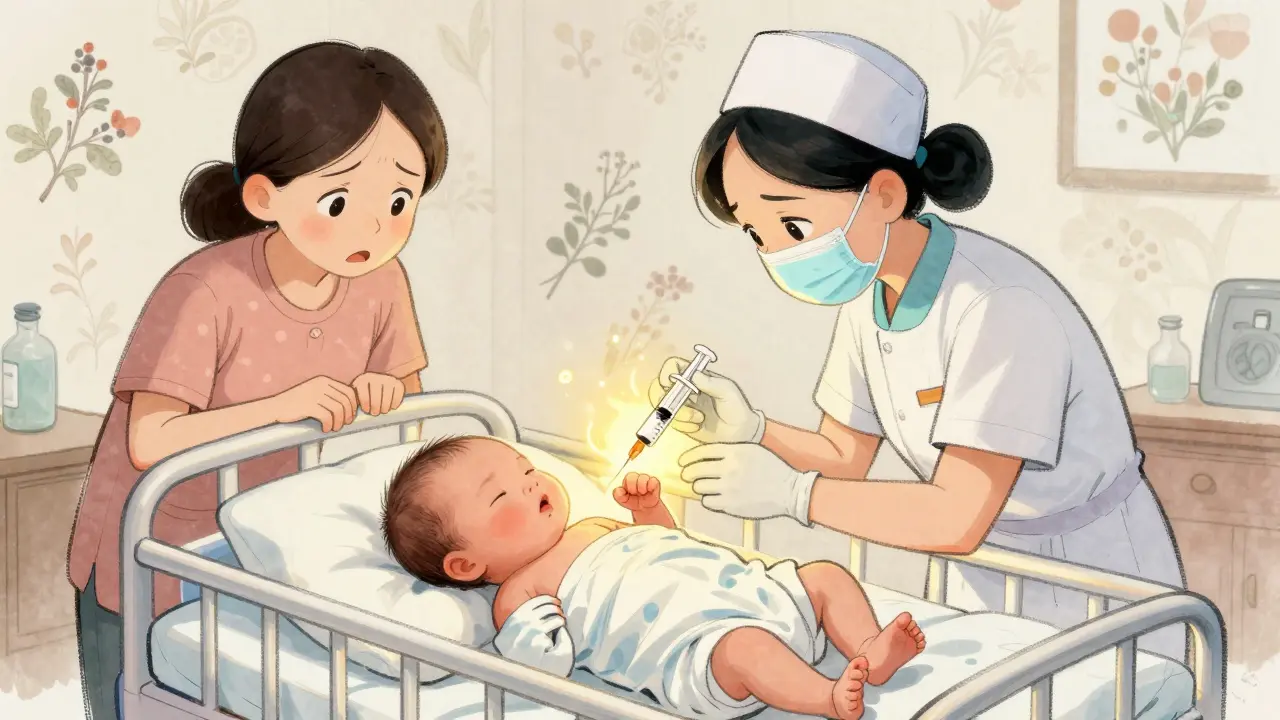
Getting vaccinated against hepatitis A and B isn’t just about avoiding a bad case of the flu. It’s about protecting your liver - a vital organ that filters toxins, makes proteins, and stores energy. Left unchecked, hepatitis A and B can lead to chronic liver disease, cirrhosis, or even liver cancer. The good news? Both are preventable with vaccines. The challenge? Knowing exactly when and how to get them. Schedules vary by age, health status, and even travel plans. Get it wrong, and you might not be fully protected. Get it right, and you’re covered for decades - sometimes for life.
How Hepatitis A and B Vaccines Work
Hepatitis A and B are caused by two completely different viruses, but both attack the liver. The hepatitis A virus spreads through contaminated food or water. Hepatitis B spreads through blood, sexual contact, or from mother to baby during birth. Neither is curable once chronic infection sets in. That’s why prevention matters.
The vaccines for both are inactivated or recombinant - meaning they contain no live virus. Instead, they teach your immune system to recognize and fight the virus before it ever causes harm. The hepatitis B vaccine has been around since the 1980s and is one of the most effective vaccines ever made. Since universal infant vaccination began in the U.S. in 1991, new infections in kids and teens have dropped by over 95%. The hepatitis A vaccine followed in the mid-1990s and has cut infection rates by more than 90% in countries with routine childhood immunization.
Standard Hepatitis B Vaccine Schedule for Infants and Children
For babies, the hepatitis B vaccine starts at birth. Yes - within 24 hours of delivery. This isn’t optional for high-risk babies; it’s critical for all. The birth dose prevents mother-to-child transmission, which is the leading cause of chronic hepatitis B infection worldwide. If the mom has hepatitis B, the baby also gets hepatitis B immune globulin (HBIG) at birth, along with the vaccine.
The full series for infants is three doses:
- First dose: Within 24 hours of birth (for babies weighing at least 2,000 grams)
- Second dose: At 1 to 2 months old
- Third dose: Between 6 and 18 months old (but not before 24 weeks)
Studies show this schedule gives 98-100% protection. Missing the birth dose increases the risk of lifelong infection, especially if the mother is a carrier. Even in low-risk families, the CDC recommends it for everyone - because you never know if a mom was unaware she had hepatitis B.
Standard Hepatitis A Vaccine Schedule for Children
Hepatitis A doesn’t cause chronic infection like hepatitis B, but it can make kids and adults very sick for weeks - with fever, nausea, jaundice, and fatigue. The vaccine is given in two doses, spaced at least six months apart. The first dose is recommended between 12 and 23 months of age. It’s not given earlier because the immune system doesn’t respond well before 12 months.
There’s no rush. Unlike hepatitis B, hepatitis A doesn’t spread easily from mother to baby. So the focus is on long-term community protection. Once kids get both doses, they’re protected for at least 20 years - possibly for life. Many schools and daycares now require proof of vaccination, making it easier for parents to stay on track.
Adult Hepatitis B Vaccination: It’s Not Just for Kids
Most adults think they’re safe if they weren’t exposed as kids. That’s a dangerous assumption. About 1 in 20 adults in the U.S. has been infected with hepatitis B at some point. Many never knew it. That’s why the CDC now recommends all adults aged 19 to 59 get vaccinated - no risk factors needed.
There are three main options for adults:
- Standard 3-dose series (Engerix-B or Recombivax HB): Doses at 0, 1, and 6 months. Works well for most people under 40.
- 2-dose Heplisav-B: Doses at 0 and 1 month. More effective - 90-100% seroprotection - especially in older adults, diabetics, and those with weakened immune systems. But it carries a black box warning for heart-related risks, so it’s not used in people with known heart conditions.
- 3-dose PreHevbrio: Doses at 0, 1, and 6 months. A newer option with a different formulation. Approved in 2023 and now listed as an alternative by the CDC.
One big problem? Only about one-third of adults in this age group have completed the series. Why? Many don’t know they need it. Others get the first shot, then forget the rest. The 2-dose Heplisav-B helps - fewer visits mean higher completion rates. Pharmacies now offer it, making access easier.

Hepatitis A for Adults: When and Why
Adults who never got the hepatitis A vaccine as kids should still get it - especially if they:
- Travel to countries with poor sanitation (Asia, Africa, Central/South America)
- Use recreational drugs
- Have chronic liver disease
- Work in healthcare or childcare
- Live in a community with an outbreak
The schedule is simple: two doses, six months apart. No need to rush. But if you’re leaving for a trip in two weeks, don’t wait. One dose still gives strong short-term protection - about 95% effective within two weeks. You’ll still need the second dose for long-term immunity.
Combination Vaccines: Hep A and B Together
Why get two shots if you can get one? Twinrix is a combination vaccine that protects against both hepatitis A and B. It’s ideal for travelers, healthcare workers, or anyone who needs both vaccines.
There are two schedules:
- Standard (3 doses): At 0, 1, and 6 months. Same as separate vaccines.
- Accelerated (4 doses): At 0, 7, and 21-30 days, with a booster at 12 months. Used when you need fast protection - say, you’re flying to Southeast Asia next week.
The accelerated schedule gives 94% protection within 30 days. That’s a game-changer for last-minute travelers. But it costs more - around $150-$180 per dose versus $60-$80 for standalone hepatitis B. Insurance doesn’t always cover it, so check ahead.
Special Cases: Immunocompromised and High-Risk Groups
If you’re on dialysis, have HIV, or are taking immunosuppressants, your body may not respond well to standard doses. For these groups, the rules change:
- Hepatitis B: Use higher-dose vaccines (40 mcg instead of 10 mcg) and consider a 4-dose series. For hemodialysis patients, Engerix-B is given as four doses of 2 mL each at 0, 1, 2, and 6 months.
- Hepatitis A: Standard two-dose schedule still works, but antibody levels should be checked after vaccination to confirm protection.
People who inject drugs or are homeless are at high risk for both viruses. Programs that offer vaccines at needle exchanges or shelters have seen completion rates jump from 38% to 89% when using the 2-dose Heplisav-B schedule. Simplicity saves lives.
What Happens If You Miss a Dose?
You don’t have to start over. The CDC says: “Catch up as soon as possible.”
For hepatitis B:
- If you missed dose 2, get it as soon as you remember - at least 4 weeks after dose 1.
- If you missed dose 3, get it at least 8 weeks after dose 2 and 16 weeks after dose 1.
For hepatitis A:
- If you got dose 1 but not dose 2, wait at least 6 months after dose 1 to give dose 2. No need to restart.
Don’t panic if you’re late. Protection from the first dose is still there - it’s just not complete. Finish the series when you can.

Why So Many Schedules? The Confusion Problem
There’s no denying it: hepatitis vaccination schedules are complicated. There are five different vaccines, multiple brands, different dosing for kids vs. adults, accelerated options, and special rules for high-risk groups. A 2022 JAMA study found that providers who hadn’t had recent training made scheduling errors in 1 in 5 cases - like giving dose 2 too soon or using the wrong dose amount.
Electronic health records help. Clinics with automated alerts for missed doses see 37% fewer errors. But only 58% of primary care offices have them set up right. Standing orders - where nurses can give vaccines without a doctor’s order each time - have increased adult vaccination rates by 28% in community health centers.
For patients, the key is to ask: “Which vaccine am I getting? What’s the schedule? When’s the next shot?” Write it down. Set phone reminders. Don’t rely on memory.
What About Long-Term Protection?
Good news: once you complete the full series, you’re likely protected for life. Studies show immunity lasts at least 30 years for hepatitis B, and possibly longer. No booster is needed for healthy people.
For hepatitis A, protection lasts at least 20 years. Again, no boosters.
There’s one exception: people with weakened immune systems. They may need a blood test to check antibody levels after vaccination. If levels are low, they might need a booster.
For travelers who got the accelerated Twinrix schedule, the 12-month booster is critical. Without it, long-term protection drops significantly. One New York travel clinic found 12% of patients skipped it - putting them at risk years later.
What’s Next? The Future of Hepatitis Vaccines
Research is moving fast. A new vaccine candidate from Valneva is in Phase 3 trials and could offer both hepatitis A and B protection in just two doses. The NIH is also testing a single-dose hepatitis B vaccine using new adjuvant technology. If it works, it could revolutionize global vaccination efforts - especially in low-resource countries.
In the meantime, the CDC’s 2023-2025 strategy focuses on expanding access through pharmacies. In 22 states, pharmacists can now give hepatitis B vaccines without a prescription. Early data shows a 23% increase in adult vaccination rates where this is allowed.
The goal? Eliminate viral hepatitis by 2030. That means 90% of newborns getting the birth dose, 90% of children completing the series, and 80% of adults vaccinated. We’re close on childhood coverage - 91.6% of U.S. toddlers are protected. But adult coverage? Only 33% for ages 19-49. That’s the gap we need to close.
Do I need the hepatitis B vaccine if I was vaccinated as a child?
Yes - if you’re an adult aged 19 to 59. The CDC now recommends universal hepatitis B vaccination for all adults in this age group, regardless of childhood vaccination. Immunity from childhood vaccines can wane over time, and adult exposure risks (like sexual contact, needle sharing, or medical procedures) are different. Getting vaccinated again ensures full protection.
Can I get hepatitis A or B from the vaccine?
No. Neither vaccine contains live virus. Hepatitis A vaccine uses inactivated virus particles. Hepatitis B vaccine uses only a piece of the virus (surface antigen) made in yeast. You cannot get infected from the shot. Side effects are mild - sore arm, low fever, fatigue. Serious reactions are extremely rare.
Is the hepatitis B vaccine safe for pregnant women?
Yes. The hepatitis B vaccine is safe during pregnancy. In fact, if a pregnant woman has hepatitis B, she should be vaccinated to prevent transmission to her baby. The vaccine doesn’t cross the placenta in harmful amounts. The birth dose for the newborn is even more critical - it’s the best way to prevent lifelong infection.
Why is the hepatitis B birth dose so important?
Because 90% of babies infected at birth develop chronic hepatitis B - and most never show symptoms until liver damage appears decades later. The birth dose prevents this. Even if the mother doesn’t know she has hepatitis B, giving the vaccine within 24 hours cuts transmission risk by over 90%. Countries that consistently give the birth dose have reduced chronic infection rates in children to under 1%.
What if I don’t remember if I got the hepatitis B vaccine?
Get tested. A simple blood test can check for hepatitis B surface antibodies (anti-HBs). If levels are above 10 mIU/mL, you’re protected. If not, start the vaccine series. There’s no harm in getting extra doses - and it’s safer than risking infection. Many workplaces and schools require proof of immunity - so testing saves time later.
Can I get the hepatitis A and B vaccines at the same time?
Yes - and it’s often recommended. You can get them as separate shots in different arms, or as a combination vaccine (Twinrix). The schedules don’t interfere with each other. For travelers or high-risk adults, combining them reduces the number of visits and increases completion rates.
Next Steps: What to Do Today
If you’re a parent: Check your child’s vaccination record. Make sure they got the birth dose of hepatitis B and both doses of hepatitis A.
If you’re an adult under 60: Ask your doctor or pharmacist if you’ve been vaccinated. If not, get started. The 2-dose Heplisav-B can be done in one month. Pharmacies offer it without a prescription in many states.
If you’re traveling: Get the hepatitis A vaccine at least two weeks before departure. If you need both A and B, ask about Twinrix - and stick to the booster schedule.
One shot won’t do it. But two or three - on time - can protect you for life. Your liver will thank you.

10 Comments
I've seen people skip the birth dose because 'it's not necessary' and then wonder why their kid got hepatitis B. No, it's not optional. It's the single most important shot a newborn gets. Period.
It's funny how we treat vaccines like they're optional moral choices instead of public health infrastructure. We vaccinate kids because it's the right thing to do, not because we're scared. The liver doesn't care about your personal freedom. It just wants to work.
In Nigeria we don't even have consistent access to the first dose. I've seen babies get hepatitis B because the clinic ran out of vials. The real problem isn't people skipping shots-it's systems that fail before they even get to the needle.
I got the twinrix combo last year before my trip to Thailand. Did the accelerated schedule-0, 7, 21 days. Felt a little sore but no big deal. Got the 12-month booster too. Worth it. I didn't want to risk getting sick overseas and dragging everyone else down.
They say the vaccine is safe but they don't tell you what's really in it. Yeast proteins? Adjuvants? Aluminum? And they wonder why people are hesitant. It's not fear-it's awareness. They've been lying about the long-term effects for decades. You think your liver is fine now? Wait ten years. See what the data says.
Oh great. Another government mandated vaccine push. Next they'll be injecting us with microchips under the guise of 'liver protection'. Funny how they never mention the 20% of people who don't respond to the vaccine anyway. So we just keep giving more shots? Brilliant strategy.
I mean, really? A 2-dose hepatitis B vaccine? And it's more effective? That's almost too convenient. Who's funding this? Big Pharma? Of course. And now they're pushing it as 'the solution' for adults who 'forgot' their childhood shots. It's not about health-it's about profit margins. The original schedule was fine. Stop trying to monetize immunity.
I appreciate the thoroughness of this post. However, I must emphasize the critical importance of adhering to the recommended intervals between doses. Deviating from the schedule-particularly with the accelerated Twinrix regimen-may compromise seroconversion rates, especially in immunocompromised populations. Documentation and follow-up are non-negotiable.
I got the Hep B vaccine as a kid and then again as an adult because my doctor said 'just to be safe' and now I'm convinced it gave me chronic fatigue. I'm not saying it's the vaccine but I know what happened to me and I know I didn't feel this way before. People need to stop pretending everything is fine just because the data says so
You know what they don't tell you? That the hepatitis B vaccine was originally developed using fetal cell lines from aborted babies. And now they're pushing it on every newborn like it's a right of passage. They say it's safe but they won't show you the raw data. They say it prevents liver cancer but they don't mention that the cancer rates dropped before the vaccine even hit the market. The whole thing is a controlled narrative. The real cause of liver disease? Glyphosate. Mold toxins. EMF radiation. Not hepatitis. But you won't hear that from the CDC or your pharmacist. They're paid to sell the shot-not the truth.
Write a comment