
Anticoagulation Fall-Risk & Stroke-Benefit Calculator
Educational tool based on published CHA2DS2-VASc, HAS-BLED, and fall-risk literature. Always confirm decisions with your healthcare provider.
You might think that if a patient is likely to fall, they should stop taking anticoagulants to avoid a serious head injury. It’s a common worry, especially for older adults. But here’s the surprising truth: stopping blood thinners just because someone might fall often does more harm than good. For most patients with atrial fibrillation or a history of clots, the risk of having a stroke far outweighs the risk of bleeding from a fall.
The goal isn’t to choose between falling and clotting. It’s to manage both risks effectively. This guide breaks down how clinicians and caregivers can prevent falls while keeping anticoagulation therapy safe and effective. We’ll look at the real numbers, the best tools for assessment, and practical steps to protect your health without sacrificing protection against strokes.
Why Fall Risk Doesn't Mean Stopping Medication
Many doctors and family members hesitate to prescribe or continue blood thinners for seniors who have balance issues. The fear is understandable: a fall while on these drugs could lead to an intracranial hemorrhage (ICH), or bleeding in the brain. However, recent data shows this fear is often misplaced. According to a 2023 review in the European Geriatric Medicine journal, the absolute annual risk of ICH from falls in anticoagulated patients is only 0.2% to 0.5%. Compare that to the 1.5% to 3.0% annual stroke risk for patients with moderate-to-high stroke scores. In other words, you are much more likely to have a stroke if you stop the medication than you are to bleed badly from a fall.
A landmark calculation published in the Cleveland Clinic Journal of Medicine found that a person would need to fall 295 times in a single year for the bleeding risk to outweigh the stroke-prevention benefit of warfarin. Since most people fall once or twice a year, not hundreds of times, the math strongly favors staying on treatment. Professional bodies like the American College of Physicians now explicitly state that fall risk alone should not be a reason to withhold anticoagulation in patients with moderate to high stroke risk.
Understanding Your Stroke vs. Bleeding Risk Scores
To make the right decision, you need two specific numbers. First is the CHA2DS2-VASc score, which estimates your yearly risk of stroke based on factors like age, hypertension, diabetes, and prior stroke. A score of 2 or higher in men (or 3 or higher in women) usually means anticoagulation is recommended. Second is the HAS-BLED score, which looks at bleeding risks such as uncontrolled high blood pressure, kidney issues, or frequent alcohol use. A HAS-BLED score of 3 or higher signals higher bleeding risk, but it doesn’t automatically mean you should stop the drug. Instead, it tells your doctor to monitor you more closely and fix any reversible issues, like lowering your blood pressure or adjusting other medications.
Direct oral anticoagulants (DOACs) like apixaban and rivaroxaban are now preferred over warfarin for most patients. They carry a significantly lower risk of brain bleeds compared to warfarin, making them a safer choice for those worried about falls. Unless you have severe kidney problems, your doctor will likely recommend a DOAC. Note that simply lowering the dose of a DOAC below the standard recommendation is not advised, as it reduces effectiveness without significantly lowering bleeding risk.
Step-by-Step Fall Prevention Strategies
Instead of stopping the medication, focus on reducing the chance of falling. This requires a multifactorial approach, meaning we look at everything from your home environment to your medication list. Here is how to tackle it systematically:
- Medication Review: Ask your doctor to review all your prescriptions. Drugs like sedatives, strong painkillers, and certain blood pressure medications can cause dizziness or slow reaction times. Deprescribing unnecessary meds is one of the most effective ways to reduce fall risk.
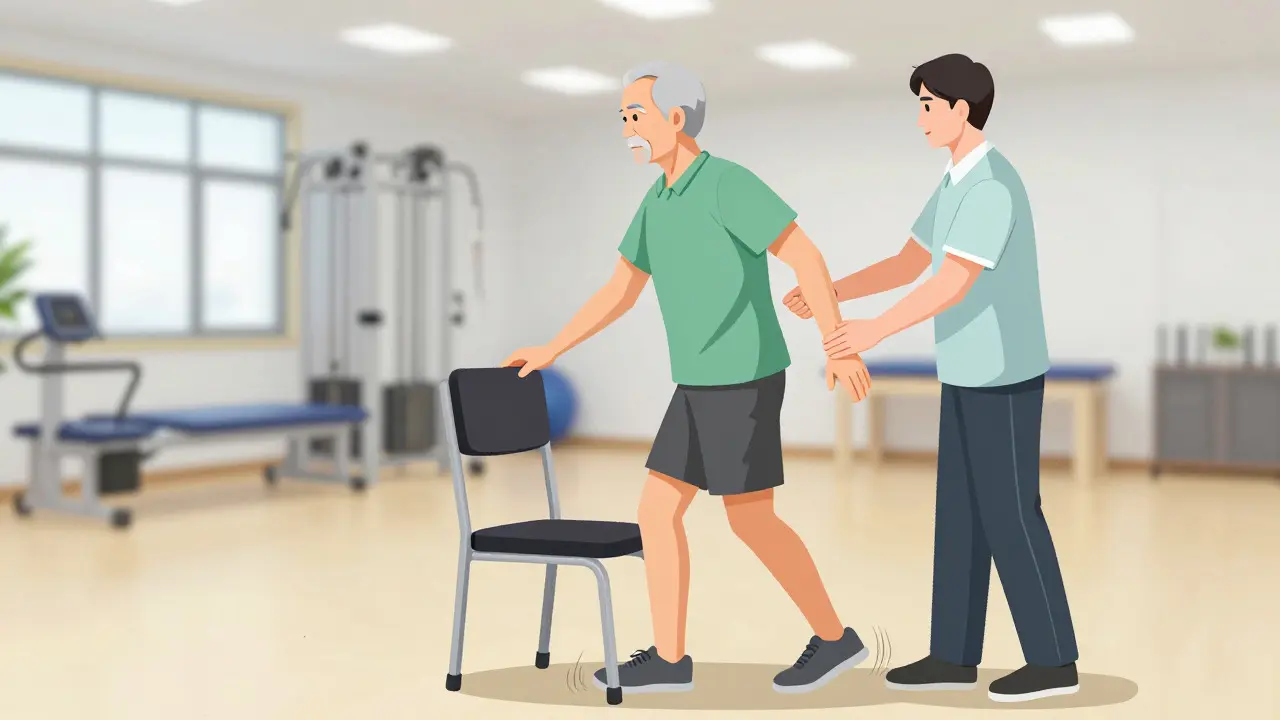
- Balance and Gait Testing: Use simple tools like the Timed Up and Go test. This involves standing up from a chair, walking three meters, turning around, and sitting back down. If it takes longer than 12 seconds, you are at higher risk and may benefit from physical therapy.
- Vision Check: Poor eyesight is a major contributor to trips and stumbles. Make sure your glasses are updated and consider using anti-glare coatings if light sensitivity is an issue.
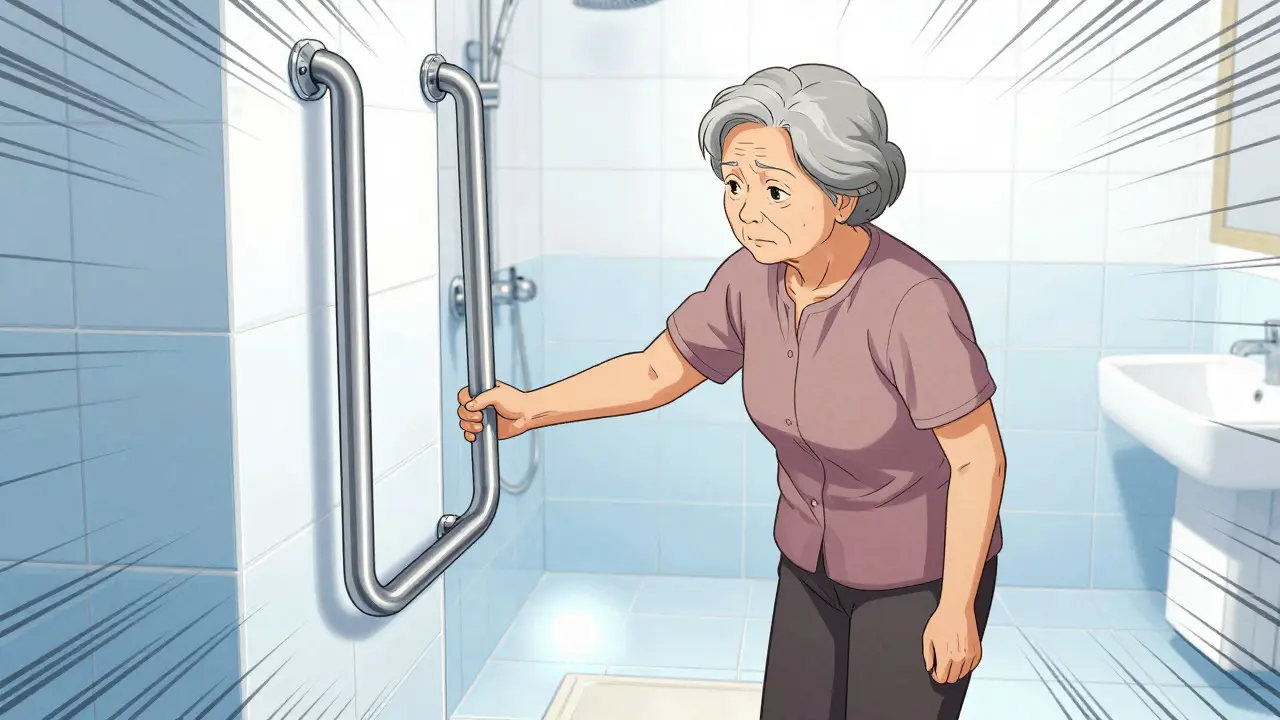
- Home Safety Audit: Remove loose rugs, install grab bars in the bathroom, and ensure hallways are well-lit. Nightlights in the bedroom and bathroom can prevent disorientation during nighttime trips.
- Orthostatic Hypotension Management: If your blood pressure drops when you stand up, you’re at risk. Rise slowly from sitting or lying positions, and stay hydrated. Compression stockings might also help in some cases.
Implementing these changes takes time. Clinicians often find that a comprehensive assessment takes 30 to 60 minutes initially. However, doing this work upfront saves you from the devastating consequences of a stroke or a severe fracture later.
Monitoring and When to Reassess
Prevention isn’t a one-time task. You need to monitor your progress and adjust strategies as your body changes. If you are on warfarin, keep your INR levels stable; labile INRs increase bleeding risk. For DOAC users, check your kidney function annually, as declining kidney clearance can affect how the drug works in your system.
Regular follow-ups with your healthcare team are crucial. If you start falling more frequently despite preventive measures, don’t immediately assume the anticoagulant is the problem. Look for new triggers: Did you start a new medication? Have you lost muscle mass? Is there an infection causing weakness? Addressing the root cause is always better than removing essential stroke protection.
For very frail patients near the end of life, the calculus might change. If life expectancy is less than one to two years, the long-term benefit of stroke prevention may be less relevant. In these cases, shared decision-making with the patient and family is key. But for the vast majority of active older adults, the evidence is clear: stay on the medication, manage the fall risk, and live fully.
Frequently Asked Questions
Should I stop my blood thinner if I fall often?
Generally, no. If your stroke risk is moderate to high, the benefit of preventing a stroke usually outweighs the risk of bleeding from a fall. Work with your doctor to improve your balance and safety instead of stopping the medication.
Which blood thinner is safer for people who fall?
Direct oral anticoagulants (DOACs) like apixaban or rivaroxaban are generally considered safer regarding brain bleeding risk compared to warfarin. They do not require frequent blood testing and have fewer food interactions.
How many times a year can I fall before the risk becomes too high?
Studies suggest you would need to fall approximately 295 times in a year for the bleeding risk to exceed the stroke prevention benefit of warfarin. For most people, even several falls a year do not justify stopping the medication.
What is the CHA2DS2-VASc score?
It is a scoring system used to estimate the annual risk of stroke in patients with atrial fibrillation. Points are assigned for age, sex, hypertension, diabetes, heart failure, and prior stroke. A higher score indicates a greater need for anticoagulation.
Can I take half a dose of my anticoagulant to reduce bleeding risk?
Usually, no. Off-label dose reduction of DOACs is not recommended because it lowers the protection against stroke without significantly reducing the risk of bleeding. Always follow the prescribed dosage unless your doctor advises otherwise due to specific medical reasons like low weight or kidney issues.
What should I do if I do fall while on anticoagulants?
Seek medical attention if you hit your head, even if you feel fine. Symptoms like confusion, severe headache, or vomiting can indicate internal bleeding. Even minor falls should be reported to your healthcare provider so they can assess your risk and adjust your prevention plan.