
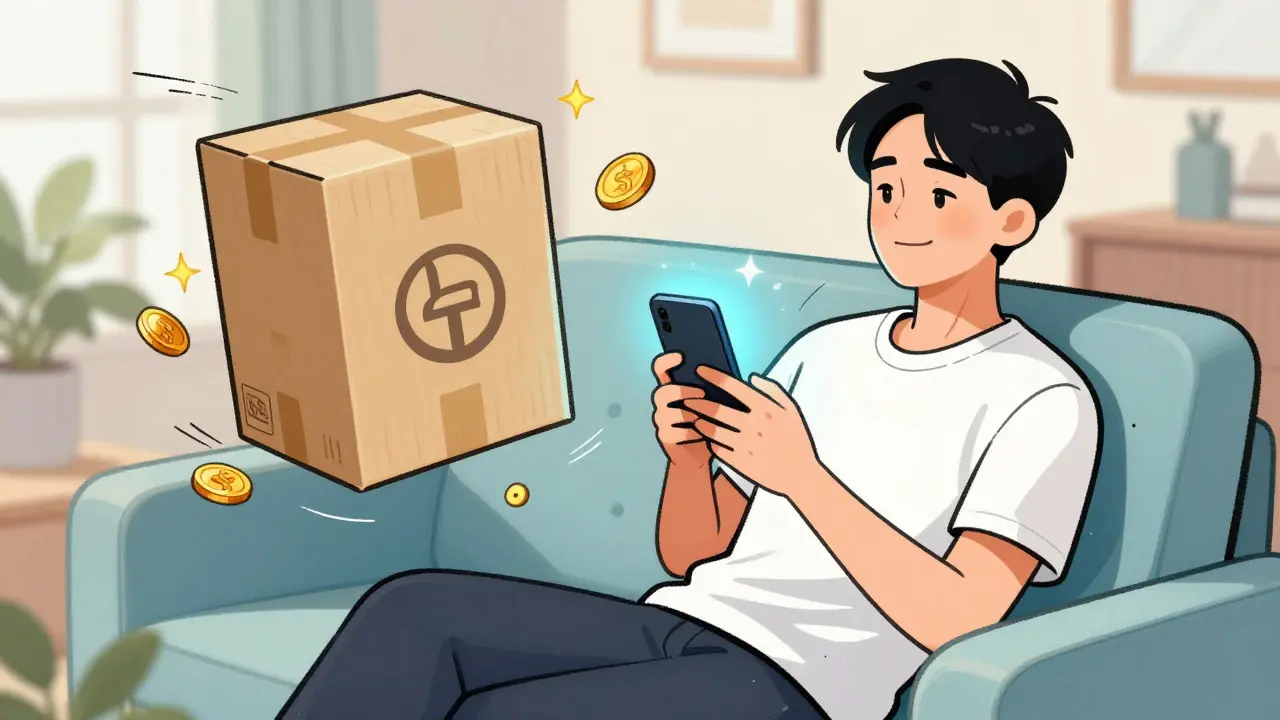
Picture this: you’re sitting on your couch, scrolling through your phone, and with a few taps, you’ve secured a three-month supply of your blood pressure medication. It arrives at your door in about a week, costs less than your local pharmacy’s monthly copay, and you don’t have to wait in line. This is the promise of mail-order generics, which are generic medications shipped directly to patients' homes by centralized pharmacy services. For millions of Americans managing chronic conditions, this model has become a lifeline for affordability and convenience. But as the industry grows-sales jumped from $86 billion in 2013 to over $206 billion in 2023-serious questions are emerging about pricing transparency, drug stability during shipping, and patient safety.
You might be wondering if skipping the drive-thru window is worth the potential headaches. The answer isn’t a simple yes or no. Mail-order generics offer undeniable advantages for long-term maintenance drugs, but they come with hidden traps that can cost you money, compromise your health, or leave you without critical medication when you need it most. Let’s break down exactly how these services work, where they shine, and where they fall short so you can make an informed choice.
How Mail-Order Pharmacy Services Work
To understand whether mail-order generics are right for you, you first need to know the mechanics behind them. Unlike your local corner pharmacy, which handles immediate needs like antibiotics or post-surgery prescriptions, mail-order pharmacies are centralized distribution centers that specialize in delivering 90-day supplies of maintenance medications. These facilities are typically operated by large Pharmacy Benefit Managers (PBMs) like Express Scripts, CVS Caremark, or OptumRx, which collectively handle nearly 80% of all mail-order prescriptions in the United States.
The process usually starts with your insurance plan. Most major insurers, including Medicare Part D, heavily incentivize using their designated mail-order partners. Why? Because it lowers their administrative costs and improves population-level adherence rates. When you sign up, you transfer your prescription for chronic conditions-like hypertension, diabetes, or high cholesterol-to this central hub. They then ship a three-month supply to your home, often with automatic refills scheduled to arrive just before you run out.
This system was designed for efficiency. By consolidating thousands of orders into one location, PBMs claim they can reduce overhead and pass savings to consumers. However, this centralized model also means you lose the personal relationship with a local pharmacist who knows your history, your other medications, and your specific health concerns. You’re trading face-to-face interaction for logistical convenience.
The Real Benefits of Going Generic via Mail
If you’re taking daily medication for a chronic condition, the benefits of mail-order generics can be substantial. The primary advantage is cost. Insurance plans often structure copays to favor 90-day supplies. For example, you might pay $10 for a three-month supply of a generic statin through mail-order, whereas the same drug would cost $40 per month at a retail pharmacy. Over a year, that’s hundreds of dollars saved.
Beyond price, there’s the factor of consistency. Research published in the National Institutes of Health database (PMC4278640) indicates that mail-order use is associated with greater medication adherence. When your pills arrive automatically, you’re less likely to forget to refill them. For conditions like cardiovascular disease, consistent adherence directly translates to better risk factor control, such as lower blood pressure and improved cholesterol levels.
Convenience is another major driver. If you live in a rural area, lack reliable transportation, or simply hate waiting in lines, having your meds delivered is a game-changer. One user reported saving $45 monthly on blood pressure medication while eliminating the weekly trip to the store. For busy professionals or elderly patients with mobility issues, this time-saving aspect is invaluable.
- Cost Savings: Lower copays for 90-day supplies compared to 30-day retail options.
- Improved Adherence: Automatic refills reduce the chance of missed doses.
- Accessibility: Ideal for those with limited mobility or living in remote areas.
- Generic Equivalency: FDA-approved generics have the same clinical risks and benefits as brand-name drugs.
Hidden Costs and Pricing Markups
Here’s where things get tricky. While your copay might look low, the actual price billed by the mail-order pharmacy can be shockingly high. This is known as a markup. A study highlighted by *The Happy PharmD* revealed that a generic antidepressant costing around $12 at a retail pharmacy could be billed at up to $100 through a mail-order service-an 800% markup. Brand-name drugs have seen markups as high as 35 times the retail price.
Why does this happen? PBMs negotiate complex contracts with manufacturers and insurers. Sometimes, they set higher reimbursement rates for mail-order channels to cover operational costs or maximize profit margins. Even though you might not see this full amount on your bill (since insurance covers the difference), these inflated prices contribute to the overall rise in healthcare costs. In 2023, mail-order sales grew significantly faster than prescription volume, suggesting that price inflation, not just increased usage, is driving revenue.
If you’re uninsured or underinsured, these markups hit hard. Direct-to-consumer mail-order pharmacies can charge exorbitant rates for popular injectable drugs like semaglutide or tirzepatide, sometimes reaching $500 per month. Always check the cash price against local retail options before committing to a mail-order service if you’re paying out-of-pocket.
Safety Concerns: Temperature and Delivery Risks
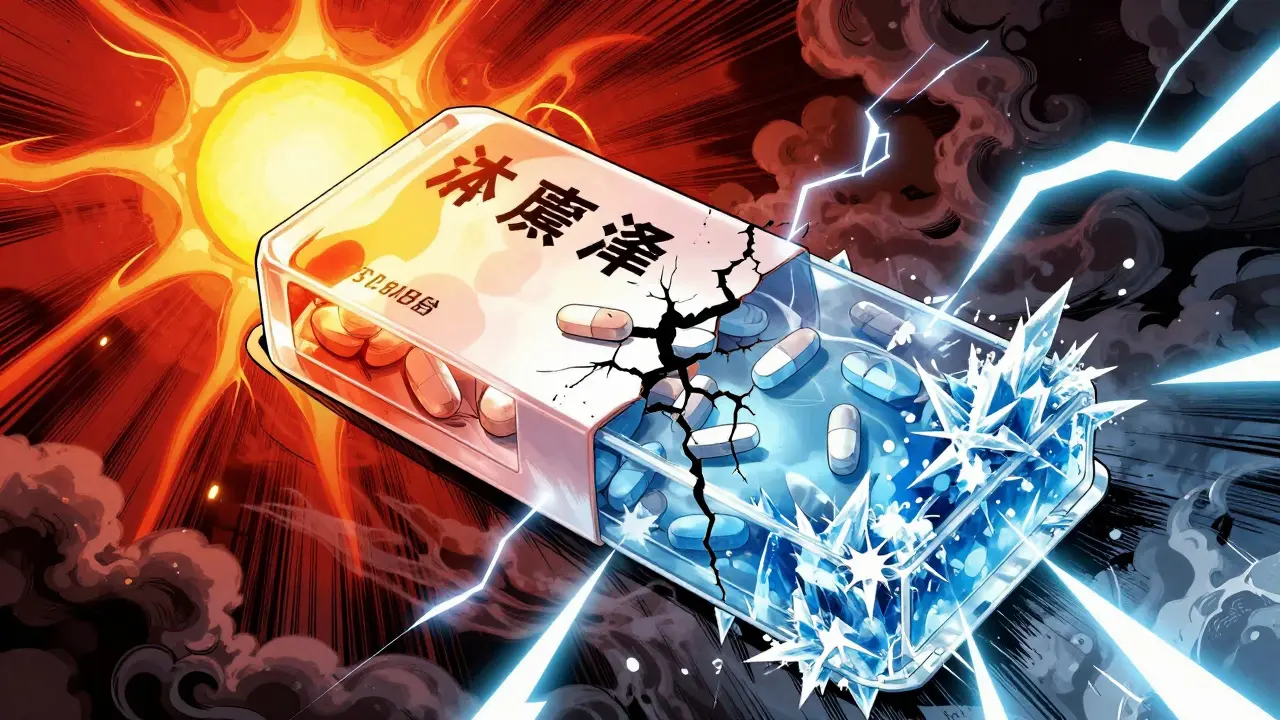
One of the most critical issues with mail-order generics is the integrity of the medication during transit. Most oral medications require storage between 68°F and 77°F to maintain efficacy. However, a study cited by *The Happy PharmD* found that only one-third of mail-order shipments stay within safe temperature ranges. The rest are exposed to extreme heat or cold during delivery.
This isn’t just a minor inconvenience; it can render your medication ineffective. Insulin, for instance, loses potency if exposed to temperatures above 86°F for more than 24 hours. Reddit users have shared stories of insulin arriving melted in summer heat, forcing them to discard expensive supplies and risk dangerous blood sugar spikes. Between 2020 and 2023, the FDA received over 1,200 reports of temperature-related medication failures, though experts believe this number is underreported.
Delivery delays and lost packages are also common complaints. Trustpilot reviews show that 17% of negative experiences cite delivery issues. If you’re running low on life-saving medication and your shipment is stuck in a warehouse, you could face a medical emergency. Unlike a local pharmacy, you can’t just drive down the street to pick up a replacement.
| Feature | Mail-Order Pharmacy | Retail Pharmacy |
|---|---|---|
| Best For | Chronic, maintenance medications | Acute needs, antibiotics, new prescriptions |
| Supply Size | Typically 90 days | Typically 30 days |
| Cost Structure | Lower copays, but potential high markups | Higher copays, transparent cash prices |
| Temperature Control | Risk of exposure during transit | Controlled environment until pickup |
| Pharmacist Interaction | Limited, mostly automated | Direct, personalized consultations |
| Adherence Support | High (automatic refills) | Variable (requires patient initiative) |
The Loss of Personalized Care
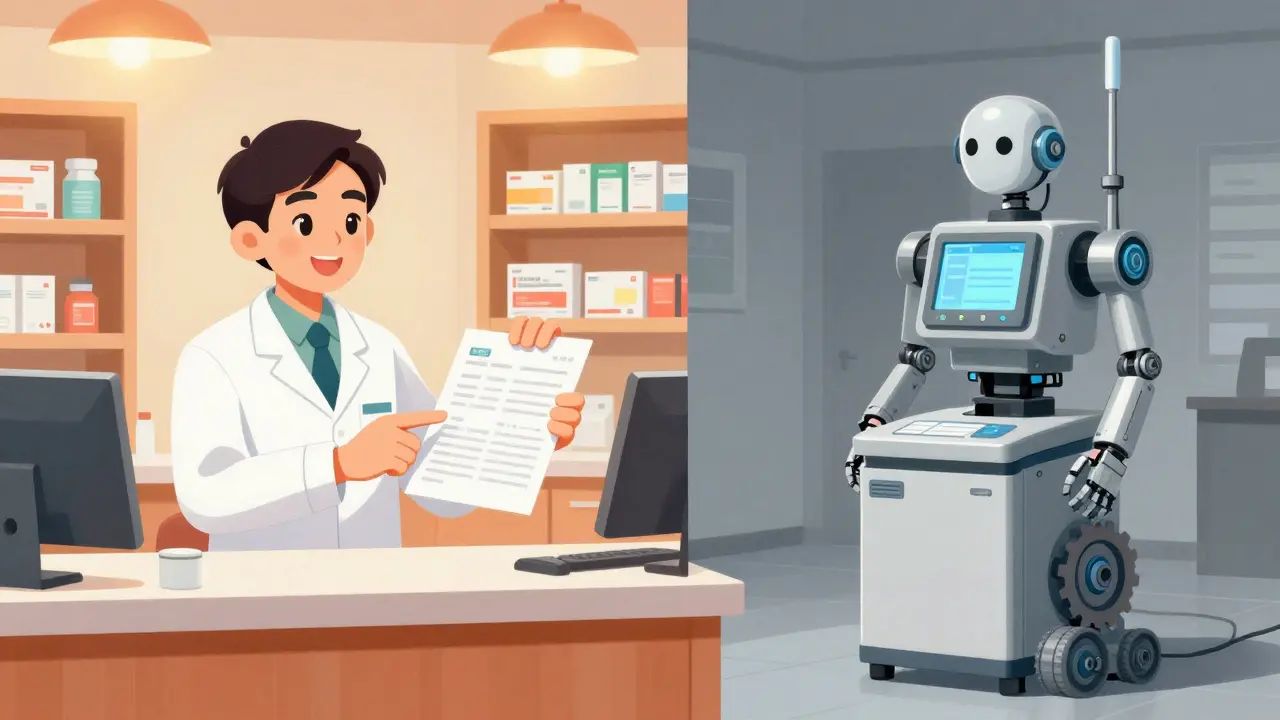
Perhaps the most overlooked downside of mail-order generics is the loss of direct pharmacist-patient interaction. At a local pharmacy, your pharmacist knows your name, your other prescriptions, and your health history. They can spot dangerous drug interactions, advise on side effects, and answer questions in real-time. With mail-order, that human element disappears.
A Consumer Reports survey found that 68% of users were concerned about missing face-to-face consultations. These interactions are crucial for preventing contraindicated medication use. For example, if you start a new supplement or over-the-counter drug, a local pharmacist can immediately warn you if it conflicts with your current regimen. Mail-order systems rely on algorithms and automated checks, which aren’t always perfect.
Additionally, generic switching can cause confusion. While generics are chemically equivalent to brand-name drugs, they may differ in size, shape, color, or inactive ingredients. Researchers note that these differences can cause anxiety or insecurity among patients, leading to reduced adherence. Some studies even link multiple-generic switches to higher hospitalization rates due to patient confusion or perceived ineffectiveness.
Who Should Use Mail-Order Generics?
Mail-order generics aren’t for everyone. They are ideal for patients with stable, chronic conditions who take the same medications consistently. Think diabetes, hypertension, high cholesterol, or thyroid disorders. If you’ve been on the same dose for months or years, the convenience and cost savings likely outweigh the risks.
However, avoid mail-order for:
- Acute Medications: Antibiotics, painkillers, or inhalers needed immediately.
- Temperature-Sensitive Drugs: Insulin, certain biologics, or vaccines unless the provider guarantees cold-chain shipping.
- Complex Regimens: If you take many different medications from different prescribers, splitting them between mail-order and retail pharmacies can increase the risk of undetected drug interactions.
- New Prescriptions: Always fill new meds locally to ensure proper counseling and monitoring for side effects.
If you do choose mail-order, plan ahead. Set up orders at least two weeks before you run out. Check tracking updates regularly. And never assume the package will arrive on time-always keep a small buffer supply if possible.
Making the Right Choice for Your Health
The rise of mail-order generics reflects a broader shift toward digital, efficient healthcare. But efficiency shouldn’t come at the cost of safety or personal care. Before switching, ask your doctor or pharmacist if your specific medications are suitable for mail-order. Compare prices carefully, especially if you’re paying out-of-pocket. And consider the value of having a local expert watching over your health.
Your health is too important to gamble on logistics. Use mail-order generics wisely, stay informed about their limitations, and don’t hesitate to return to a traditional pharmacy if you feel your needs aren’t being met. After all, the best medication is the one you take correctly, safely, and with confidence.
Are mail-order generics cheaper than retail pharmacies?
Often, yes. Insurance plans typically offer lower copays for 90-day supplies from mail-order pharmacies. However, the actual billed price can be much higher due to markups. Uninsured patients should compare cash prices carefully, as mail-order can sometimes be more expensive for direct purchases.
Is it safe to ship temperature-sensitive medications like insulin via mail-order?
It carries significant risk. Studies show only one-third of mail-order shipments maintain safe temperatures. Insulin can lose potency if exposed to heat above 86°F. If you must use mail-order for such drugs, verify that the provider uses validated cold-chain packaging and monitor delivery times closely.
Can I mix mail-order and retail pharmacies for different medications?
Yes, but it increases complexity. Splitting prescriptions means no single pharmacist has a complete view of your regimen, raising the risk of undetected drug interactions. It’s generally safer to consolidate all medications with one pharmacy whenever possible.
How long does it take for mail-order generics to arrive?
Delivery typically takes about one week. However, delays can occur due to weather, holidays, or logistical issues. Always order at least two weeks before you run out to avoid gaps in treatment.
Are generic medications as effective as brand-name drugs?
Yes. The FDA requires generics to have the same active ingredients, strength, dosage form, and clinical effects as brand-name drugs. Differences in appearance or inactive ingredients do not affect efficacy, though some patients may perceive variations.

10 Comments
ugh. so much reading for nothin :/
One must consider the intricate tapestry of pharmaceutical logistics which, while often derided by the uninitiated masses who prefer their convenience over intellectual rigor, is in fact a marvel of modern efficiency that requires a certain level of sophistication to truly appreciate and utilize correctly without succumbing to the myriad pitfalls inherent in such systems.
hey there! i totally get what jimmy is sayin but honestly its just about safety first man. i had this one time where my insulin got messed up in the mail because it was too hot outside and it was a huge pain in the neck to fix. you gotta be careful with those temps for sure. also if you have lots of meds maybe keep them at one place so the pharmacist knows whats goin on. hope that helps u out!
You are absolutely correct; however, your phrasing lacks the necessary precision required for such a critical topic!!! One must not trivialize the potential dangers involved in medication transit!!! It is imperative that we adhere strictly to the guidelines provided by medical professionals rather than relying on anecdotal evidence from individuals who may not fully comprehend the complexities of pharmacological stability!!!
The notion that mail-order pharmacies are inherently superior or inferior is a false dichotomy perpetuated by those seeking to simplify complex economic structures into binary choices for the sake of easy consumption, ignoring the nuanced reality that individual circumstances dictate utility more than generalized trends ever could.
In my experience, the cultural shift towards digital healthcare mirrors broader societal changes where convenience often outweighs personal interaction; however, one must always remain vigilant regarding the integrity of such systems, especially when dealing with essential medications that require specific storage conditions to maintain their efficacy and safety for the patient!!!
It is quite amusing how people fail to grasp the obvious superiority of centralized systems when properly managed by competent authorities, yet they cling to outdated methods due to an irrational fear of change and a lack of understanding regarding the sophisticated algorithms that ensure optimal delivery and cost-effectiveness in the modern era of healthcare management.
Think of it like a river flowing through a canyon; sometimes the current is smooth and carries you gently to your destination, other times it churns with debris and hidden rocks that can capsize your boat if you aren't paying attention, so you need to read the water carefully before you jump in, especially when your health is the cargo being transported across these logistical rapids.
I really appreciate the thoughtful discussion here, as it highlights the delicate balance between convenience and care that we all navigate in our daily lives, reminding us that while technology offers new pathways, the human element remains crucial in ensuring that our well-being is prioritized above all else in these decisions.
It's fascinating to see how different perspectives come together here, showing that there isn't just one right answer but rather a spectrum of experiences that depend heavily on individual needs and local resources, which makes it important for each person to evaluate their own situation carefully before making any changes to their healthcare routine.
Write a comment