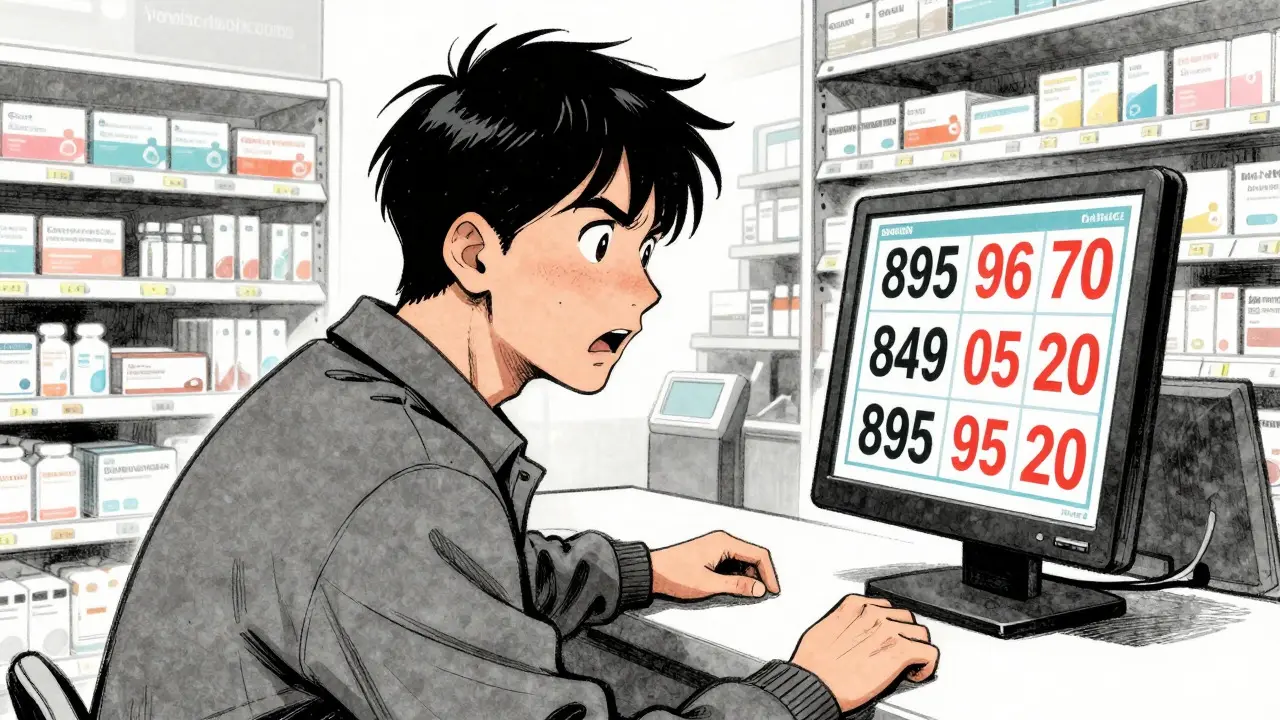
Imagine walking into your pharmacy, handing over a familiar prescription, and watching the price on the screen triple overnight. You haven't changed doctors. You haven't changed medications. But your insurance plan has quietly updated its formulary, which is the official list of prescription drugs covered by an insurance plan. This isn't a hypothetical nightmare; it's the reality for millions of patients as we move through 2025 and look toward 2026. Insurance companies and Pharmacy Benefit Managers (PBMs) are aggressively restructuring how they cover medications, pushing hard toward generic alternatives and biosimilars to cut costs.
If you rely on prescription medication, understanding these shifts is no longer optional-it's essential for protecting your health and your wallet. The landscape of drug coverage is changing faster than ever, driven by new federal laws and corporate strategies. Here is what you need to know about navigating these updates without getting caught off guard.
Why Your Coverage Is Changing Right Now
To understand why your copay jumped or why your doctor suddenly needs prior authorization, you have to look at the bigger picture. The primary driver behind recent formulary volatility is the Inflation Reduction Act (IRA), signed into law in 2022. While this law brought welcome relief in the form of a $2,000 annual out-of-pocket cap for Medicare Part D enrollees starting in 2025, it also fundamentally altered the incentives for insurance plans.
Previously, many plans relied on rebates from brand-name drug manufacturers to offset costs. The IRA shifted this dynamic. As noted by Dr. Richard Mendelson, a Senior Healthcare Analyst at Milliman, the benefit redesign has moved plans away from rebate-driven brand coverage toward cost containment through generics and biosimilars. In simpler terms, insurers are making more money when you take the cheapest effective option available. Consequently, we are seeing a surge in "non-medical switching," where insurers change your drug not because your condition changed, but because their financial model did. Data from healthcare attorney Scott Glovsky shows these insurer-driven changes increased by 23% year-over-year as of late 2024.
Understanding the New Cost Tiers
Formularies aren't just yes-or-no lists; they are tiered systems that dictate how much you pay. In 2025, the structure generally looks like this:
- Tier 1 (Preferred Generics): These are the most affordable options, with average copays ranging from $1 to $10. Insurers heavily favor these drugs.
- Tier 2 (Non-Preferred Generics & Preferred Brands): Expect an average copay around $47 here.
- Tier 3 (Non-Preferred Brands): These can run you an average of $113 per fill.
- Specialty Tier: For high-cost medications, you might face $113 flat fees or 25% coinsurance, depending on your specific plan.
The goal of PBMs like CVS Caremark, OptumRx, and Express Scripts is to push you down to Tier 1 whenever possible. If your current brand-name drug is moved to Tier 3 or excluded entirely, the financial pressure to switch to a generic equivalent becomes immediate. However, this isn't always a smooth transition. Some patients report significant disruptions, particularly with complex conditions like diabetes, where 42% of surveyed Medicare beneficiaries expressed worry about medication changes in late 2024.
Generic vs. Biosimilar: What Are You Actually Taking?
When your insurer suggests a switch, it usually falls into one of two categories: traditional generics or biosimilars. It is crucial to understand the difference.
Traditional generics are chemically identical copies of brand-name small-molecule drugs. If you've been taking a generic statin or blood pressure med for years, you're already comfortable with this concept. They are cheaper to produce and therefore cheaper for insurers to cover.
Biosimilars are different. They are highly similar versions of biological products-complex drugs made from living cells, often used for cancer, rheumatoid arthritis, or Crohn's disease. Because biological molecules are large and complex, they cannot be exact copies like traditional generics. Instead, they must be "highly similar" with no clinically meaningful differences in safety or efficacy.
In 2024 alone, the FDA approved 17 new biosimilars, a 34% increase from the previous year. This rapid growth means more opportunities for insurers to switch you. For example, CVS Caremark's 2025 formulary added specialty biosimilars like Kanjinti and Trazimera while excluding their brand counterparts, Herzuma and Ogivri. Many patients find this positive; one user on HealthUnlocked reported saving $450 monthly after switching from Humira to its biosimilar, Amjevita, with no noticeable drop in effectiveness. However, others remain cautious, especially regarding chronic disease management.
| Feature | Traditional Generics | Biosimilars |
|---|---|---|
| Chemical Structure | Identical to brand | Highly similar, not identical |
| Typical Use Cases | Pain, heart health, infection | Cancer, autoimmune diseases, diabetes |
| Insurer Preference | Mandatory substitution in most cases | Increasingly preferred, sometimes mandatory |
| Patient Savings Potential | Significant ($1-$10 copays) | Substantial (often hundreds per month) |
How to Spot Changes Before They Hit Your Wallet
You don't have to wait for the bill to arrive to know if your coverage has changed. By law, CMS mandates that insurers provide at least 60 days' advance notice for formulary changes affecting existing medications. There is a caveat: newly approved generics can be implemented with only 30 days' notice.
Your best defense is proactive monitoring. Between October and December each year, insurance plans release their Summary of Benefits and Coverage (SOC) and updated formularies for the coming year. This is your window of opportunity. Don't just skim the document. Look specifically for:
- Tier Reassignments: Has your current drug moved from Tier 2 to Tier 3?
- New Restrictions: Does your drug now require Prior Authorization (PA) or Step Therapy? PA means your doctor must prove medical necessity before the insurer pays. Step Therapy means you must try and fail on a cheaper drug first.
- Exclusions: Is your drug completely removed from the list?
If you see a red flag, act immediately. Contact your pharmacist-they are experts in formulary navigation and can often spot cheaper therapeutic alternatives that work just as well. Then, talk to your doctor. If the switch isn't medically appropriate, your doctor can file an exception request.
Fighting Back: How to Request Exceptions
If a formulary update threatens your health or budget, you have recourse. The process involves filing a coverage exception. According to 2024 CMS data, there is an 82.3% approval rate for tiering exceptions (where you want to keep a higher-tier drug due to medical reasons). However, approvals for completely excluded drugs drop to just 47.1%. Timing matters here.
You can submit a standard exception request, which is processed within 72 hours, or an expedited request if waiting would seriously jeopardize your life or health, which gets a decision within 24 hours. Be prepared for delays; Cigna's member survey revealed that while 73% of members successfully obtained exceptions, 38% waited 10-14 days for resolution, leading to dangerous medication interruptions.
To strengthen your case, ensure your doctor provides clear clinical documentation explaining why the generic or alternative fails for your specific body chemistry or history. Vague statements won't cut it; specific medical evidence does.
Looking Ahead: The 2026 Shift
As we approach 2026, the rules are tightening further. The Medicare Drug Price Negotiation Program (MDPNP), a key component of the IRA, will require all Part D formularies to cover negotiated drugs starting January 1, 2026. This includes high-profile medications like Stelara, Prolia, and Xolair. While this ensures access, it also signals that the government and insurers are working in tandem to control prices, likely through continued pressure on manufacturers and aggressive promotion of lower-cost alternatives.
Milliman projects that by 2026, 65% of formularies will implement mandatory generic substitution policies for all non-protected classes where biosimilars exist. Protected classes-such as antidepressants, antipsychotics, and HIV/AIDS drugs-are shielded from some of these aggressive restrictions, but everything else is fair game. Additionally, the elimination of the "donut hole" means you'll pay consistently until you hit the catastrophic threshold ($8,000 in 2025), but insurers may respond by raising premiums or restricting formularies even further to balance their books.
Practical Tips for Managing the Transition
Navigating this system feels like part-time work, but a few habits can save you headaches:
- Review Annually: Make it a New Year's resolution to check your formulary in November. Set a calendar reminder.
- Ask About Biosimilars: If you're on a high-cost biologic, ask your doctor if a biosimilar is an option. It might save you hundreds without sacrificing care.
- Use Patient Assistance Programs: If your drug is excluded and exceptions fail, check if the manufacturer offers copay cards or assistance programs, though note that these often don't count toward your out-of-pocket maximums in Medicare.
- Keep Records: Save all correspondence with your insurer regarding exceptions. If a denial seems unjust, you have the right to appeal, and paper trails help.
The shift toward generics and biosimilars is here to stay. It’s driven by economics, regulation, and a genuine desire to lower healthcare costs. But for you, the patient, it requires vigilance. Stay informed, communicate openly with your care team, and never accept a sudden price hike without asking questions. Your health deserves stability, even when the insurance market doesn't offer it.
What is a formulary update and why does it matter?
A formulary update is a change to the list of prescription drugs covered by your insurance plan. It matters because it can change your copay amounts, add requirements like prior authorization, or exclude your current medication entirely, potentially increasing your costs or disrupting your treatment.
How much notice do I get before my drug coverage changes?
CMS requires insurers to provide at least 60 days' advance notice for formulary changes affecting existing medications. However, for newly approved generics, the notice period can be as short as 30 days.
What is the difference between a generic and a biosimilar?
Traditional generics are chemically identical copies of brand-name small-molecule drugs. Biosimilars are highly similar versions of complex biological drugs made from living cells. They are not exact copies but must have no clinically meaningful differences in safety or effectiveness.
Can I appeal if my insurance denies coverage for my preferred drug?
Yes. You can file a coverage exception request. Standard requests are processed within 72 hours, while expedited requests for urgent needs are handled within 24 hours. In 2024, 82.3% of tiering exceptions were approved, though exclusions are harder to overturn.
What major changes are happening in 2026 for Medicare Part D?
Starting January 1, 2026, the Medicare Drug Price Negotiation Program (MDPNP) will require plans to cover negotiated drugs like Stelara and Prolia. Additionally, projections suggest 65% of formularies will implement mandatory generic substitution policies where biosimilars are available.
Are there any drugs protected from being switched to generics?
Yes, CMS mandates "protected classes" that cannot be restricted via step therapy or prior authorization. These include antidepressants, antipsychotics, anticonvulsants, immunosuppressants, HIV/AIDS drugs, and statins. However, other classes are frequently subject to generic switching.