Safe Medication Disposal Guide
Step 1: What type of medication is it?
Select the category that best matches your medication.
Step 2: Is this a high-risk drug?
The FDA has a specific "Flush List" for dangerous opioids. Do you have one of these?
Step 3: Where are you located?
Do you have access to a pharmacy, police station, or drop-off kiosk nearby?
Result Title
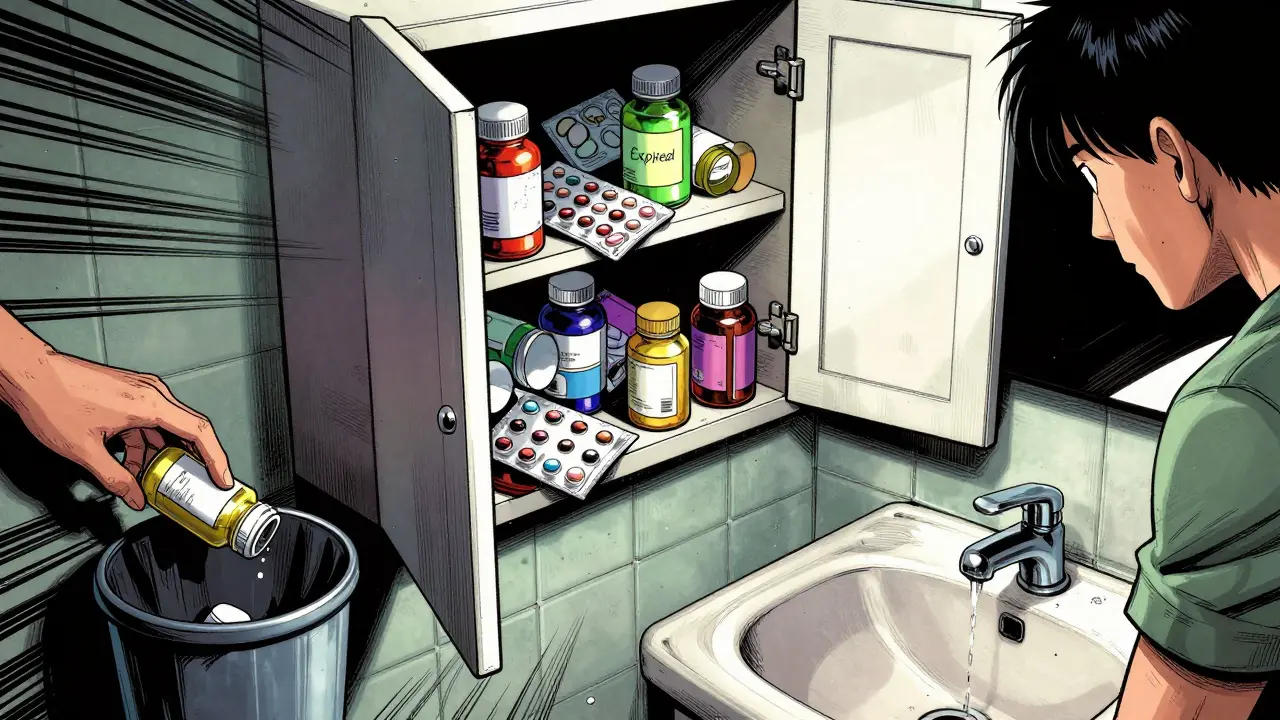
You look into your bathroom cabinet and see a bottle of painkillers from three years ago. Or maybe it’s an antibiotic you never finished. It’s tempting to just toss them in the trash or wash them down the sink. But here is the hard truth: throwing pills in the garbage can lead to accidental poisoning or drug misuse, while flushing them pollutes our water supply. The U.S. Food and Drug Administration (FDA) is the federal agency responsible for protecting public health by ensuring the safety, efficacy, and security of human and veterinary drugs. They have specific rules on how to handle this problem.
Disposing of medications correctly isn't just about cleaning out your cabinet; it is a critical step in preventing overdose deaths and environmental damage. With billions of prescriptions dispensed annually, getting rid of unused drugs safely is a shared responsibility. This guide breaks down exactly what the FDA says you should do, where to find take-back spots, and when (if ever) you should actually flush a pill.
The Best Way: Drug Take-Back Programs
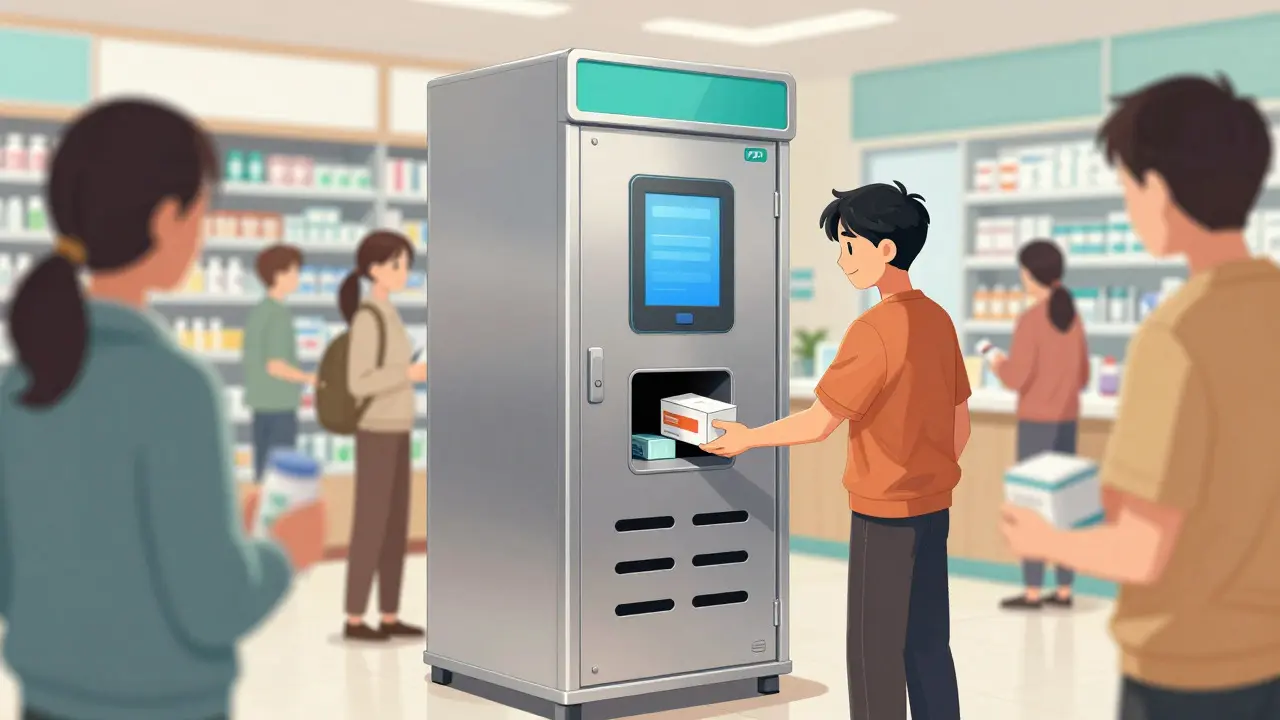
If you want to dispose of your old meds safely, the gold standard is a drug take-back program. These are collection sites where you can drop off unused or expired medications for secure destruction. The FDA recommends this method for 99.9% of all medications because it keeps drugs out of landfills and waterways while preventing theft or accidental ingestion by children or pets.
You don’t need to wait for a special event to use these services anymore. Thanks to the Secure and Responsible Drug Disposal Act of 2010, permanent collection sites are now common. As of early 2025, there are over 14,000 authorized collectors across the United States. You will often find these at:
- Retail Pharmacies: Major chains like CVS, Walgreens, and Walmart usually have locked kiosks in their lobbies.
- Law Enforcement Agencies: Police stations and sheriff’s offices frequently host drop boxes.
- Hospitals and Clinics: Many healthcare facilities accept returns during business hours.
The process is simple. You walk in, put your pills (still in their original containers or loose) into the kiosk, and leave. No questions asked. No ID required. This anonymity encourages people to get rid of dangerous opioids without fear of legal trouble. According to recent data, these programs collected over one million pounds of medication in a single national take-back day in late 2024 alone.
What If There Is No Drop Box Nearby?
Not everyone lives near a pharmacy or police station. If you are in a rural area or simply can’t make it to a collection site, you have two other options approved by the FDA: mail-back envelopes and home disposal. Let’s look at both.
Mail-Back Envelopes
This is a great middle-ground option. Several companies offer prepaid, tamper-evident envelopes specifically designed for shipping pharmaceutical waste. You buy these envelopes online or sometimes get them from your pharmacist. You seal your meds inside, stick a stamp on it (if not prepaid), and drop it in any mailbox.
These envelopes meet strict U.S. Postal Service standards for hazardous materials. Companies like DisposeRx and Sharps Compliance are popular choices. While they cost a few dollars each, they ensure your meds are incinerated professionally. This is especially useful if you live far from a take-back site but want better security than throwing things in the trash.
Home Disposal (The Trash Method)
If neither take-back nor mail-back is an option, you can throw your meds in the household trash-but only if you do it right. Just tossing a bottle of pills in the bin is risky. A curious child or pet could dig them up. Here is the exact procedure the FDA outlines for non-flushable medications:
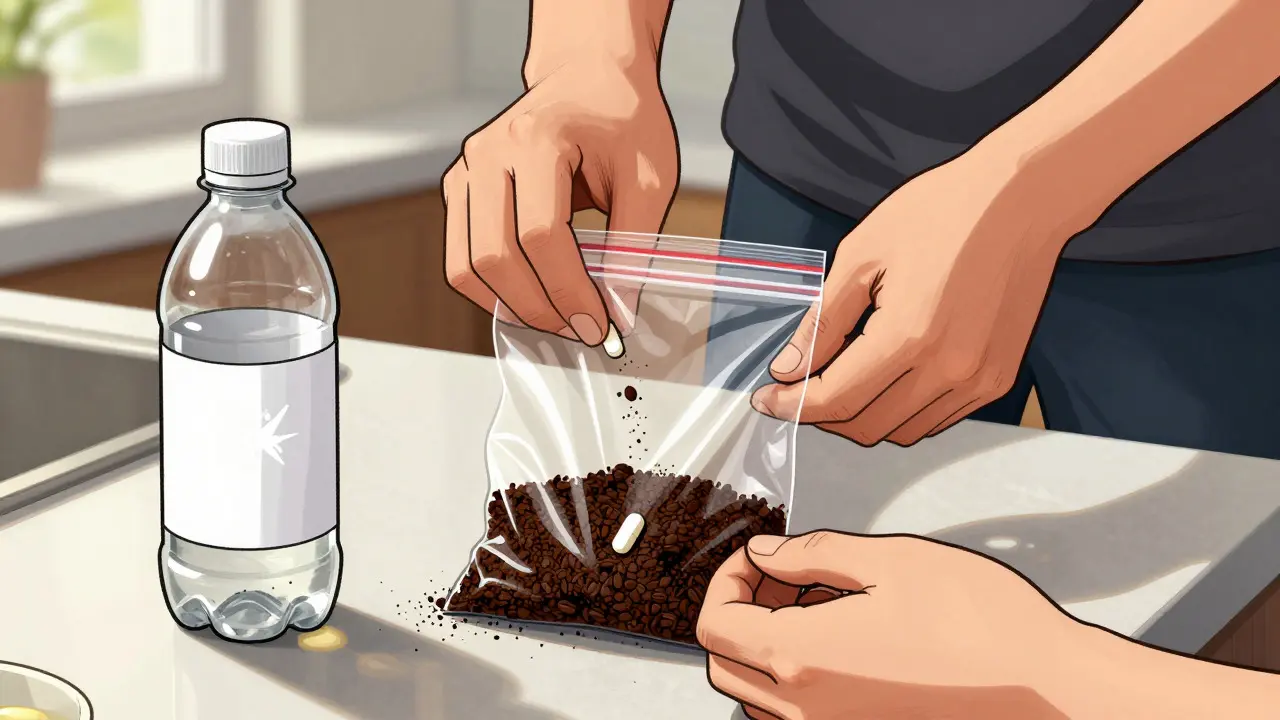
- Remove Personal Info: Scratch out or peel off your name and prescription number from the bottle label. This protects your privacy.
- Mix with Unpalatable Substance: Take the pills out of the bottle. Mix them with something gross, like used coffee grounds, cat litter, or dirt. Use a 1:1 ratio. This makes the meds less appealing if someone tries to eat them.
- Seal Tightly: Put the mixture into a sealed container. An old yogurt cup, a zip-top bag, or even the original pill bottle works if you close it tight. Make sure nothing leaks out.
- Trash It: Throw that sealed container into your regular household garbage.
- Recycle the Empty Bottle: Once the pills are gone and personal info is removed, you can recycle the empty plastic bottle according to local recycling rules.
This method takes about five minutes but drastically reduces the risk of misuse. Don’t skip the mixing step-it’s crucial for safety.
When Should You Flush Medication?
Here is where things get tricky. For years, we were told never to flush anything. However, the FDA maintains a specific "Flush List" containing 13 high-risk medications. These drugs are so potent and dangerous that if a take-back site isn’t readily available (defined as within 15 miles or 30 minutes travel time), you should flush them immediately.
| Drug Name | Common Brand Names | Why Flush? |
|---|---|---|
| Fentanyl | Actiq, Abstral, Fentora | Extremely potent opioid; tiny amounts can cause fatal overdose. |
| Oxycodone | Roxicodone, OxyContin | Highly addictive opioid with significant abuse potential. |
| Hydromorphone | Dilaudid | Strong opioid analgesic prone to diversion and misuse. |
| Methadone | Dolophine | Long-acting opioid used for pain and addiction treatment. |
| Buprenorphine | Suboxone, Subutex | Added to the list in October 2024 due to rising misuse trends. |
The Environmental Protection Agency (EPA) generally advises against flushing because pharmaceuticals can contaminate water supplies. However, for these specific 13 ingredients, the immediate risk of overdose outweighs the long-term environmental impact. If you have leftover fentanyl patches or strong painkillers, and no take-back box is nearby, flush them down the toilet. Then, rinse the bottle and throw it away.
Note that this rule applies to households. Hospitals and clinics face stricter regulations under the Resource Conservation and Recovery Act (RCRA) and are largely prohibited from flushing pharmaceuticals regardless of the drug type.
Why Proper Disposal Matters More Than Ever
It might seem like a small act, but how you dispose of your meds has real-world consequences. In 2022, over 70,000 people died from drug overdoses in the U.S. A significant portion of these involved prescription opioids found in home medicine cabinets. When you leave unused pills lying around, they become easy targets for teenagers experimenting or adults struggling with addiction.
Studies show that communities with more take-back locations see a measurable drop in adolescent drug misuse. By using a drop box or mail-back envelope, you are actively removing temptation from your home. Plus, you’re helping the environment. While flushing is rare for most drugs, improper trash disposal can leach chemicals into soil and groundwater over time. Proper containment prevents this leakage.
Common Mistakes to Avoid
Even well-meaning people mess up medication disposal. Here are the top errors to watch out for:
- Throwing Liquids Directly in Trash: Liquid antibiotics or cough syrups will spill. Always mix liquids with absorbent material like cat litter or paper towels before sealing them in a bag.
- Keeping Personal Info on Bottles: If you throw away a labeled bottle, you’re handing strangers your medical history. Always scratch out the details.
- Flushing Non-List Drugs: Unless it’s on the FDA’s short Flush List, don’t flush. Antibiotics, blood pressure meds, and antidepressants should go through take-back or trash methods.
- Waiting Too Long: Don’t let expired meds pile up for years. Set a calendar reminder every six months to check expiration dates and clean out your stash.
Finding a Take-Back Location Near You
You don’t need to guess where to go. The DEA provides a searchable database on their website called "Find a Collector." You can enter your zip code to see every authorized drop-off point within a certain radius. Many pharmacy apps also allow you to locate kiosks directly. If you are unsure whether a specific location accepts drops, call ahead-though most permanent sites operate 24/7 via kiosks.
Remember, taking action is the best part of this process. Whether you drive to a pharmacy, mail a package, or carefully prepare your trash bin, you are making your home safer and your community healthier. Don’t let those expired pills sit there gathering dust. Get rid of them today.
Can I donate my unused medications to a charity?
Generally, no. Most charities and shelters cannot accept opened or prescribed medications due to liability and safety concerns. Some specialized organizations may accept unopened, sealed medications that are still within their expiration date, but this is rare. Always check with the specific organization first. For most people, take-back programs are the safest and most accepted route.
Do I need to crush my pills before throwing them in the trash?
Crushing is not strictly required by the FDA, but it helps. The main goal is to make the medication unrecognizable and unappealing. Mixing whole pills with coffee grounds or cat litter achieves this effectively. If you do crush them, do it in a way that minimizes dust inhalation, and then mix the powder with the absorbent material before sealing.
Is it illegal to throw medications in the trash?
For households, it is not illegal to dispose of medications in the trash if done correctly (mixed and sealed). However, some local municipalities may have specific ordinances. Healthcare facilities face strict federal laws prohibiting improper disposal. Always follow the FDA's tiered approach: try take-back first, then mail-back, then trash.
What should I do with expired insulin or injectables?
Insulin pens and vials should be disposed of via take-back programs whenever possible. If you must use the trash method, place needles and syringes in a puncture-proof container like a hard plastic laundry detergent bottle. Seal it tightly, label it "Sharps," and throw it in the trash. Do not flush needles unless directed by local health authorities, as they can injure sanitation workers.
How often are National Prescription Drug Take-Back Days held?
These events are typically held twice a year, once in the spring (usually April) and once in the fall (usually October). On these days, law enforcement agencies across the country host free and anonymous collection events. However, since many pharmacies now have permanent kiosks, you can often drop off meds year-round without waiting for these specific dates.