
You might think you have plenty of time to sort out your health before getting pregnant. You probably assume that once the test turns positive, you’ll start seeing specialists and adjusting your routine. But here is the hard truth: by the time you know you are pregnant, the most critical window for your baby’s development has already passed. During weeks three through eight of gestation, every major organ in your body forms. This happens before many women even realize they are expecting. If you are taking medications that interfere with this process, the damage can occur before you ever schedule a prenatal appointment.
This is why creating a medication plan before conception is not just a suggestion-it is a vital safety step. Preconception planning involves reviewing, adjusting, and optimizing all pharmaceutical regimens to minimize risks while keeping your own health stable. It is a systematic approach backed by major health organizations like the American College of Obstetricians and Gynecologists (ACOG) and the World Health Organization (WHO). The goal is simple: protect the developing embryo from harmful exposures without compromising your ability to manage chronic conditions.
Why Timing Is Everything in Preconception Care
The human body does not wait for a calendar date to start building a life. Embryology dictates that the embryogenic period-weeks three to eight-is when the heart, brain, spine, and limbs take shape. This is a narrow window where the fetus is incredibly sensitive to external chemicals, including prescription drugs, over-the-counter remedies, and even some supplements.
Consider the statistics. According to ACOG Committee Opinion No. 762, nearly 45% of pregnancies in the United States are unintended. This means almost half of all expectant mothers did not have the chance to prepare their bodies for pregnancy. When medication adjustments happen after conception is confirmed, it is often too late to prevent certain congenital anomalies. Data from the Teratology Society shows that exposure to specific teratogenic drugs during this first trimester can increase the risk of birth defects by two to ten times, depending on the class of medication.
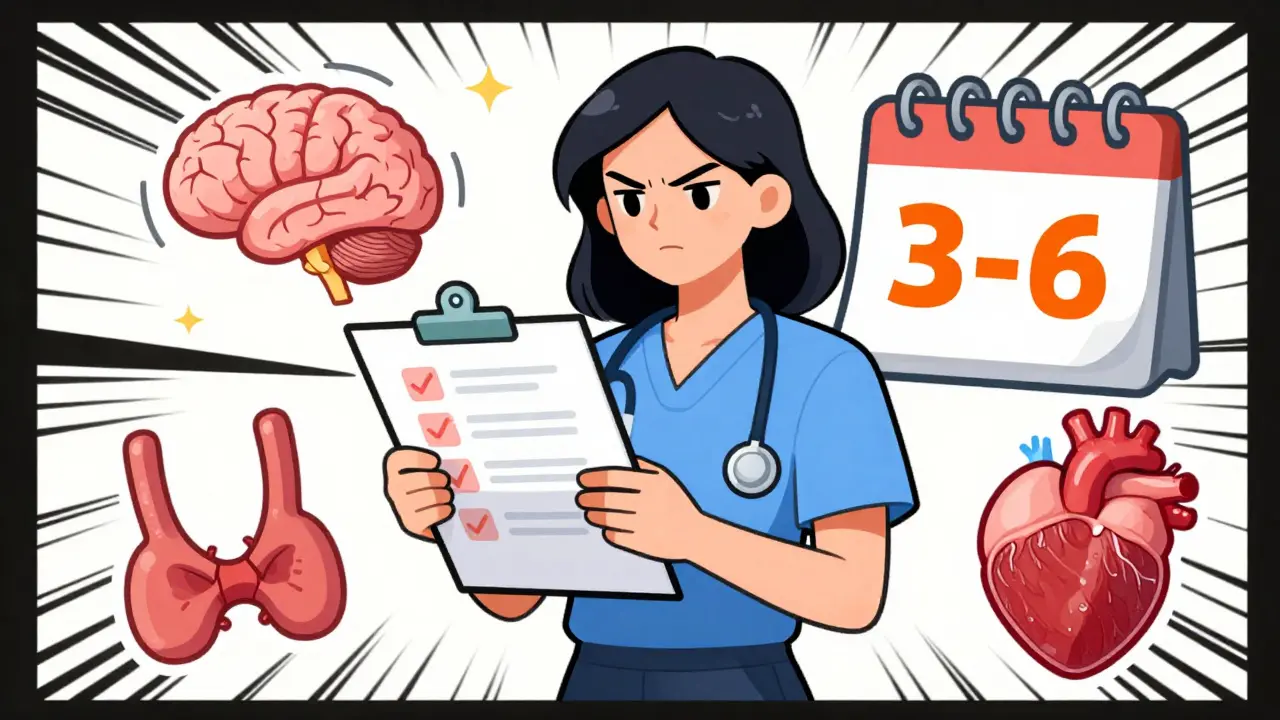
To give yourself and your future child the best start, experts recommend starting this process at least three to six months before you try to conceive. This timeline allows enough time for medications to clear your system, for new treatments to stabilize, and for your body to reach optimal health metrics. It transforms pregnancy from a reactive situation into a proactive, controlled environment.
Essential Supplements: Folic Acid and Beyond
Before we look at what to stop taking, let’s talk about what you need to start. Folic acid is the cornerstone of preconception care. It plays a direct role in preventing neural tube defects, such as spina bifida and anencephaly, which occur in the very first weeks of development.
For most women, the standard recommendation is 400 to 800 micrograms (mcg) daily. However, your needs might be higher based on your medical history. If you have epilepsy, diabetes, or obesity, or if you are taking certain anticonvulsants, you may need a much higher dose-typically 4 to 5 milligrams (mg) daily. This high-dose protocol is crucial because some medications, like valproic acid, significantly deplete folate levels and carry a higher baseline risk for neural tube defects. Without this extra supplementation, the risk jumps from a baseline of 0.1% to between 1% and 2%.
| Risk Category | Daily Dosage | Key Considerations |
|---|---|---|
| General Population | 400-800 mcg | Start at least one month before conception |
| High Risk (Epilepsy, Diabetes, Obesity) | 4-5 mg | Requires prescription; monitor blood levels |
| Previous Neural Tube Defect Pregnancy | 4-5 mg | Continue throughout first trimester |
Remember, consistency matters more than perfection. Take your supplement at the same time every day so you never miss a dose during those critical early weeks.
Managing Chronic Conditions: Seizures, Thyroid, and Autoimmunity
If you live with a chronic condition, stopping medication abruptly is rarely an option. In fact, uncontrolled disease poses a greater threat to pregnancy than many managed medications. The key is finding the safest balance. Let’s look at three common scenarios.
Seizure Disorders require careful coordination with a neurologist. Some anti-seizure medications, particularly valproic acid, are linked to high rates of major congenital malformations-up to 10.7% in some studies. Other drugs like topiramate increase the risk of oral clefts. The strategy here is monotherapy: using the single most effective drug at the lowest possible dose. If you are currently on multiple seizure meds, your doctor will work to simplify your regimen well before you get pregnant.
Thyroid Conditions are another critical area. Hypothyroidism during early pregnancy can increase miscarriage risk by 60%. Before conceiving, your thyroid-stimulating hormone (TSH) levels should be optimized to below 2.5 mIU/L. Once you confirm pregnancy, your body’s demand for thyroid hormone spikes immediately. Most women need a 30% increase in their levothyroxine dose right away. Having your levels checked preconception ensures you start from a stable baseline.
Autoimmune Diseases like lupus or rheumatoid arthritis often involve powerful immunosuppressants. Drugs like methotrexate and cyclophosphamide are strictly contraindicated due to high risks of spontaneous abortion and ovarian failure. Methotrexate, in particular, requires a washout period of at least three months-or three ovulatory cycles-before attempting conception. Your rheumatologist may switch you to safer alternatives like hydroxychloroquine or sulfasalazine, which are generally considered safe during pregnancy.

Blood Thinners and Blood Pressure: Navigating Risks
Conditions that affect blood flow require immediate attention in your medication plan. Warfarin, a common blood thinner, crosses the placenta and can cause fetal warfarin syndrome, leading to bone abnormalities and developmental issues. The risk is highest in the first trimester. If you rely on warfarin, your healthcare provider will likely transition you to low-molecular-weight heparin (LMWH), such as enoxaparin, which does not cross the placenta. This switch must happen by six weeks of gestation at the latest, but ideally before conception.
For high blood pressure, some medications are safe, while others are not. ACE inhibitors and ARBs, commonly prescribed for hypertension, are known to cause kidney damage and other severe defects in the fetus. These should be replaced with labetalol or methyldopa, which have long-established safety profiles in pregnancy. Do not make these changes on your own; sudden shifts in blood pressure control can lead to strokes or pre-eclampsia.
HIV Management and Viral Load Targets
If you are living with HIV, preconception planning is essential for both your health and your partner’s. Modern antiretroviral therapy (ART) has transformed the landscape, making it possible to have healthy babies with minimal transmission risk. The goal is to achieve viral suppression before conception. Guidelines from the American Society for Reproductive Medicine (ASRM) suggest aiming for a plasma viral load of less than 50 copies/mL. At this level, the risk of perinatal transmission drops from roughly 25% to less than 1%.
Your infectious disease specialist will review your current ART regimen to ensure it is compatible with pregnancy. Some older drugs may need to be swapped for newer agents with better safety data. Consistent adherence to your medication schedule is non-negotiable during this phase. Even brief lapses can allow the virus to rebound, jeopardizing the safety of the conception process.
Building Your Action Plan: Steps to Take Now
Creating a medication plan is not a one-time event; it is a structured workflow. Here is how to execute it effectively:
- Schedule a Preconception Consultation: Book an appointment with your primary care provider or OB/GYN specifically for preconception counseling. Use the ICD-10 code Z31.69 if needed to document this visit. Aim to do this at least six months before you stop contraception.
- List Every Substance: Bring a complete list of everything you take. This includes prescription drugs, over-the-counter pain relievers, herbal supplements, and vitamins. Many people forget that "natural" does not always mean safe. Some herbal remedies can stimulate uterine contractions or interfere with hormone production.
- Coordinate Specialists: If you have complex conditions, your primary doctor cannot work alone. Involve your neurologist, rheumatologist, endocrinologist, or infectious disease specialist early. For example, if you have seizures, involve your neurologist within two weeks of your initial preconception consult.
- Check Contraceptive Interactions: Some medications, like enzyme-inducing antiepileptics (e.g., carbamazepine), reduce the effectiveness of hormonal birth control. If you are still trying to avoid pregnancy while adjusting meds, use backup methods like condoms or copper IUDs to prevent accidental conception during the transition.
- Document and Follow Up: Keep a written record of your medication changes. Set reminders for follow-up labs, such as TSH tests or vitamin D levels. Reassess your plan every few months until you are ready to conceive.
Technology can also help. Digital tools like Luma Health’s Preconception Navigator use AI to cross-reference medications against teratogenicity databases, offering instant insights into potential risks. While these apps are helpful, they do not replace professional medical advice. Always verify app recommendations with your doctor.
Overcoming System Barriers
We have to acknowledge that accessing this care isn’t easy for everyone. Fragmented healthcare systems often leave women falling through the cracks. Studies show that only 38% of reproductive-aged women with chronic conditions receive documented preconception medication reviews. Many doctors lack access to teratogen information specialists, and standard 15-minute appointments simply aren’t enough for comprehensive reviews.
If you feel your concerns are being dismissed, advocate for yourself. Ask direct questions: “Is this medication safe for pregnancy?” “What is the washout period?” “Are there safer alternatives?” Seek second opinions if necessary. In integrated health systems like Kaiser Permanente, preconception review rates are much higher (67%), suggesting that coordinated care makes a difference. If you are in a fee-for-service setting, consider seeking out clinics that specialize in maternal-fetal medicine or preconception health.
Remember, you are not asking for special treatment. You are requesting standard of care. The goal is to reduce the 8,000 to 10,000 major birth defects that could potentially be prevented annually in the US through better medication planning. Your proactive steps contribute to that larger picture of public health.
How long before trying to conceive should I adjust my medications?
Ideally, you should begin the process 3 to 6 months before conception. This allows time for medication washout periods (such as the 3-month requirement for methotrexate), stabilization on new drugs, and optimization of nutrient levels like folic acid. Starting early ensures your body is in the best possible state during the critical embryogenic period.
Can I continue taking my antidepressants while trying to get pregnant?
Many antidepressants, particularly SSRIs like sertraline, are considered relatively safe during pregnancy. However, the decision depends on your individual history and severity of depression. Untreated mental health conditions pose significant risks to both mother and baby. Never stop psychiatric medications abruptly; consult your psychiatrist and OB/GYN to create a tailored plan that balances mood stability with fetal safety.
What if I accidentally took a unsafe medication before I knew I was pregnant?
Do not panic. Contact your healthcare provider immediately to discuss the specific drug, dosage, and timing. Many exposures result in no harm, especially if they occurred very early. Your doctor may recommend additional monitoring, such as detailed ultrasounds, to check for any developmental issues. Avoiding further exposure is the next critical step.
Are herbal supplements safe during preconception?
Not necessarily. Herbal supplements are not regulated as strictly as prescription drugs and can contain active compounds that affect hormones or organ development. Some herbs may interact with fertility medications or cause uterine stimulation. Always disclose all herbal products to your doctor and discontinue those that lack established safety data for pregnancy.
Does age affect my preconception medication plan?
Yes. Women over 35 face higher risks for chromosomal abnormalities and pregnancy complications. Preconception counseling for older adults often includes more rigorous screening for chronic conditions like hypertension and diabetes. Optimizing medication management in this group can reduce age-related complication risks by up to 22%, according to NICHD data.