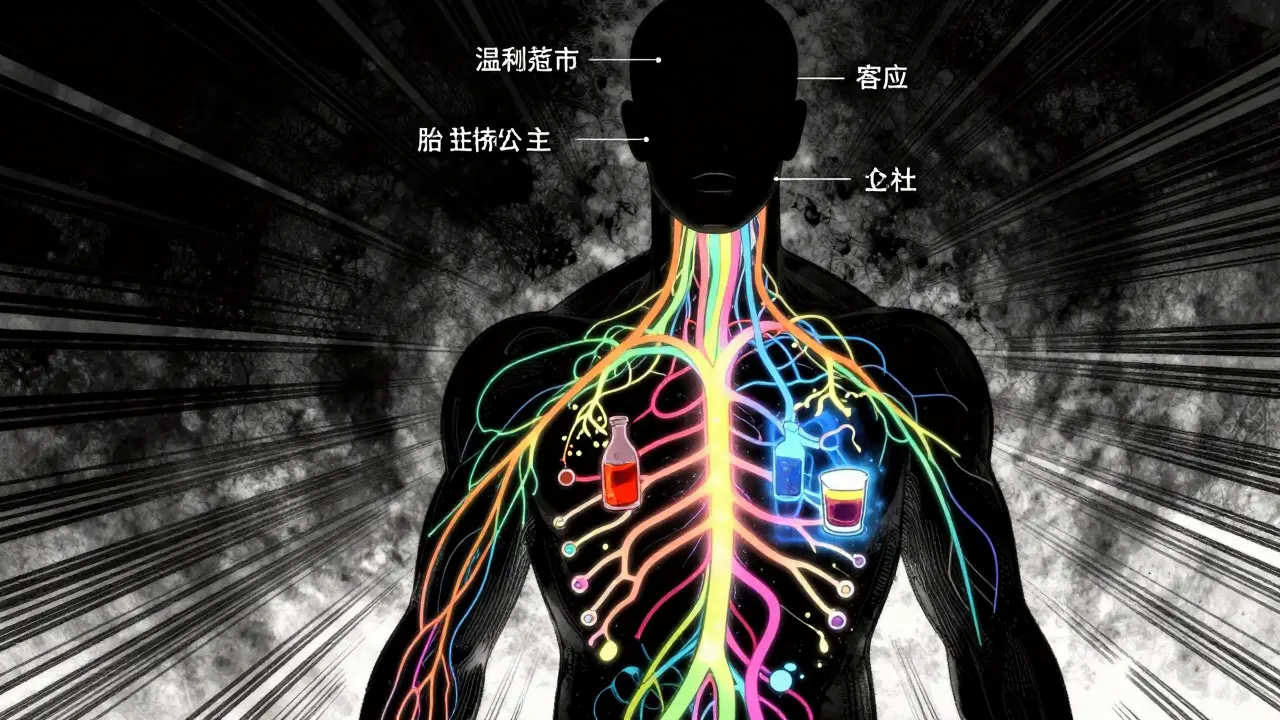
You might think you know exactly what is in your system. You take your prescribed painkiller, maybe a pill for anxiety, and perhaps a glass of wine after dinner. It feels manageable. But this combination creates a silent trap. According to the National Harm Reduction Coalition, roughly 75% of opioid-related overdoses involve polydrug use-meaning more than one substance was in the person’s body. The danger isn't just in taking too much of one drug; it is in how different drugs talk to each other inside your brain and lungs.
Checking for these interactions isn't about judgment or policing your habits. It is about survival. With over 107,000 overdose deaths reported in the U.S. in 2023, understanding how substances mix is the single most effective way to stay safe. This guide breaks down how to identify dangerous combinations, why standard checks often fail, and what you can do right now to protect yourself or a loved one.
The Science Behind Dangerous Mixes
To understand the risk, you have to look at the Central Nervous System (CNS). Your CNS controls breathing, heart rate, and consciousness. Certain drugs are called "depressants" because they slow these functions down. When you combine two or more depressants, they don't just add up; they multiply their effect. This is called synergy.
Consider this scenario: You take an opioid for back pain. On its own, it slows your breathing slightly. You then take a benzodiazepine (like Xanax) for stress. Alone, it relaxes your muscles and calms your mind. Together? A study published in JAMA Internal Medicine in 2022 found that combining opioids with benzodiazepines increases the risk of death by 10.3 times compared to using opioids alone. Add alcohol to the mix, and the risk of respiratory depression jumps by another 67%, according to NIH research from 2021. Your brain forgets to tell your lungs to breathe, and your body shuts down.
| Substance Combination | Risk Multiplier / Impact | Primary Danger |
|---|---|---|
| Opioids + Benzodiazepines | 10.3x increased mortality risk | Severe respiratory failure |
| Opioids + Alcohol | 67% increased respiratory depression | Slowed breathing, unconsciousness |
| Opioids + Muscle Relaxants | Significant CNS suppression | Sedation, inability to wake up |
| Stimulants (e.g., Cocaine) + Opiids | Cardiac strain + Respiratory stop | Heart attack masked by sedation |
Why Digital Tools Often Miss the Mark
Most people start by looking online. Tools like the FDA's Drug Interaction Checker or Medscape are powerful resources. They cover over 1,200 medications and update monthly. However, there is a massive blind spot. These databases only know about prescription and over-the-counter drugs. They do not know about illicit substances.
Dr. Wilson Compton, Deputy Director of the National Institute on Drug Abuse (NIDA), pointed out in a 2023 commentary that current digital tools miss 78% of dangerous interactions involving illicit fentanyl analogs. If you are checking an app for interactions between Vicodin and Tylenol, it won't warn you if you also used cocaine that was laced with fentanyl. In fact, SAMHSA data shows that 63% of dangerous interactions occur with substances that digital tools cannot see.
This creates a false sense of security. You check the app, see "No Major Interactions," and proceed. But if you are using street drugs, sharing pills, or taking medications not prescribed to you, the app is useless. Real safety requires looking beyond the bottle labels.
The Human Element: Asking the Right Questions
If apps fall short, human conversation is the next best tool-but only if done correctly. Standard medical questions often fail because they invite denial. Asking "Are you taking any other medications?" usually results in a "No," even if the patient is using alcohol or recreational drugs. This is known as underreporting.
A 2022 study in the journal Addiction found that changing the question changes the outcome. Instead of asking about "medications," ask: "Do you ever take medicines not prescribed for you?" Or better yet, be specific: "Do you drink alcohol when you take your pain pills?" Or, "Have you used any 'downers' like Valium or Xanax recently?" This approach increased disclosure rates by 52%. People are more likely to admit to drinking or using non-prescribed pills if the question feels direct rather than accusatory.
Harm reduction organizations use a tool called the "Overdose Risk Assessment Card." It lists 23 common substances-not by their chemical names, but by what people actually call them. It asks, "Have you used any of these in the last week?" This removes the stigma of medical jargon and gets honest answers. For individuals without healthcare access, the National Harm Reduction Coalition offers a free "Overdose Risk Self-Check" tool with 10 validated questions that achieve 88% accuracy in identifying high-risk behaviors.
Hidden Risks: Tolerance and Abstinence
Drug interactions aren't just about mixing two pills today. They are also about your body's history. One of the biggest killers is lost tolerance. If you stop using opioids for even a few days-whether due to jail time, hospitalization, or simply running out-your tolerance drops significantly. Research indicates tolerance decreases by 30-50% within 72 hours of abstinence.
If you resume using the same dose you took before your break, your body can no longer handle it. This is effectively an acute overdose interaction between your current dose and your lowered physiological threshold. Combine this with any other depressant, and the margin for error disappears entirely.
Another hidden factor is method of administration. Injecting drugs increases overdose risk by 300% compared to oral use because the substance hits the brain instantly, overwhelming the system before the body can react. Understanding these variables is part of checking your risk level.
Practical Steps to Protect Yourself Today
You don't need a degree in pharmacology to stay safe. Here is a practical checklist based on CDC guidelines and harm reduction best practices:
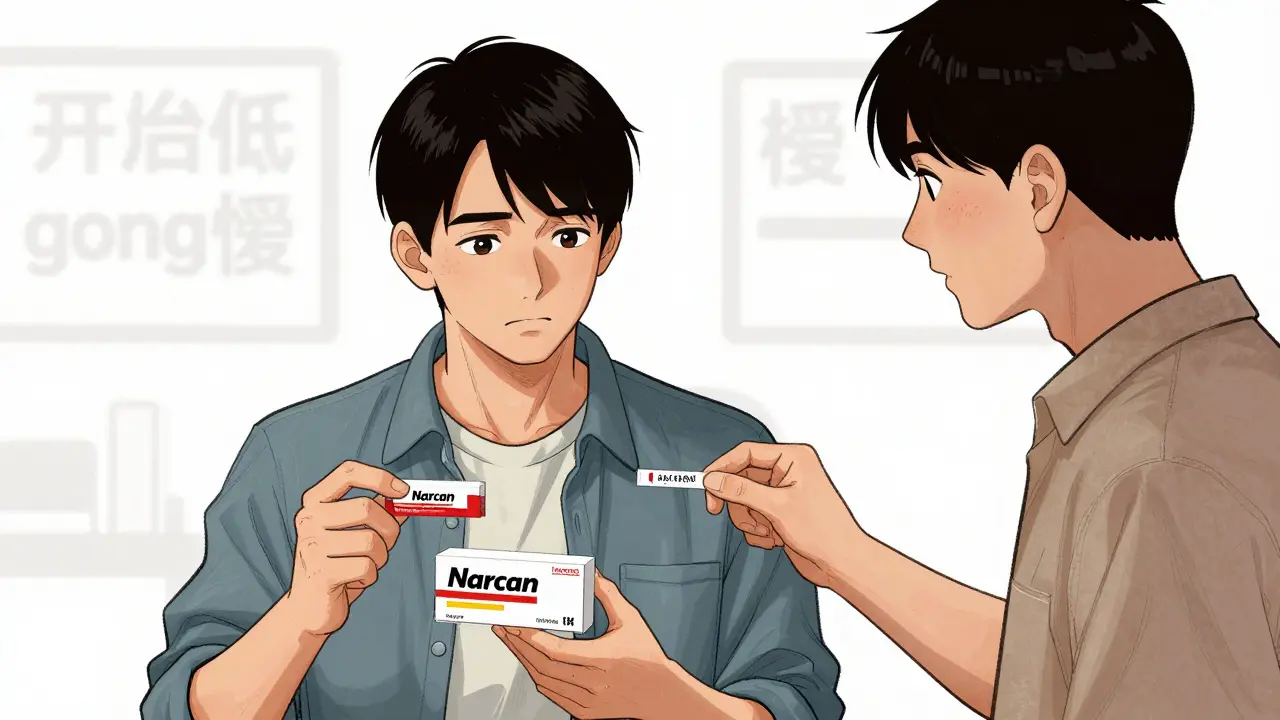
- Get Naloxone (Narcan): This is non-negotiable. Naloxone reverses opioid overdoses. It is available without a prescription in many states and through community programs. Keep it accessible.
- Use Fentanyl Test Strips: Since digital tools can't detect illicit contamination, test strips are your physical defense. They can detect fentanyl in heroin, cocaine, and methamphetamine. Organizations like the National Harm Reduction Coalition distribute these widely.
- Avoid Mixing Depressants: Never mix opioids with alcohol, benzodiazepines (Xanax, Valium, Klonopin), or muscle relaxers. If you must take multiple medications, stagger them and consult a pharmacist specifically about CNS depression risks.
- Start Low, Go Slow: After any period of abstinence, reduce your dose by half or more to test your tolerance.
- Never Use Alone: Have someone nearby who knows what you are taking and can call 911 and administer naloxone if needed. Services like Narcan Now allow you to call a hotline that stays on the line while emergency services are dispatched.
- Be Honest with Providers: Tell your doctor about all substances, including alcohol and recreational drugs. Frame it as a safety concern: "I want to make sure my prescription doesn't interact with anything else I'm using." Doctors are bound by confidentiality and are more interested in keeping you alive than judging you.
When to Seek Immediate Help
If you or someone else experiences extreme drowsiness, confusion, slow or stopped breathing, blue or purple lips/fingernails, or cannot be awakened, treat it as an overdose immediately. Call 911, administer naloxone if available, and perform rescue breathing if trained. Good Samaritan laws in most U.S. states protect those calling for help during an overdose from minor drug possession charges.
Can I check for drug interactions myself without a doctor?
Yes, but with limitations. You can use online tools like the FDA Drug Interaction Checker or MedlinePlus for prescription medications. However, these tools will not account for illicit drugs, alcohol, or supplements. For a complete picture, you must manually cross-reference your use of all substances, especially CNS depressants like alcohol and benzodiazepines, against your prescriptions.
What are the most common drug combinations that cause overdoses?
The most lethal combination is opioids mixed with benzodiazepines (such as Xanax or Valium) or alcohol. These are all central nervous system depressants. When combined, they severely slow down breathing and heart rate. Another dangerous mix involves stimulants (like cocaine) and opioids, which puts immense strain on the heart while simultaneously suppressing breathing.
Does stopping drug use for a few days increase overdose risk?
Yes, significantly. Tolerance to opioids drops by 30-50% within 72 hours of abstinence. If you return to your previous dosage after a break, your body may not be able to handle it, leading to an accidental overdose. Always reduce your dose if you have been away from a substance for more than a few days.
Are online drug interaction checkers accurate for street drugs?
No. Online checkers only contain data on approved pharmaceuticals. They cannot detect fentanyl analogs, synthetic opioids, or other contaminants found in illicit drug supplies. Experts note that digital tools miss up to 78% of dangerous interactions involving illicit substances. Physical test strips and honest self-assessment are necessary for street drugs.
How can I talk to my doctor about my drug use without fear of judgment?
Frame the conversation around safety. Say, "I am concerned about interactions between my prescription and other substances I use." Most doctors prioritize your health over judgment. Be specific about what you are taking, including alcohol and non-prescribed medications. If you feel unsafe, consider seeking care at a harm reduction clinic or a provider specializing in addiction medicine.