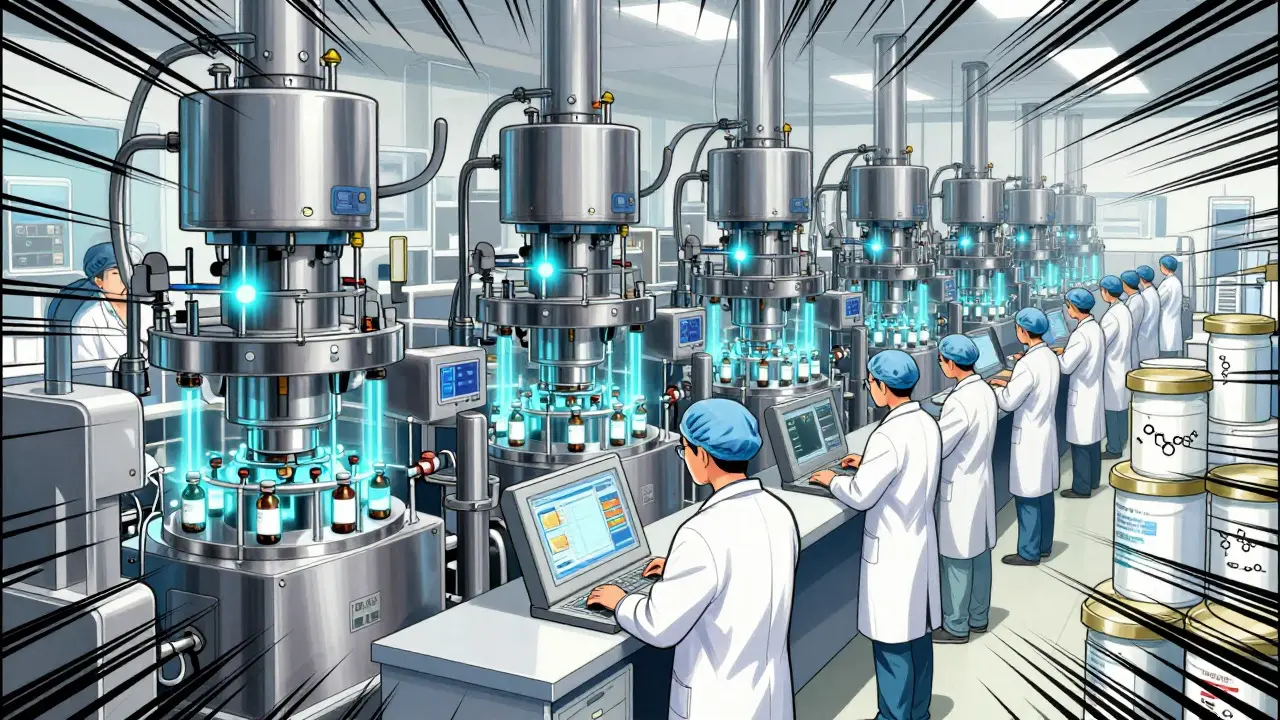
Most of the generic pills you pop for high blood pressure or cholesterol are made thousands of miles away from your home. In fact, about 90% of U.S. prescriptions for generics come from overseas factories, with India and China leading the pack. For decades, this supply chain operated under a regulatory system that many experts argued was uneven. Domestic factories faced surprise inspections, while foreign facilities often got weeks of warning. That changed in 2025.
If you rely on affordable medication, understanding how the U.S. Food and Drug Administration (FDA) oversees these foreign plants is no longer just an academic exercise-it’s a matter of public health. The agency has overhauled its approach to close a significant gap in enforcement. Here is what you need to know about the current standards, the recent crackdown, and what it means for drug safety.
The Basics of Foreign Generic Manufacturing
To understand the oversight, you first have to look at the scale. The global market for generic drugs is massive, valued at roughly $150 billion annually. The United States imports approximately 80% of its active pharmaceutical ingredients (APIs) and 40% of finished drug products. Without these imports, the U.S. healthcare system would face immediate shortages.
Generic drugs must be bioequivalent to their brand-name counterparts. This means they deliver the same amount of active ingredient into the patient's bloodstream in the same amount of time. However, bioequivalence doesn't automatically guarantee quality during production. That’s where manufacturing standards come in.
The primary standard governing all drug production in the U.S., regardless of location, is Current Good Manufacturing Practices (cGMP). These rules mandate rigorous quality systems. Manufacturers must monitor every step of production, conduct in-process testing, and keep meticulous documentation. If a factory in Mumbai or Shanghai wants to sell to Americans, it must follow the exact same cGMP rules as a plant in New Jersey.
The Old System: A Double Standard?
Until recently, the theory of equal standards clashed with the reality of enforcement. The FDA conducted about 12,000 inspections domestically each year. Crucially, most of these were unannounced. Inspectors showed up without warning, catching facilities in their natural state.
In contrast, the agency performed only about 3,000 inspections abroad across more than 90 countries. Historically, these foreign inspections came with 8 to 12 weeks of advance notice. This window allowed facilities to clean up, hire temporary staff, or even falsify records to appear compliant. The result? Data from 2024 showed that 45% of foreign inspections uncovered serious deficiencies, including data integrity issues and failures to meet basic cGMP standards. Compare that to domestic facilities, where violation rates for similar issues were significantly lower.
This discrepancy sparked intense scrutiny. Critics pointed out that the system relied too heavily on manufacturer self-policing. When inspectors arrived prepared, they often found a facade rather than the truth. High-profile cases, such as the investigation into Sun Pharma in India, highlighted the risks. The FDA had banned a facility in 2021 due to quality violations, yet later allowed certain drugs from that same site to enter the U.S. market. Such incidents fueled congressional anger and public distrust.
The 2025 Shift: Unannounced Inspections Become the Norm
The turning point came in May 2025. Following pressure from Senators Kirsten Gillibrand and Tim Scott, and driven by an Executive Order signed earlier that month, FDA Commissioner Marty Makary announced a major policy shift. The goal was simple: eliminate the inspection disparity between domestic and foreign facilities within 18 months.
Under the new framework, the FDA aims to increase unannounced foreign inspections from roughly 15% to at least 50% of all foreign inspections by the second quarter of 2026. This means factories can now expect inspectors to show up with as little as 24 to 48 hours' notice. Refusal to allow entry can trigger import alerts, effectively blocking all products from that facility from entering the U.S.
This change forces transparency. As Commissioner Makary stated, unannounced inspections help expose bad actors who might otherwise falsify records or conceal violations. It shifts the burden from preparation to consistent compliance.
| Feature | Domestic Facilities (Historical) | Foreign Facilities (Pre-2025) | Foreign Facilities (Post-2025 Policy) |
|---|---|---|---|
| Notice Period | None (Unannounced) | 8-12 Weeks | 24-48 Hours (Target: 50% of inspections) |
| Annual Volume | ~12,000 | ~3,000 | Increasing (Goal: Parity with domestic rigor) |
| Violation Rate (Data Integrity) | 17.2% | 38.7% | Projected to decrease with stricter enforcement |
| Enforcement Action | Immediate Warning Letters/Form 483 | Often delayed or negotiated | Stricter Import Alerts upon refusal |

How Inspectors Check Compliance
When FDA investigators arrive at a facility, whether in Ohio or Gujarat, they follow a strict protocol. They examine personnel training logs, equipment maintenance records, contamination control procedures, and quality control testing methods. If they find conditions that may violate the Federal Food, Drug, and Cosmetic Act, they document them on Form 483.
Key areas of focus include:
- Data Integrity: Are records authentic, complete, and contemporaneous? Investigators look for signs of backdating or selective reporting.
- Contamination Control: Is the environment sterile enough? Cross-contamination between different drugs is a major risk in generic manufacturing.
- Equipment Calibration: Are machines regularly serviced and calibrated to ensure precise dosing?
- Personnel Training: Do workers understand cGMP requirements, or are they following outdated practices?
The European Union uses a different model that some U.S. experts advocate adopting. The EU requires an independent "Qualified Person" located in Europe to certify each batch meets GMP standards before release. Brookings Institution researchers have suggested that the U.S. could adapt this by requiring importers to designate a qualified individual who verifies each batch. Currently, the FDA relies more on the inspection process itself rather than a designated certifier at the importer level.
Impact on Manufacturers and Supply Chains
The shift to unannounced inspections has sent shockwaves through the industry. Pharmaceutical manufacturers in India and China reported receiving warning letters in early 2025 for serious deviations from cGMP. A survey by the Parenteral Drug Association found that 68% of foreign manufacturers believe the new policy will increase compliance costs by 15-25%. Smaller facilities are particularly vulnerable, lacking the resources to maintain constant readiness.
Industry analysts warn that increased inspection frequency could initially disrupt supply chains. Evaluate Pharma projects that short-term disruptions might affect 15-20% of generic drug availability as facilities scramble to comply. However, long-term projections suggest that implementing stricter oversight could reduce foreign facility violations by 30-40%, ultimately improving safety.
To prepare, experts recommend that foreign facilities conduct mock inspections quarterly, update training protocols daily, and maintain real-time compliance documentation. The Generic Pharmaceutical Association noted that 42% of member companies with foreign operations had already implemented additional quality assurance measures following the May 2025 announcement.
What This Means for Patients
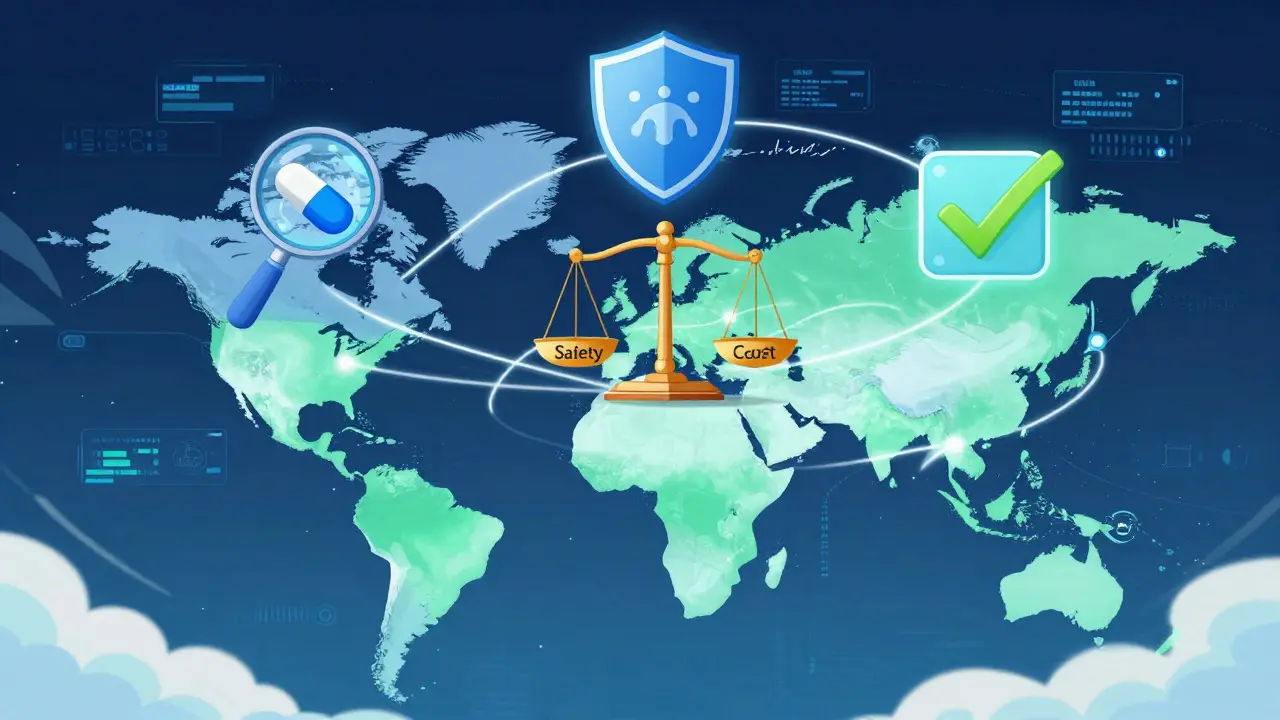
For patients, the bottom line is improved safety. The previous system allowed substandard drugs to slip through cracks due to lax enforcement. With unannounced inspections becoming the norm, the likelihood of contaminated or mislabeled generics reaching pharmacy shelves decreases significantly.
However, there are potential trade-offs. Stricter oversight may lead to higher production costs, which could eventually translate to slightly higher prices for generic medications. Additionally, short-term supply interruptions might occur as non-compliant facilities are shut down or forced to retool. Yet, compared to the risk of taking ineffective or harmful medication, these adjustments are necessary.
The FDA is also expanding its workforce to support this initiative. The Office of Inspections plans to hire 200 additional foreign inspection specialists by 2026, boosting international capacity by 40%. This investment signals a long-term commitment to closing the oversight gap.
Looking Ahead: International Cooperation
Drug manufacturing is a global endeavor, and so is regulation. The FDA has strengthened ties with other major regulators, including the European Medicines Agency (EMA), Japan’s Pharmaceutical and Medical Devices Agency (PMDA), and Australia’s Therapeutic Goods Administration (TGA). Through Mutual Recognition Agreements, these agencies share inspection findings, reducing redundant checks and increasing global consistency.
As the world moves toward tighter integration of pharmaceutical supply chains, the U.S. model of unannounced inspections may influence global standards. Other nations may adopt similar measures to protect their citizens, creating a more robust international safety net.
Are generic drugs from foreign countries safe?
Yes, when properly regulated. Generic drugs must meet the same bioequivalence and quality standards as brand-name drugs. While past oversight gaps raised concerns, the FDA’s 2025 policy of unannounced inspections significantly enhances safety by ensuring consistent compliance with cGMP standards.
Why did the FDA change its inspection policy in 2025?
The FDA changed its policy to address a double standard where foreign facilities received weeks of notice before inspections, allowing them to hide violations. Congressional pressure and high-profile safety scandals prompted the shift to unannounced inspections to better protect public health.
What is cGMP and why does it matter?
cGMP stands for Current Good Manufacturing Practices. These are regulations enforced by the FDA to ensure that drugs are consistently produced and controlled according to quality standards. cGMP covers everything from raw materials to packaging, ensuring that every pill contains the correct dose and is free from contaminants.
Will stricter inspections raise the cost of generic drugs?
Potentially, yes. Increased compliance costs for manufacturers may lead to slight price increases for consumers. However, these costs are weighed against the benefit of safer, more reliable medications. Short-term supply disruptions might also temporarily affect pricing.
How does the EU’s drug approval system differ from the FDA’s?
The EU requires a "Qualified Person" to physically certify each batch of drugs before release, adding a layer of importer-level verification. The FDA currently relies more on facility inspections and product testing. Some experts argue the U.S. should adopt a similar Qualified Person model to strengthen oversight.
What happens if a foreign facility refuses an FDA inspection?
Refusal to allow entry can trigger import alerts, which block all products from that facility from entering the U.S. market. This severe penalty encourages cooperation and transparency among foreign manufacturers.
Which countries produce the most generic drugs for the U.S.?
India and China are the largest suppliers. India accounts for approximately 40% of active pharmaceutical ingredients imported by the U.S., while China supplies about 13%. Together, they dominate the global generic drug manufacturing landscape.