
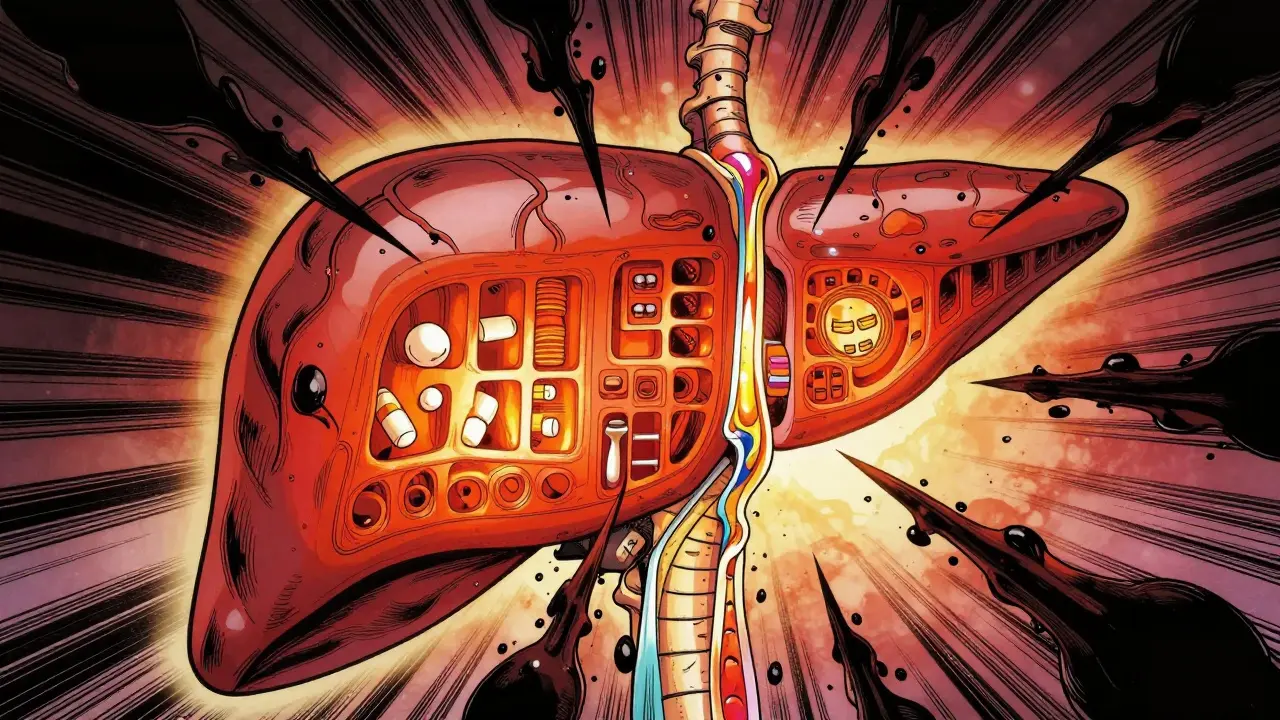
Your liver is the body’s primary filter, processing everything you eat, drink, and swallow. But what happens when the medicine meant to heal you starts hurting this vital organ? This condition is known as Drug-Induced Liver Injury (DILI), a serious but often preventable complication where medications or supplements cause liver damage.
DILI isn't just a rare side effect; it accounts for roughly 10% of all acute hepatitis cases in the United States and is a leading cause of acute liver failure requiring transplantation. The scary part? It can happen to anyone, at any dose, with drugs that have been on the market for decades. Understanding which medications carry the highest risk and knowing how to monitor your liver health can mean the difference between a full recovery and a life-threatening crisis.
Understanding How Drugs Damage the Liver
To understand why certain drugs are dangerous, we need to look at how the liver works. Your liver contains enzymes that break down chemicals so they can be eliminated from the body. Sometimes, this process creates toxic byproducts. In other cases, your immune system mistakenly attacks liver cells because they look like foreign invaders after interacting with a drug.
Medical experts generally classify DILI into two main types:
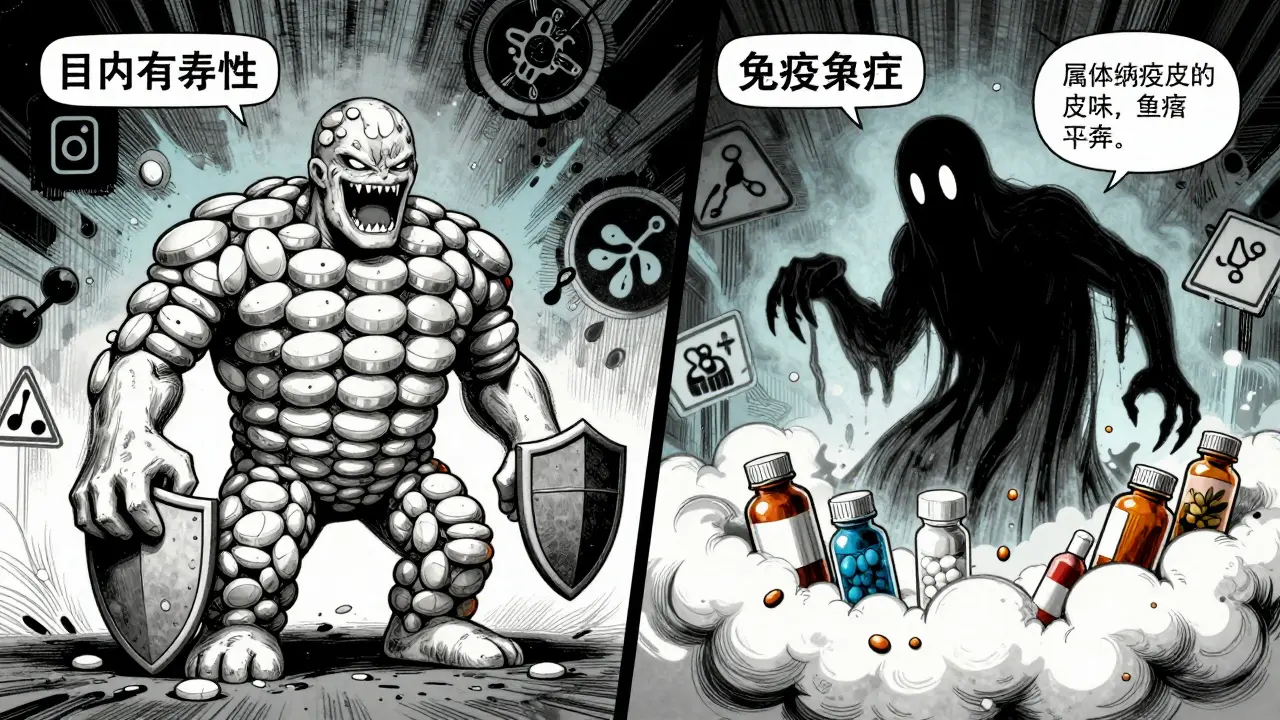
- Intrinsic (Predictable) Toxicity: This type follows a clear dose-response relationship. If you take enough of the drug, almost everyone will experience liver damage. The classic example is Acetaminophen (Tylenol). At therapeutic doses, it's safe. At high doses (usually above 4 grams per day for adults), it overwhelms the liver's ability to neutralize its toxic metabolite, causing severe cell death.
- Idiosyncratic (Unpredictable) Toxicity: This is the more common and frustrating type, accounting for about 75% of DILI cases. It does not depend on the dose. You might take a standard pill for weeks or months without issue, then suddenly develop liver injury. It’s driven by unique genetic factors or immune responses specific to that individual. Antibiotics and antiepileptic drugs often fall into this category.
The unpredictability of idiosyncratic DILI makes it particularly dangerous. As Dr. Paul B. Watkins, a leading expert in drug safety, notes, the liver's role in metabolism creates unique vulnerabilities where these metabolic byproducts can accumulate silently before causing visible damage.
High-Risk Medications: Who Are the Culprits?
Not all medications carry the same level of risk. While any drug can potentially cause liver injury, some classes are significantly more likely to do so than others. Knowing these categories helps you stay vigilant.
| Medication Class | Specific Examples | Type of Risk | Key Notes |
|---|---|---|---|
| Antibiotics | Amoxicillin-clavulanate, Isoniazid | Idiosyncratic | Amoxicillin-clavulanate is the most common cause of idiosyncratic DILI in the US. Isoniazid requires strict monitoring during TB treatment. |
| Pain Relievers | Acetaminophen, NSAIDs | Intrinsic (Acetaminophen) | Acetaminophen causes ~46% of acute liver failure cases in the US due to overdose. NSAIDs carry lower but present risk. |
| Antiepileptics | Valproic acid, Carbamazepine | Idiosyncratic | Valproic acid has a higher fatality rate in severe cases, especially in children under 2 years old. |
| Herbal Supplements | Green tea extract, Kava, Anabolic steroids | Mixed | Supplements now account for ~20% of DILI cases. They are less regulated, making ingredient purity a major concern. |
| Statins | Atorvastatin, Simvastatin | Low Risk | Cause mild enzyme elevations in 0.5-2% of users. Severe injury is extremely rare (<0.002%). |
It is crucial to note that herbal and dietary supplements (HDS) are rising rapidly as a cause of DILI. Many people assume "natural" means "safe," but the liver processes plant compounds just like pharmaceuticals. Products containing green tea extract and kava have been linked to significant liver damage. In fact, HDS-related DILI cases have jumped from 7% in 2004-2009 to 20% in recent years according to data from the Drug-Induced Liver Injury Network (DILIN).
Recognizing the Symptoms of Liver Distress
One of the biggest challenges with DILI is that early stages are often silent. You might feel perfectly fine while your liver enzymes are climbing. However, as the injury progresses, symptoms typically emerge within 1 to 12 weeks of starting a new medication.
Watch out for these warning signs:
- Fatigue and Weakness: Unexplained tiredness that doesn't improve with rest.
- Nausea and Loss of Appetite: Feeling sick to your stomach without an obvious gastrointestinal bug.
- Abdominal Pain: Specifically pain in the upper right quadrant of your abdomen, where the liver sits.
- Jaundice: A yellowing of the skin and the whites of the eyes. This is a late sign indicating significant bilirubin buildup.
- Dark Urine and Pale Stools: Signs that bile flow is being blocked or impaired.
- Itching (Pruritus): Intense, unrelenting itching across the body, often caused by bile salts depositing in the skin.
If you experience jaundice, dark urine, or severe abdominal pain while taking a new medication, seek medical attention immediately. These are not minor side effects; they are red flags for potential liver failure.
Monitoring Protocols: Protecting Your Liver
Prevention is better than cure, and in the case of DILI, monitoring is your best defense. The approach depends heavily on the medication you are taking.
Baseline Testing
Before starting any high-risk medication-such as Isoniazid for tuberculosis or certain antipsychotics-your doctor should order baseline liver function tests (LFTs). This establishes your normal levels for alanine aminotransferase (ALT), aspartate aminotransferase (AST), alkaline phosphatase (ALP), and bilirubin. Without a baseline, it’s harder to determine if a future elevation is drug-related.
Ongoing Surveillance
For drugs with known hepatotoxicity risks, regular blood work is essential. For example, the CDC recommends monthly LFTs for the first three months of Isoniazid therapy. The American Association for the Study of Liver Diseases (AASLD) suggests weekly testing for the first month for very high-risk drugs, then biweekly for months 2-3.
However, routine monitoring isn't always necessary. For statins, for instance, the American College of Gastroenterology states that routine LFT monitoring is not cost-effective because severe liver injury is so rare. Instead, patients are educated to watch for symptoms. This highlights a key principle: monitoring strategies must be tailored to the specific drug's risk profile.
Understanding the Labs
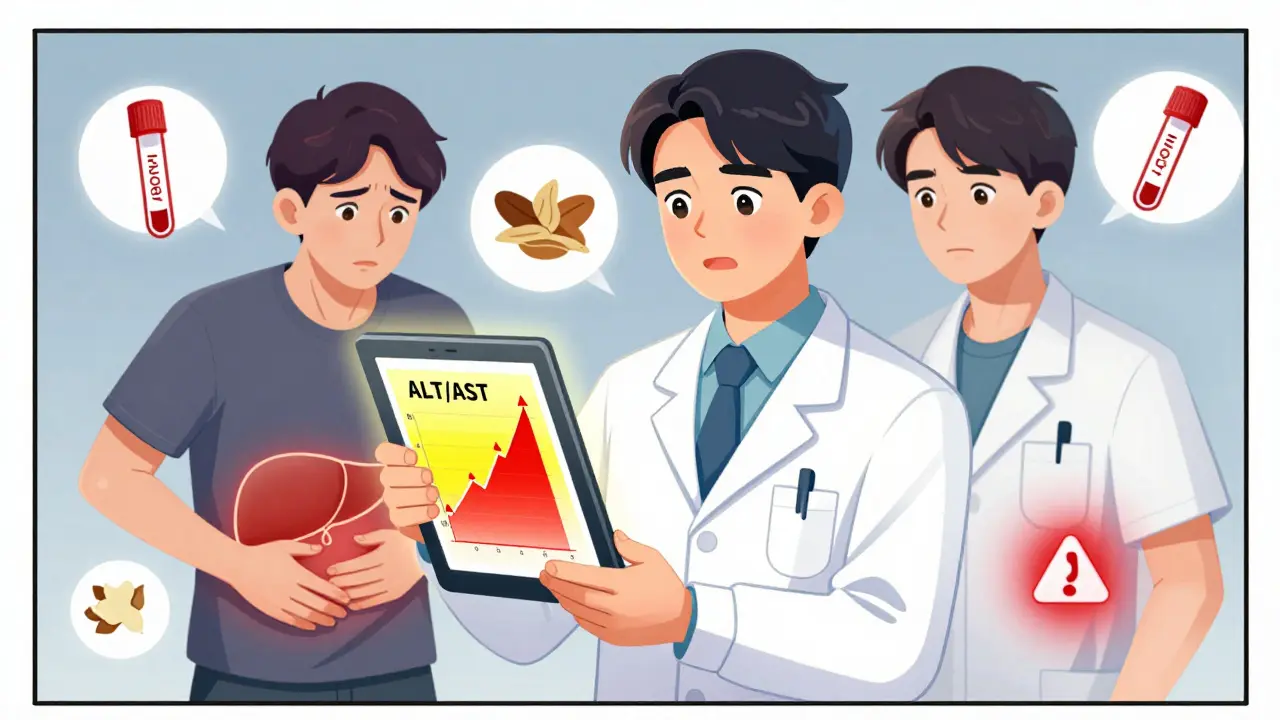
When reviewing your results, doctors look for patterns. A rise in ALT and AST suggests hepatocellular injury (damage to liver cells), typical of acetaminophen toxicity. A rise in ALP and bilirubin suggests cholestatic injury (blockage of bile flow), often seen with antibiotic use. Hy’s Law is a critical clinical rule: if your ALT is more than 3 times the upper limit of normal AND your bilirubin is more than 2 times the upper limit, you have a 10-50% risk of progressing to acute liver failure. This combination demands immediate action.
What Happens When DILI Is Suspected?
If your liver enzymes spike or you show symptoms, the first and most critical step is stopping the offending agent. In approximately 90% of cases, discontinuing the drug leads to improvement in liver enzymes within 1-2 weeks. The liver is remarkably resilient and can regenerate itself if given the chance.
For acetaminophen overdose, time is tissue. The antidote, N-acetylcysteine (NAC), is 100% effective if administered within 8 hours of ingestion. Efficacy drops significantly after 16 hours. This is why emergency rooms have strict protocols for acetaminophen toxicity.
In more complex cases, doctors use causality assessment tools like the RUCAM score (Roussel Uclaf Causality Assessment Method). This scoring system helps distinguish DILI from other causes of liver disease, such as viral hepatitis or autoimmune conditions. A score of 8 or higher indicates "highly probable" DILI. Remember, DILI is often a diagnosis of exclusion, meaning doctors must rule out every other possible cause first.
Reducing Your Risk: Practical Steps
You play an active role in preventing DILI. Here is how to protect yourself:
- Disclose Everything: Tell your doctor and pharmacist about every supplement, herb, and over-the-counter medication you take. Interactions between multiple substances increase liver stress.
- Respect Dosage Limits: Never exceed the recommended dose of acetaminophen. Check labels of cold and flu medicines, as many contain hidden acetaminophen.
- Limit Alcohol: Alcohol induces liver enzymes and depletes glutathione, a protective antioxidant. Combining alcohol with medications like acetaminophen or metformin drastically increases DILI risk.
- Consult a Pharmacist: Pharmacists are medication experts. Studies show that pharmacist-led medication therapy management can reduce DILI incidence by 23% in patients taking multiple drugs.
- Be Skeptical of "Natural" Remedies: Just because a supplement is sold in a health food store doesn't mean it's safe for your liver. Ask your doctor before adding new herbs to your regimen.
Conclusion
Drug-induced liver injury is a serious but manageable risk. By understanding which medications pose the greatest threat, recognizing the subtle early symptoms, and adhering to appropriate monitoring schedules, you can safeguard your liver health. Always maintain open communication with your healthcare providers, and never ignore changes in how you feel while on new medication. Your liver works hard for you; make sure you’re doing your part to keep it healthy.
How long does it take for the liver to recover from DILI?
Recovery time varies based on the severity of the injury and the specific drug involved. For mild cases, liver enzymes may normalize within 1-2 weeks after stopping the medication. Moderate cases typically take 3-6 months to fully resolve. In severe cases leading to chronic injury or cirrhosis, recovery may be incomplete, and some patients may require liver transplantation.
Can I take Tylenol (acetaminophen) if I have liver disease?
Yes, but with strict limitations. For patients with pre-existing liver disease or those who are elderly, the maximum recommended daily dose is often reduced to 2-3 grams instead of the standard 4 grams. Always consult your hepatologist or primary care physician for personalized dosing instructions, as exceeding these limits can lead to rapid liver failure.
Are statins safe for the liver?
Yes, statins are generally considered safe. While they can cause mild, asymptomatic elevations in liver enzymes in 0.5-2% of users, clinically significant liver injury is extremely rare (less than 0.002% of cases). Routine liver monitoring is no longer recommended for all statin users unless symptoms arise or there are other risk factors.
What is Hy's Law and why is it important?
Hy's Law is a clinical predictor used to assess the risk of fatal liver failure. It states that if a patient has elevated ALT or AST levels greater than 3 times the upper limit of normal AND total bilirubin greater than 2 times the upper limit of normal, there is a 10-50% risk of progressing to acute liver failure. This combination signals severe hepatocellular injury and requires immediate medical intervention.
Do herbal supplements really cause liver damage?
Yes, herbal and dietary supplements are a significant and growing cause of DILI, accounting for approximately 20% of cases in the US. Supplements containing green tea extract, kava, and anabolic steroids are particularly implicated. Because supplements are not regulated as strictly as pharmaceuticals, issues with contamination, dosage variability, and undisclosed ingredients add to the risk.

10 Comments
Great info here. Keep your liver safe.
OMG this is so scary!! i mean like literally everyone is taking meds and now im panicking about my green tea lol. why do doctors prescribe poison? its crazy that supplements arent regulated properly, feels like a scam to me honestly. just stop taking everything maybe?
Hey folks, just to add some context from my time in pharma. The statin fear is largely overstated based on the data shown. Most people see transient enzyme bumps that resolve on their own without stopping the drug. The real danger zone is usually polypharmacy where you stack multiple hepatically metabolized drugs. Always check for interactions before adding OTCs to your regimen. It's not about paranoia, it's about pharmacokinetics.
This article is very US-centric and ignores how we manage these issues in India with far fewer resources. We deal with herbal toxicity daily because people trust traditional remedies over science. It is frustrating to see Western medicine blamed while ignoring the lack of regulation in global supplement markets. My patients suffer silently because they cannot afford frequent LFTs. The system fails the poor everywhere but especially here.
interesting read 🧐 most people dont know this stuff only the educated few really understand the nuances of hepatotoxicity 📚💊
I find the discussion on Hy’s Law particularly illuminating; it serves as a crucial clinical benchmark. One must consider that the liver's regenerative capacity is remarkable yet finite. Therefore, vigilance is not merely a medical recommendation but a philosophical imperative for self-preservation. We are responsible for our own biological maintenance.
hey guys! i totally get the worry but lets stay positive! my friend had mild elevation and just stopped the herb and bounced back super fast. its all about listening to your body and trusting the process. you got this! 💪✨
I appreciate the detailed breakdown of intrinsic vs idiosyncratic toxicity. It really helps clarify why some reactions are unpredictable. I've always been cautious with antibiotics due to past experiences. Let's keep sharing knowledge to help each other stay healthy!
Natural does not mean safe. People are fools for thinking otherwise. Science dictates reality not marketing.
Oh my goodness, this is such an important topic that we really need to talk about more often! I was completely unaware that something as simple as green tea extract could potentially cause such serious harm to the liver, which is absolutely shocking when you think about how many people drink it daily for health benefits! It really makes you wonder what else we might be overlooking in our daily routines, doesn't it? I think we should all take a moment to review our current medication lists and perhaps even have a conversation with our healthcare providers about any potential risks associated with the supplements we take regularly, because prevention is definitely better than cure in this case! Let's spread the word and help our friends and family stay informed and safe!
Write a comment