

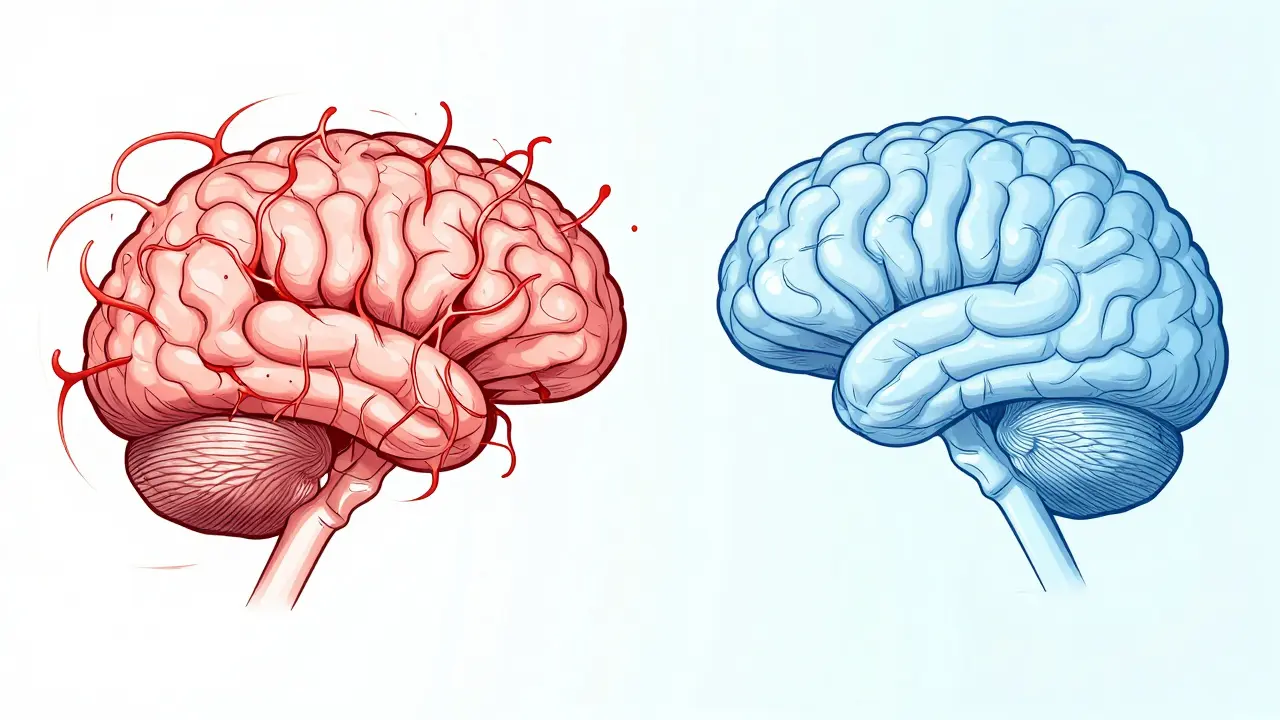
Stopping a medication after long-term use can feel like a daunting mountain to climb, especially when it comes to Benzodiazepines. Whether you are taking them for anxiety, panic attacks, or sleep issues, these drugs change how your brain processes calming signals. If you stop them suddenly, your nervous system can go into overdrive, leading to severe reactions. The goal of benzodiazepine tapering isn't just to get off a pill; it's to slowly retrain your brain to function without the drug while keeping you safe and stable.
Trying to "white knuckle" your way through withdrawal is dangerous. For some, abrupt discontinuation can lead to seizures or psychosis. The key is a slow, methodical reduction-a process that gives your body time to adjust. By following a structured plan, you can minimize the physical and emotional turmoil and reclaim your cognitive clarity.
The Core Principles of a Safe Taper
A safe taper is never a one-size-fits-all schedule. It is a flexible process that prioritizes your safety over a calendar date. The gold standard for tapering is a patient-centered approach where the speed of the reduction is based on how you actually feel, not just a preset list of dates.
According to the Joint Clinical Practice Guideline, a common starting point is reducing the total daily dose by 5-10% every two to four weeks. This slow pace prevents the "crash" associated with faster drops. If you start feeling overwhelming anxiety or tremors, the rule of thumb is to hold your current dose until you stabilize-don't go back up, but don't go down until you're ready.
It is also critical to have a dedicated support system. This usually means one single prescriber and one pharmacy. Using multiple doctors or pharmacies increases the risk of dosing errors and makes it harder for your medical team to track your progress accurately.
Understanding Taper Durations Based on Use
How long you've been taking the medication heavily influences how long the taper should last. Your brain develops a level of physical dependence that requires a corresponding amount of time to undo. For example, someone who used a medication for a few weeks will have a very different journey than someone who has been on it for years.
Based on guidelines from the Oregon Health Authority, here is how the duration typically breaks down:
| Duration of Use | Minimum Taper Length |
|---|---|
| 2 to 8 weeks | At least 2 weeks |
| 8 weeks to 6 months | At least 4 weeks |
| 6 months to 1 year | At least 8 weeks |
| Over 1 year | 6 to 18 months |
While these numbers provide a roadmap, remember that the "long-term" group (those using for over a year) often requires the most patience. Some people may need a taper lasting nearly two years to avoid severe rebound anxiety.
Different Tapering Strategies: Which One Fits?
There are three main technical ways to handle the reduction process. Depending on which medication you are taking-like Alprazolam (Xanax) or Diazepam (Valium)-your doctor might choose a different path.
- Direct Taper: You stay on your current medication and simply lower the dose. This works well for long-acting drugs but can be tricky with short-acting ones because the "come down" between doses is too sharp.
- The Switch (Substitution): You slowly cross-taper from a short-acting drug to a long-acting equivalent. Diazepam is often the gold standard here because it has a very long half-life, meaning it leaves the body slowly and smoothly. For instance, 1mg of Alprazolam is roughly equivalent to 20mg of Diazepam.
- Adjunctive Therapy: This involves using other medications or therapies to cushion the blow. This isn't about replacing one drug with another, but using tools to manage the insomnia or tremors that pop up during the process.
Managing the Psychological Hurdle
The physical symptoms are only half the battle. Many people experience "anticipatory anxiety"-the fear of the withdrawal itself. You might find yourself thinking, "What if I can't sleep?" or "What if I have a panic attack?" This fear can actually mimic withdrawal symptoms, making you feel like the taper is failing when you're actually just anxious.
This is where Cognitive Behavioral Therapy (CBT) becomes a game-changer. Research shows that combining medical tapering with CBT increases the success rate of discontinuation from around 42% to over 68%. Instead of relying on a pill to stop a panic attack, CBT teaches you how to breathe through it and challenge the thoughts that trigger the panic.
Developing new coping skills is essential. If the medication was your only tool for managing stress, you'll feel exposed without it. Learning mindfulness, improving sleep hygiene, and establishing a strict daily routine provide a safety net that the medication used to provide.
Who Should Prioritize Tapering?
While most people eventually want to stop long-term use, some groups face significantly higher risks. For older adults, the danger isn't just withdrawal-it's the drug itself. According to the Beers Criteria, benzodiazepines are often inappropriate for seniors because they drastically increase the risk of falls and cognitive impairment, which can lead to permanent injury.
Other high-priority groups include:
- People with a history of substance use disorders, as the risk of switching addictions is higher.
- Individuals with traumatic brain injuries or existing cognitive disorders.
- Patients dealing with PTSD, where long-term use can actually interfere with the effectiveness of evidence-based treatments.

Red Flags and When to Slow Down
Tapering is not a race. If you hit a wall, it's okay to pause. You should keep a detailed log of your symptoms after every dose reduction. Watch for these specific red flags:
- Perceptual Disturbances: Seeing or hearing things that aren't there.
- Severe Tremors: Uncontrollable shaking in the hands or limbs.
- Extreme Insomnia: Going multiple days without any sleep.
- Rebound Anxiety: Anxiety that is significantly worse than what you had before you started the medication.
If these symptoms appear, it usually means the taper is moving too fast. The solution is typically to hold the current dose-not increase it-until the symptoms settle, then attempt a smaller percentage reduction (perhaps 2% or 5% instead of 10%).
Can I just stop taking my medication cold turkey?
No. Stopping benzodiazepines abruptly after daily use for more than a month is dangerous. It carries a 20-40% risk of severe withdrawal symptoms, including life-threatening seizures and psychosis. Always taper under medical supervision.
What is the best drug to switch to for a taper?
Diazepam is frequently used because of its long half-life and predictable metabolism, which helps smooth out the withdrawal process. However, your doctor will decide based on your specific medical history.
How do I know if my taper is going too fast?
If you experience significant increases in anxiety, tremors, or total insomnia after a dose drop, you may be tapering too quickly. The standard advice is to stabilize at your current dose before attempting another reduction.
Do all benzodiazepines require a taper?
Not all of them. For example, Triazolam has a very short half-life (about 2 hours) and typically does not cause the same level of physical dependence, meaning it can often be stopped without a long taper. Always check with your doctor.
What is the success rate of tapering with therapy?
Integrating Cognitive Behavioral Therapy (CBT) with a medical taper significantly improves outcomes. Some data suggests success rates jump from about 42% with medication alone to over 68% when therapy is included.
Next Steps for Your Journey
If you're ready to start, your first move should be a comprehensive honest conversation with your doctor. Share your full drug and alcohol history and any other health conditions you're managing. Ask them for a written taper schedule so you have a clear map to follow.
For those struggling with the emotional side, look for a therapist specializing in CBT or a peer-support group. Talking to others who have successfully navigated a benzo taper can reduce the fear and isolation that often lead to relapse. Remember, the goal is a healthy brain, and that requires patience, flexibility, and a very slow pace.

7 Comments
Just take it slow and breathe, you got this! 👊
It is interesting how our minds create this loop of fear around the process itself. The biological dependence is one thing, but the psychological dread is a different beast entirely. We often forget that the brain is plastic and can actually heal, provided we give it the patience and grace it needs to rewire. It is a journey of returning to oneself, not just a medical checklist.
Omg yes!! The part about CBT is so incredibly important!! 🌟 I cannot even stress enough how much of a difference it makes to have those tools in your pocket when the panic hits! It's like finally having a map in a dark forest! You are all so strong for doing this! ✨💖🔥
I really appreciate the emphasis on the 5-10% rule... it feels so much more manageable when you break it down like that!!! It's all about those tiny wins... isn't it?? Just staying steady and not rushing the process is everything!!!
I must say that the comprehensive nature of this guide is quite remarkable, especially since so many practitioners today seem to rush patients off these medications without any regard for the systemic shock to the central nervous system, which is a travesty given the historical data we have on seizures and the long-term cognitive fog that persists when a taper is botched. I remember a colleague who tried to go cold turkey after three years of use and the resulting crisis was absolutely catastrophic, involving a level of delirium that would make anyone shudder, and it just goes to show that the architectural integrity of our neural pathways requires a slow, deliberate rebuilding process rather than a sudden demolition. It's an absolute necessity to have a doctor who actually listens and doesn't just glance at a chart for thirty seconds before prescribing a generic timeline that doesn't account for individual metabolic differences or the sheer tenacity of the addiction.
The failure of the medical community to properly regulate the prescription of these substances is a systemic disgrace. It is an absolute moral imperative that patients are educated on the dangers of dependence before the first pill is ever dispensed, rather than leaving them to discover these harrowing guides only after they have become prisoners to a chemical substance.
That part about the Beers Criteria is a real wake-up call. It's absolutely wild how often these are handed out to seniors who end up in a heap because of a dizzy spell. We need to stop treating these like candy and start treating them like the heavy-duty neurological tools they are. If you're in the thick of it right now, just keep grinding and don't let the brain fog win!
Write a comment